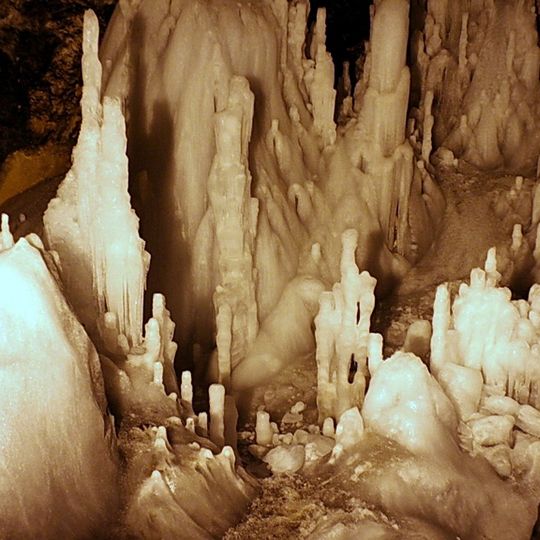
Scărișoara Cave, Show cave in Gârda de Sus, Romania
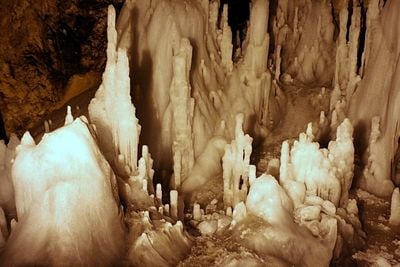
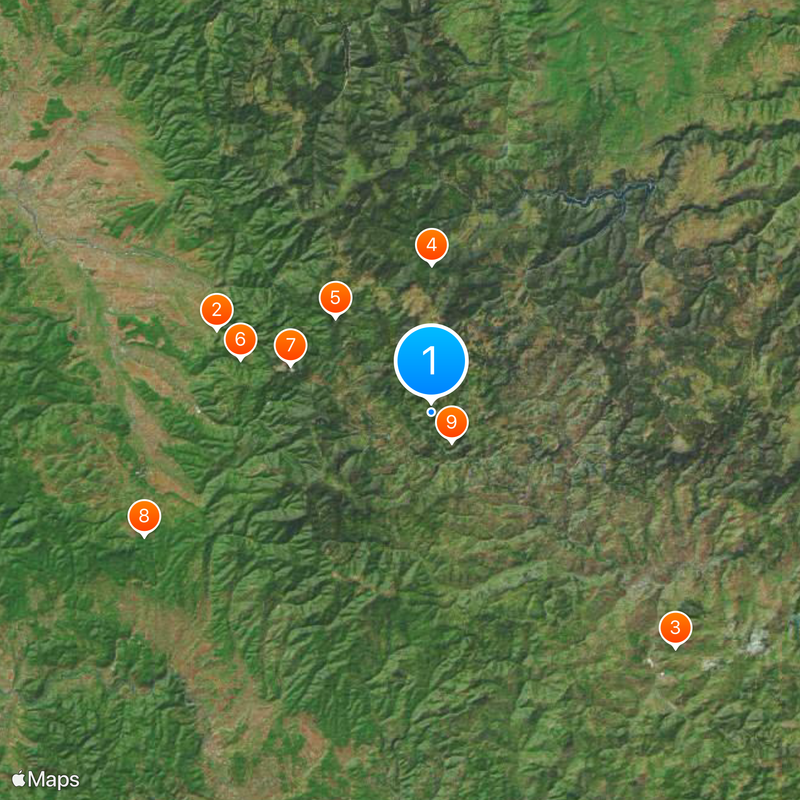
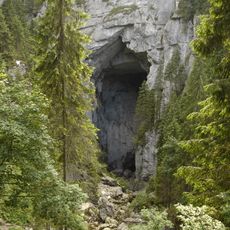
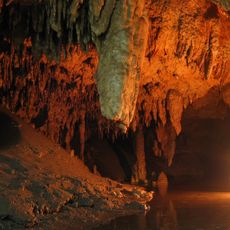
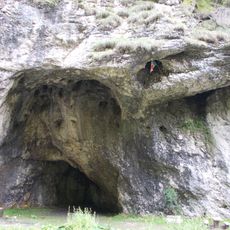
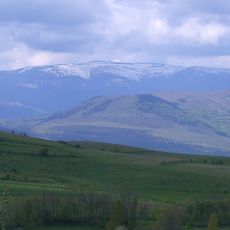
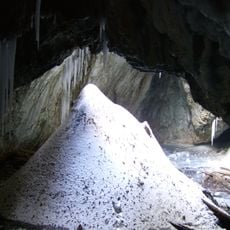
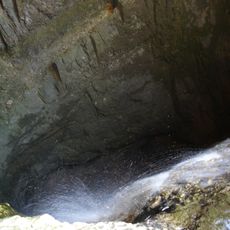
Scărișoara Cave sits in the western part of the Apuseni Mountains and extends 720 meters with a depth of 105 meters. The Great Hall inside holds a massive body of ice that spreads across several levels and can be reached through a wooden staircase built for visitors.
An Austrian geographer named Arnold Schmidl mapped the cave in 1863 and created the first scientific record after its discovery in 1847. His work brought the underground ice system to the attention of researchers and the wider public.
Families in the region once climbed down with wooden ladders to gather ice blocks during warm months and keep their food fresh. This practice shows how closely mountain communities relied on natural resources for everyday needs.
The interior stays near freezing all year round, so bring warm layers and wear shoes with good grip. The wooden steps can become slippery with moisture, so move carefully when descending into the main chamber.
The Great Hall holds an ice formation 18 meters tall that contains about 75,000 cubic meters of frozen water. Scientists estimate that parts of this ice are over 3,500 years old, making it one of the oldest glacier remnants in Europe.
The community of curious travelers
AroundUs brings together thousands of curated places, local tips, and hidden gems, enriched daily by 91,359 contributors worldwide.