Roșia Montană, Historic mining site in Alba County, Romania
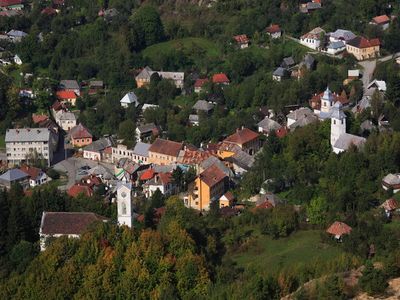
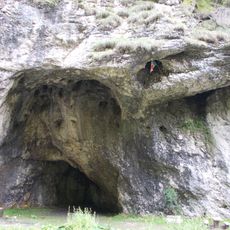
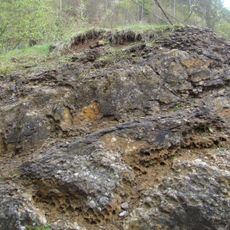
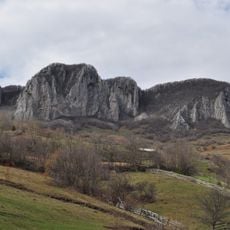
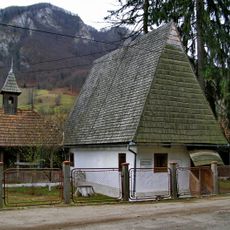
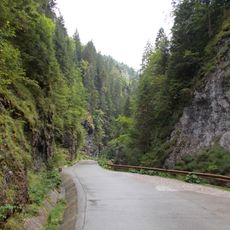
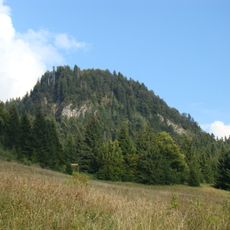
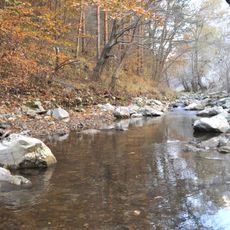
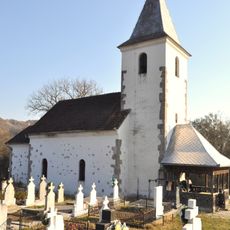
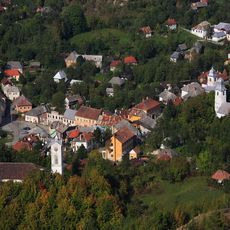
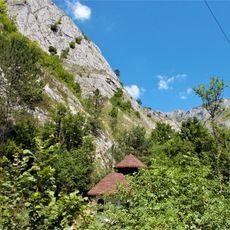
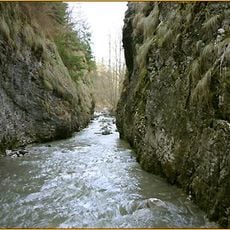
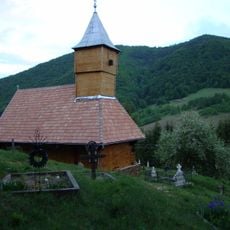
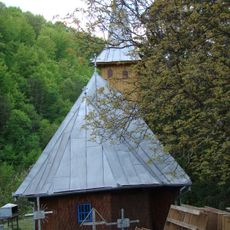
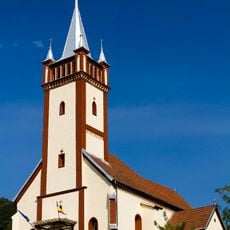
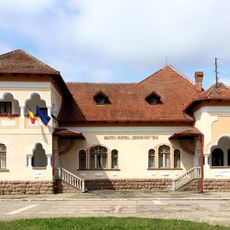
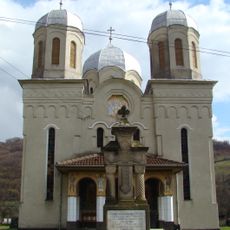
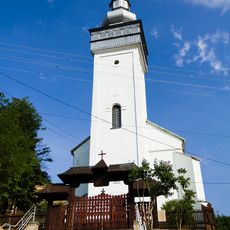
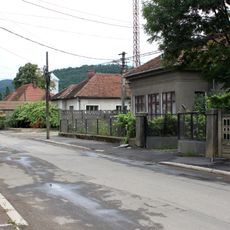
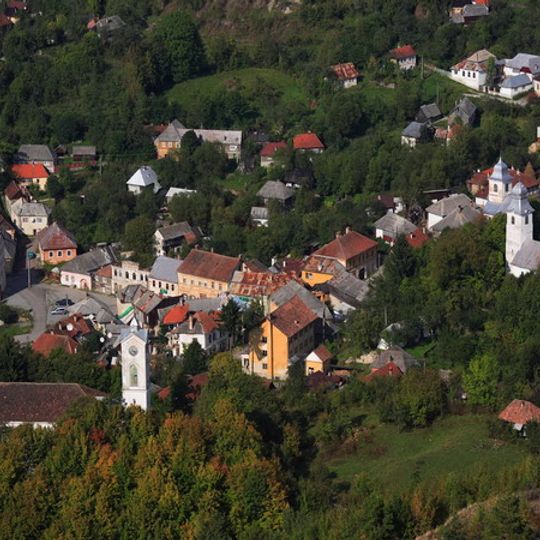
Roșia Montană is a mining commune in the Carpathian foothills, spread across sloping terrain with visible openings to old tunnels and surface workings. Residential buildings and processing structures sit among forested slopes and cleared extraction areas.
The Romans began gold extraction in the 2nd century and created underground systems so effective that mining continued under Ottoman and later Habsburg rule. Operations halted in the 20th century, and the site is now protected for its archaeological value.
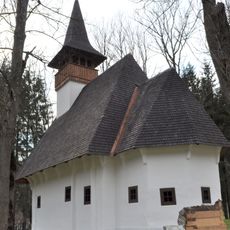
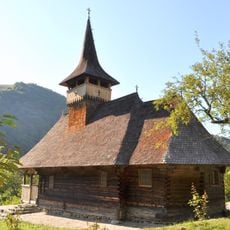
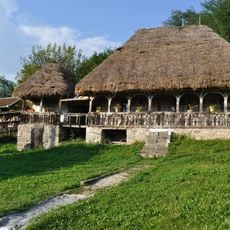
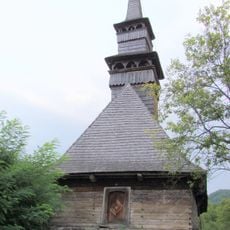
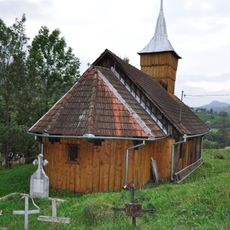
The community has maintained building methods and work practices passed down through generations, reflecting how people earned their livelihood from the land. The visible craftsmanship, settlement patterns, and remnants of labor demonstrate the daily rhythms and knowledge that shaped life here.
Access to underground areas requires local guides who know the layout and safety; wear weather-resistant clothing and sturdy shoes for the uneven passages. The location sits at higher elevation, so allow time for adjustment to the altitude.
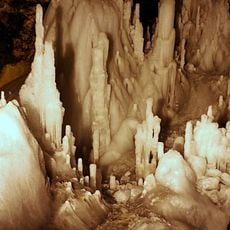
Within the tunnels lie preserved wooden supports and specialized drainage systems from Roman times, showing how miners managed water flow. Some original tools and marks left by workers remain visible, offering direct insight into ancient mining craft.
The community of curious travelers
AroundUs brings together thousands of curated places, local tips, and hidden gems, enriched daily by 90,790 contributors worldwide.