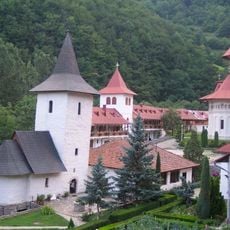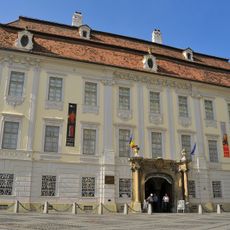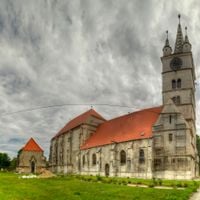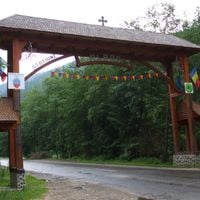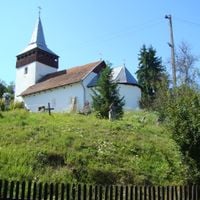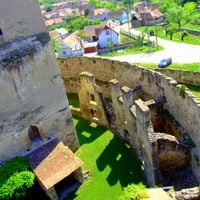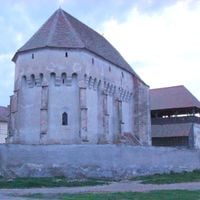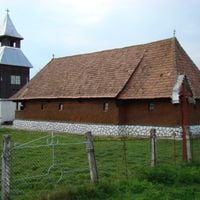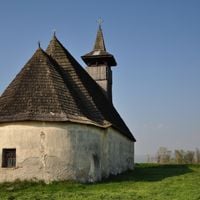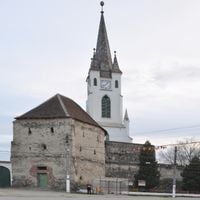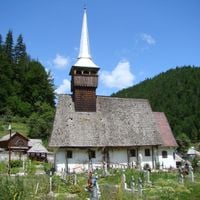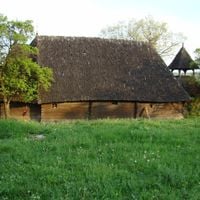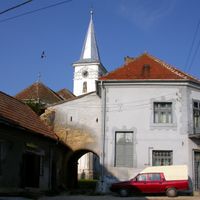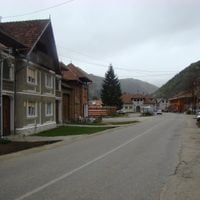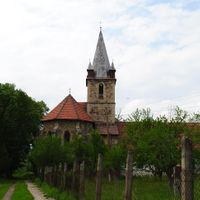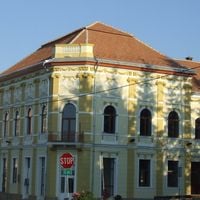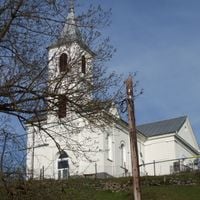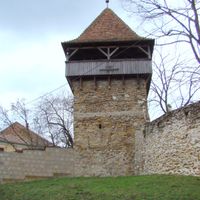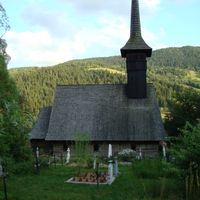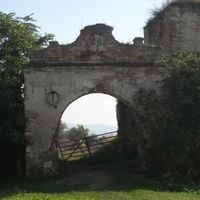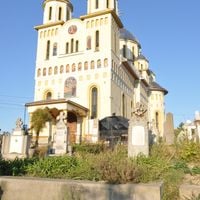
Alba County, Administrative division in western Romania
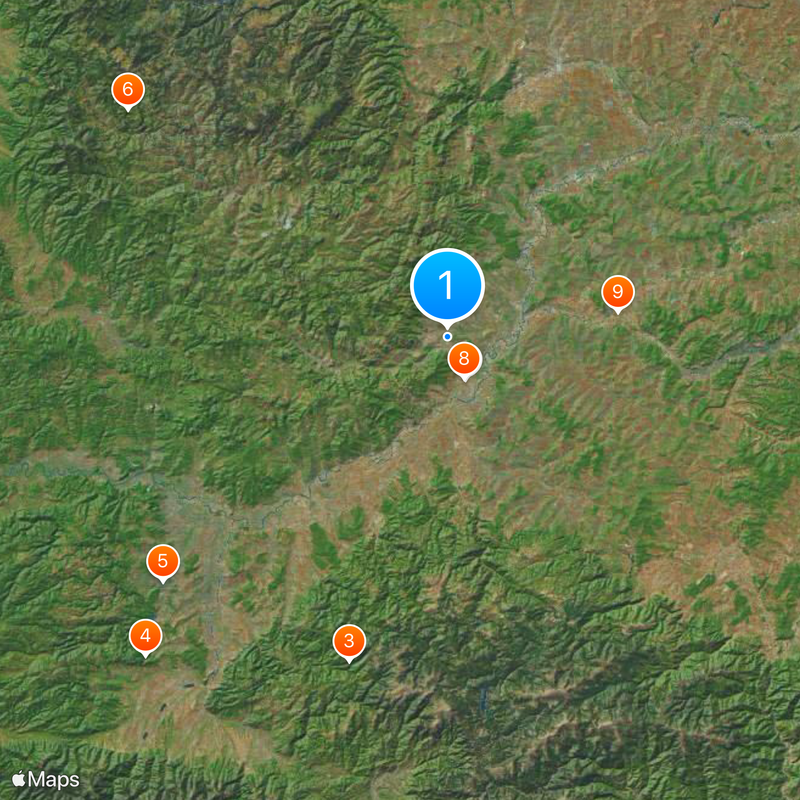
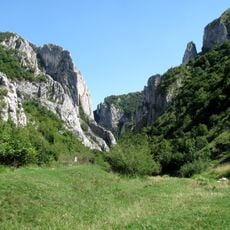
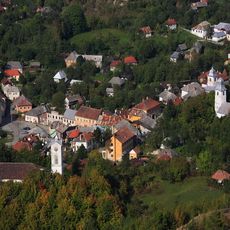
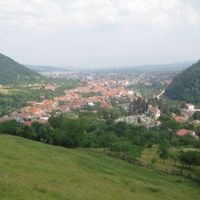
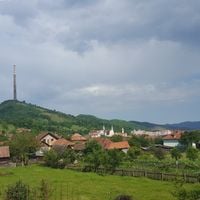
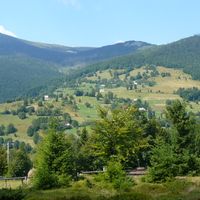
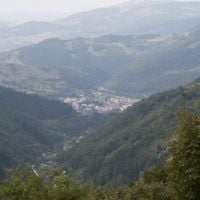
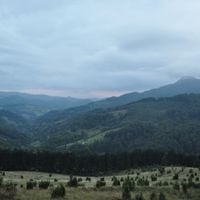
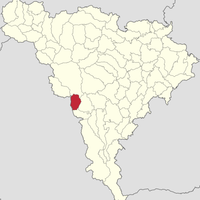
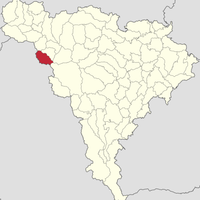
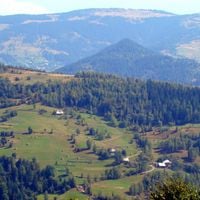
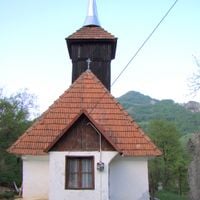
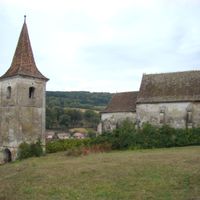
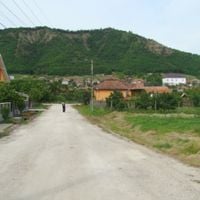
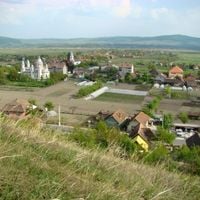
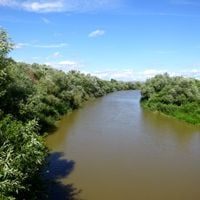
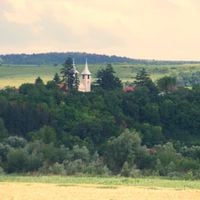
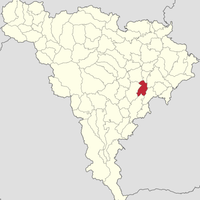
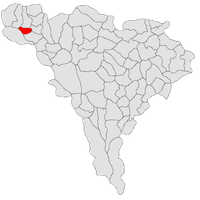
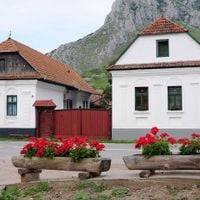
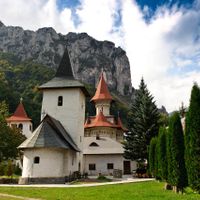
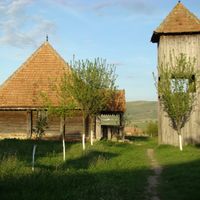
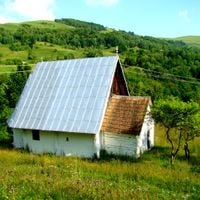
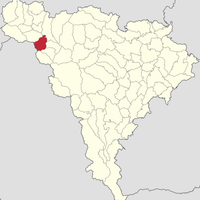
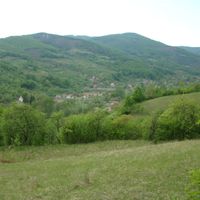
Alba County is an administrative region in western Romania that spans diverse landscapes, including mountains, valleys, and plains crossed by the Mureș River and its tributaries. The area is organized into 4 municipalities, 7 towns, and 67 communes connected by a network of roads and railways.
The region was restructured in 1925 from the former Alba de Jos County, marking a significant change in Romanian administrative organization. This reorganization affected local governance and the area's territorial boundaries.
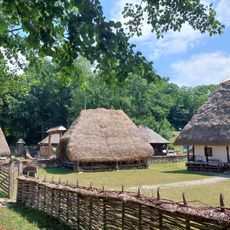
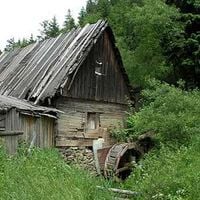
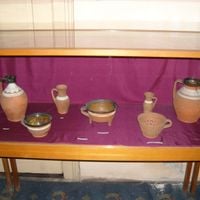
The region maintains strong local craft traditions, particularly in pottery and textile production, still practiced in smaller villages today. Visitors can observe these handmade skills in traditional workshops and at local markets where artisans sell their work.
The region is well-connected through a dense network of roads and railways that follow the river corridors and link the various settlements. Visitors should note that infrastructure in more rural areas may be simpler, so planning ahead is worthwhile.
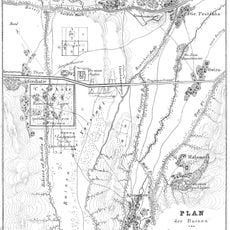
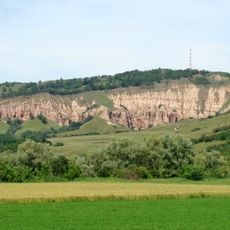
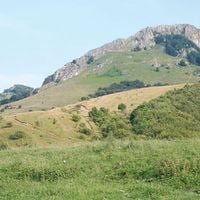
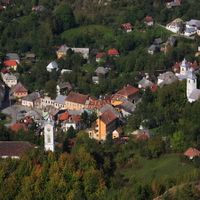
The Roșia Montană mountain holds traces of ancient Roman mining galleries where gold extraction methods from two millennia remain visible in the landscape. These archaeological remains show the continuity of economic activity across the centuries.
The community of curious travelers
AroundUs brings together thousands of curated places, local tips, and hidden gems, enriched daily by 92,317 contributors worldwide.