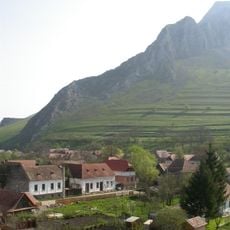
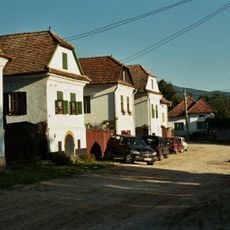
Trascău Fortress, Medieval castle ruin in Colțești, Romania.
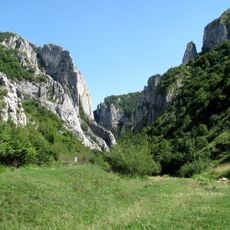
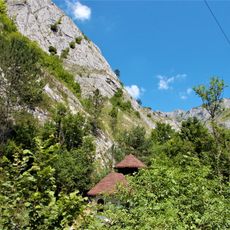
Trascău Fortress stands on a limestone klippe west of Colțești, built around 1296 by vice-voivode Thorotzkay as a residence and refuge after the Mongol invasion of 1241. Today a large part of the circuit walls and the two side towers remain, including the northern tower about 20 meters high.
The fortress was built in the 13th century by Count Thoroczkay following the Tartar invasion of 1241 and served as both a residence and defensive shelter. It played a key role in securing the region against future attacks.
The northern tower displays an inscription showing the Thoroczkay family built this fortress and held considerable power in the valley for generations. Visitors can see how central this family was to the area's identity.
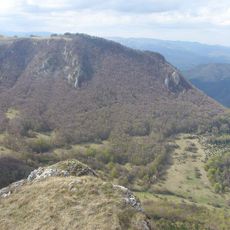
The fortress stands west of Colțești village, about 5 km south-west of Rimetea, on the abrupt top of a limestone klippe. The surviving walls and two side towers are reached on foot; the northern tower rises about 20 m. The site is listed as monument AB-II-m-A-00208.
Archaeological research uncovered three distinct construction phases, including a five-level northern tower with storage chambers and specialized defense mechanisms. This layered building method reveals how residents adapted and reinforced the structure over time.
The community of curious travelers
AroundUs brings together thousands of curated places, local tips, and hidden gems, enriched daily by 93,681 contributors worldwide.