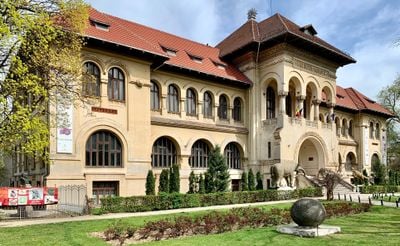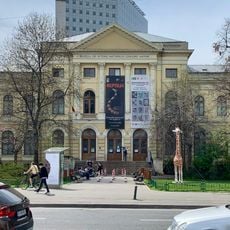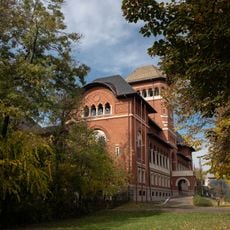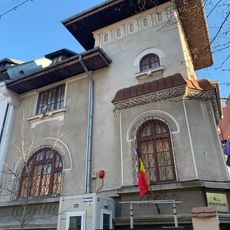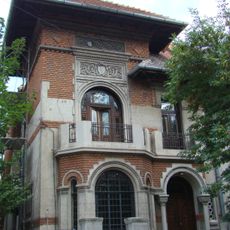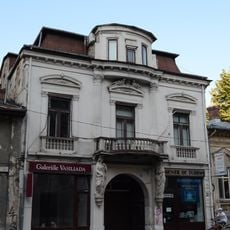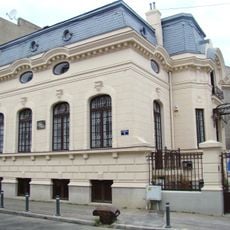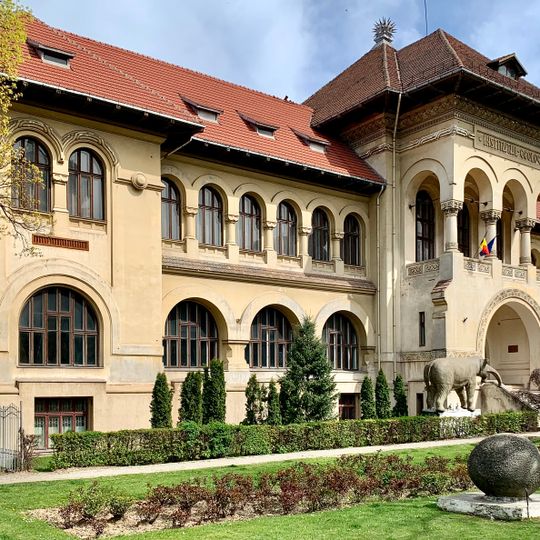
National Geological Museum, Geological museum in Victory Square district, Bucharest, Romania.
The National Geological Museum is a natural history museum in Bucharest's Victory Square district that houses over 80,000 specimens of rocks, minerals, and fossils. The collections provide a comprehensive view of Romania's geological structure and show the different layers that shape the country.
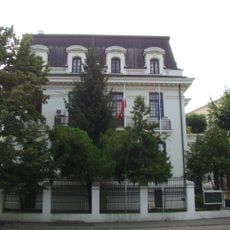
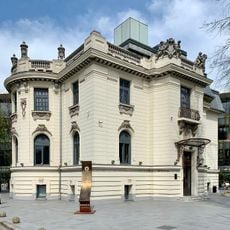
The museum was completed in 1907 by architect Victor Stefanescu and originally served as the headquarters of Romania's Geological Institute. Its founding was part of the country's effort to modernize its scientific institutions during the national development period.
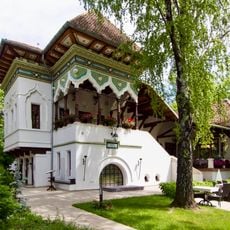
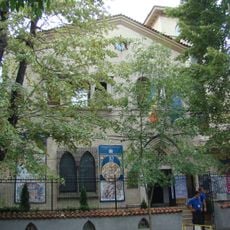
The building displays architectural elements from Romania's national movement of the early 20th century. The rooms show the design preferences of that era, which visitors can still observe in the details.
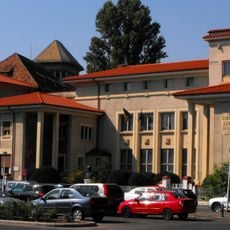
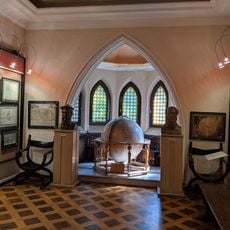
The museum is easily reached by tram or local transport and sits in a central location in Bucharest. The exhibitions are arranged in well-lit rooms, making it pleasant to view the minerals and fossils.
The nearby Politehnica Metro Station contains visible fossils in its marble flooring from about 80 million years ago. This hidden connection links the modern city to its deepest geological past.
The community of curious travelers
AroundUs brings together thousands of curated places, local tips, and hidden gems, enriched daily by 91,362 contributors worldwide.