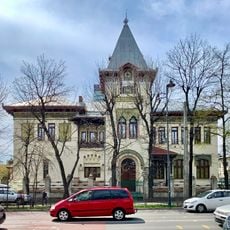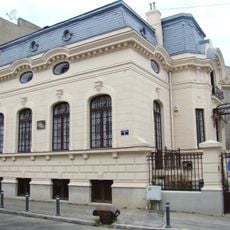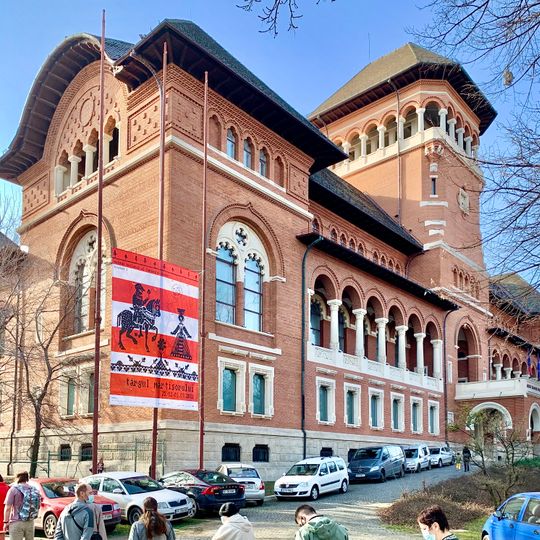
Romanian Peasant Museum, Ethnographic museum near Piața Victoriei, Bucharest, Romania.
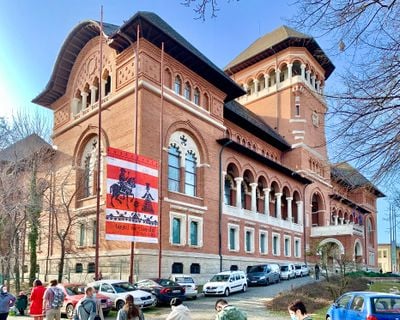
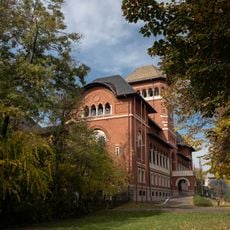
The Romanian Peasant Museum is an ethnographic museum located near Piața Victoriei in central Bucharest. It holds a broad collection of objects from rural Romanian life, including textiles, ceramics, religious items, and household goods from different regions of the country.
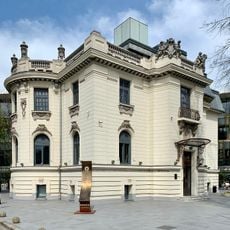
The museum was founded in 1906 by Alexandru Tzigara-Samurcaș. Its Neo-Romanian building, designed by Nicolae Ghica-Budești, was built between 1912 and 1941 on the former site of the State Mint. From 1953 the building housed the Lenin-Stalin Museum, then the Party Museum; the peasant museum reopened there on 5 February 1990 under Horia Bernea.
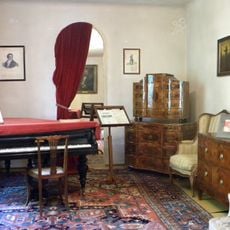
The rooms are filled with traditional clothing, hand-woven textiles, and pottery from different parts of Romania, each reflecting the habits and tastes of a particular region. Walking through the galleries, visitors can see how rural communities expressed their daily life through the objects they made and used.
The museum is easy to reach on foot from central Bucharest and sits close to several public transport stops. Plan to spend a good amount of time inside, as the collection covers many rooms across multiple floors.
The basement of the museum holds a collection of objects from the Communist era that were left behind when the building changed hands after 1990. This section offers a jarring contrast with the rural objects displayed on the upper floors, telling two very different stories under the same roof.
The community of curious travelers
AroundUs brings together thousands of curated places, local tips, and hidden gems, enriched daily by 94,638 contributors worldwide.