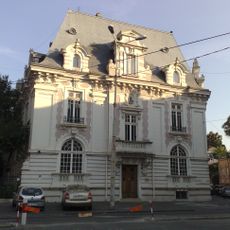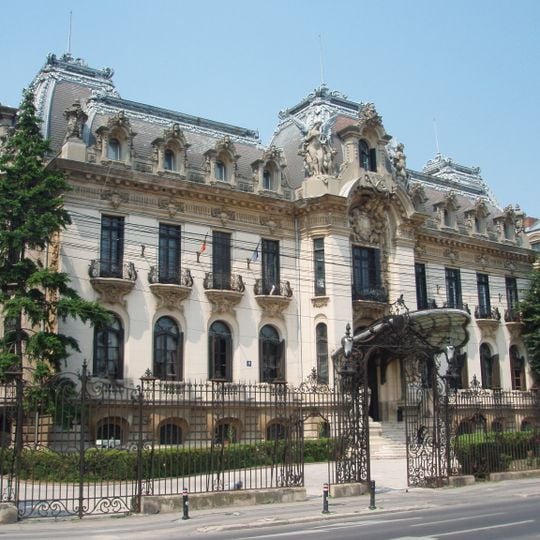
Cantacuzino palace, Palace on Victory Avenue in Bucharest, Romania
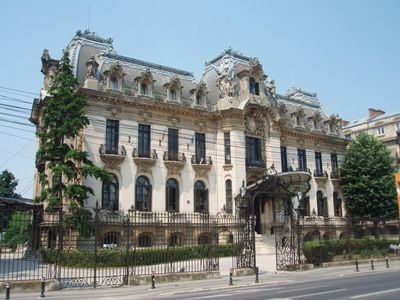
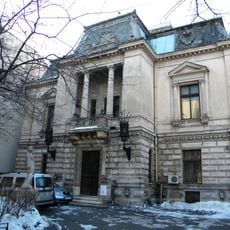
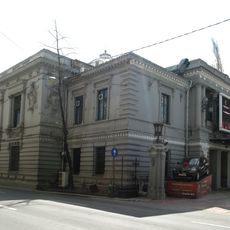
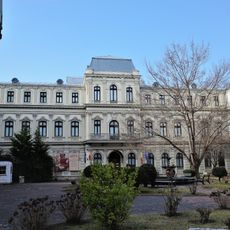
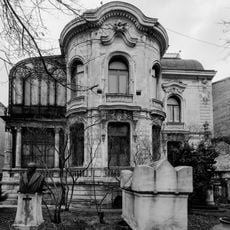
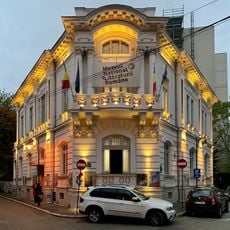
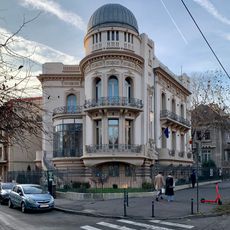
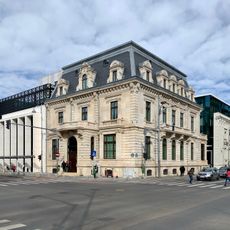
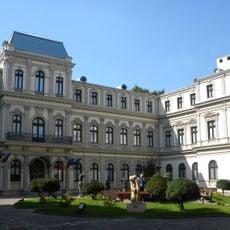
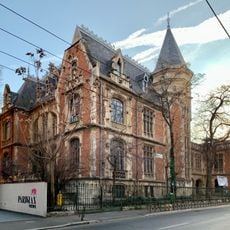
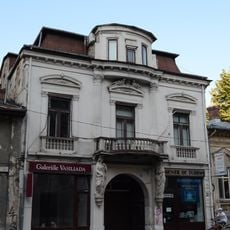
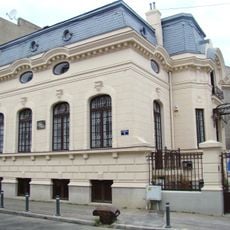
The Cantacuzino Palace is a Beaux-Arts building with detailed stone carvings, two stone lions at the entrance, and wrought iron gates forming the entry. The structure displays the ornamental style typical of this French-influenced architectural approach with careful decoration across its facade.
The palace was constructed between 1901 and 1903 for Prime Minister Gheorghe Cantacuzino and later served as the Council of Ministers headquarters during World War II. This role as a major political center shaped the building's significance during that period.
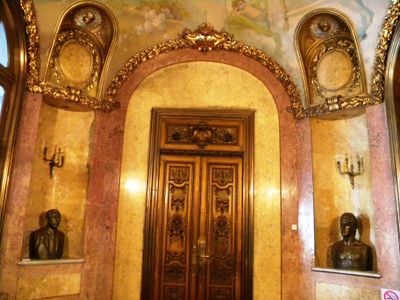
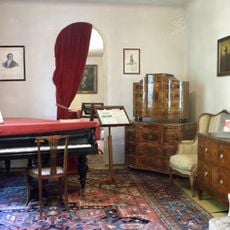
The building houses the George Enescu National Museum, displaying the composer's manuscripts, photographs, and personal objects from his life and career. Visitors can experience how this important artist lived and worked through these collections.
The building houses three exhibition halls focused on Romanian music history, with guided tours available in multiple languages throughout the week. Visitors should check current opening times beforehand to plan adequate time for exploring the different exhibition areas.
The building witnessed the signing of the Treaty of Bucharest in 1913, which ended the Second Balkan War between Romania and Bulgaria. This diplomatic event made the location an important site in the region's peace history.
The community of curious travelers
AroundUs brings together thousands of curated places, local tips, and hidden gems, enriched daily by 92,081 contributors worldwide.