Frederic and Cecilia Cuțescu-Storck Art Museum, Art museum and historic monument in Bucharest, Romania.
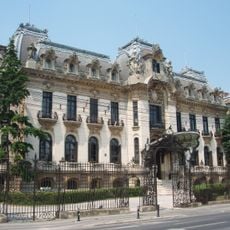
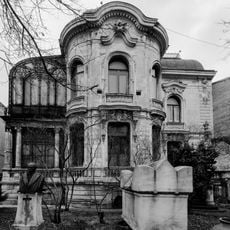
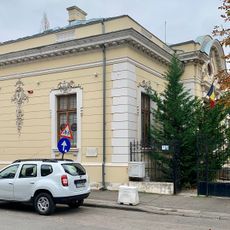
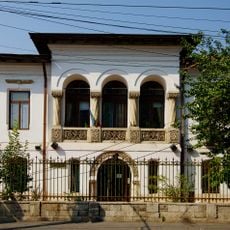
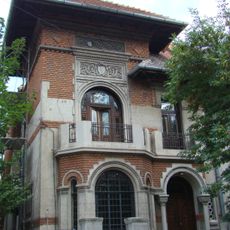
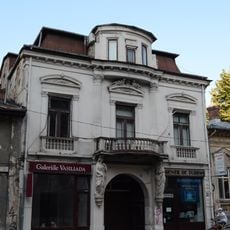
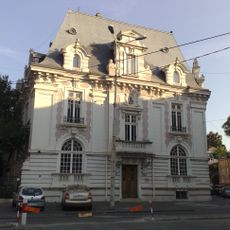
The Frederic and Cecilia Cuțescu-Storck Art Museum occupies the house at Vasile Alecsandri Street 16, built 1911–1913 by architect Alexandru Clavel in an Anglo-Flemish style with exposed beams and Pompeian-red walls. Frederic Storck placed the facade decoration himself: two Romanesque-inspired bas-reliefs and, under the cornice, a frieze with his central profile flanked by winged lions and linked female figures.
The house on Vasile Alecsandri Street was built in 1911–1913 by architect Alexandru Clavel, inspired by Germanic architecture, with Frederic Storck designing the facade decorations himself. In 1948 the collection was declared of public utility, and in 1951 the artists' studios opened permanently as a museum while the family kept the living quarters. The works were largely donated by Cecilia Cuțescu-Storck and her daughters Gabriela and Cecilia (Lita) Storck Botez.
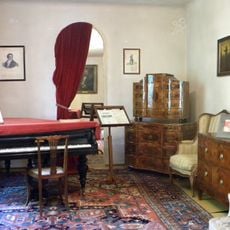
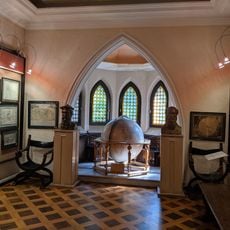
The house served as both a home and working studio for artists who created and collected works here. The rooms show how an artistic family lived and worked, with personal belongings displayed alongside their creations.
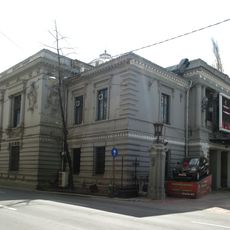
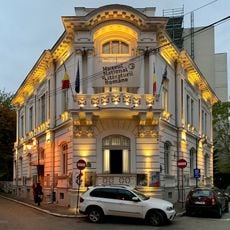
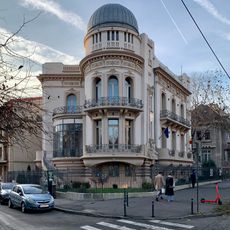
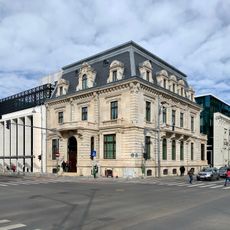
The museum is at Vasile Alecsandri Street no. 16, in central Bucharest. The house was built between 1911 and 1913, and the museum opened in 1951. Visitors should check opening times before going, as the house is now owned by the Botez brothers and lent to the Bucharest Municipality Museum.
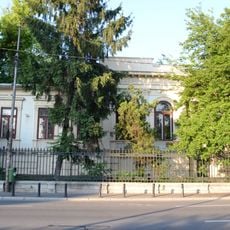
Two "Măști Hilare" masks made by Karl Storck in 1852 for the façade of the National Theatre in Bucharest lie on the lawn beside the house; the theatre was destroyed in the Second World War. Fragments of the University Palace pediment, carved by Karl Storck with Waibel and Paul Focșeneanu and destroyed in the American air raids of 4 April 1944, are also kept here.
The community of curious travelers
AroundUs brings together thousands of curated places, local tips, and hidden gems, enriched daily by 94,574 contributors worldwide.