Ostrov Monastery, Orthodox monastery on an island in Călimănești, Romania
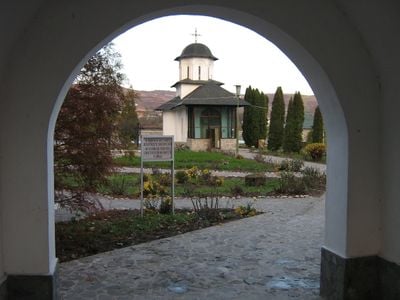
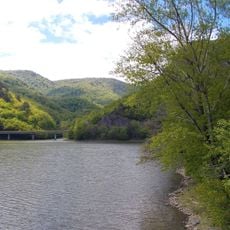
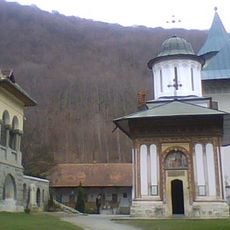
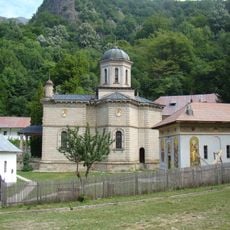
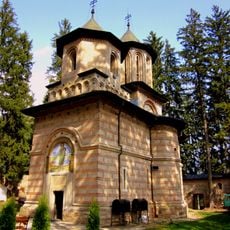
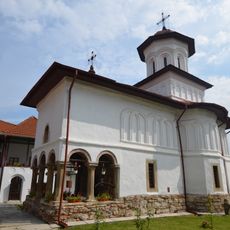
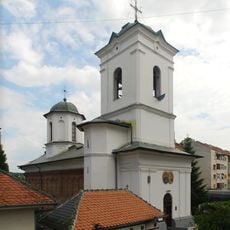
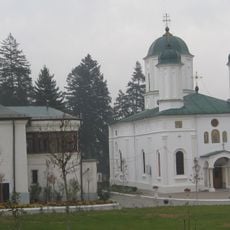
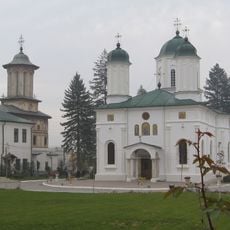
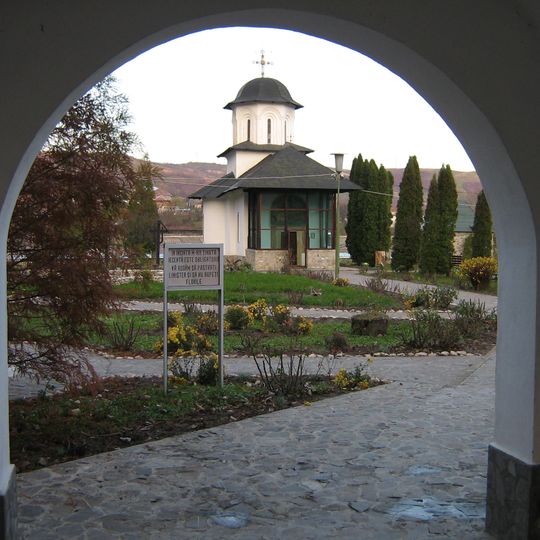
Ostrov Monastery is a historic monument on an island in the Olt River, in Vâlcea County, Romania. A pedestrian bridge links the island to the mainland, and the grounds around the church form a small park with trees, shrubs, and roses.
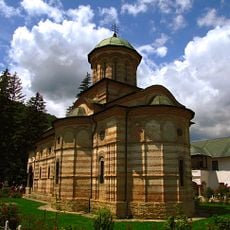
A first religious site on this spot dates to the 14th century, and the current church was built in 1520 by Wallachian ruler Neagoe Basarab and his wife Despina. The building replaced the earlier structure and became one of the notable religious foundations of that period in the region.
The monastery is a regular stop for visitors staying at the nearby Călimănești-Căciulata resort, who often cross the bridge on foot as part of an afternoon walk. The mix of religious space and open greenery makes it feel like both a spiritual place and a garden to wander through.
The island is reached by a pedestrian bridge that is open year-round and easy to cross on foot. Paths on the island can be uneven in places, so sturdy shoes are a good idea, especially after rain.
When a hydroelectric plant was built on the Olt River in the mid-20th century, the rising water level threatened to flood the island. To prevent this, the church and the island itself were raised by about 6 meters, a rare engineering decision made specifically to protect a religious site.
The community of curious travelers
AroundUs brings together thousands of curated places, local tips, and hidden gems, enriched daily by 91,358 contributors worldwide.