Vâlcea Village Museum, Ethnographic museum in Râmnicu Vâlcea, Romania.
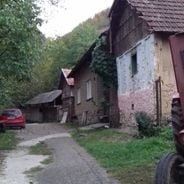
The Vâlcea Village Museum is an ethnographic collection of buildings and objects from traditional Romanian rural communities. The site includes residential areas, religious structures, craft workshops, and functional facilities such as mills that display how people lived and worked in the countryside.
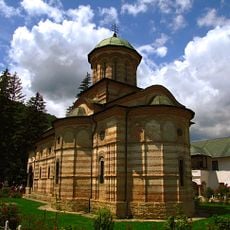
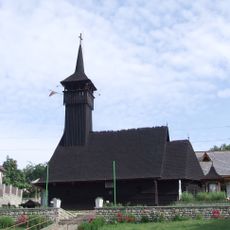
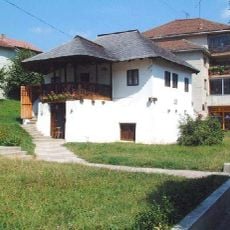
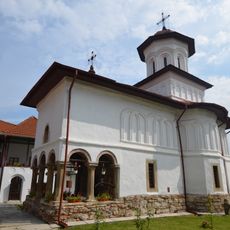
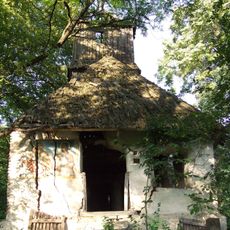
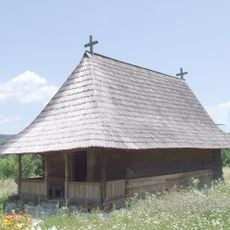
Founded in 1969 and opened to the public in 1974, the museum occupies 8 hectares on the border between Râmnicu Vâlcea and Bujoreni. Its oldest structure is the wooden St. Nicholas Church from Anghelești-Cărpiniș, dated 1655 and moved here in 2009. The Cula Bujorenilor, a fortified manor with an external staircase, was built around 1810 by Preda Bujoreanu.
The museum shows how rural people lived and worked, with workshops and homes that reflect their daily habits and skills. Visitors can observe how craftspeople practiced their trades and what objects were essential to their lives.
The museum lies near Drum național 7, on the border between Râmnicu Vâlcea and Bujoreni, across 8 hectares. It is closed on Mondays year-round; summer hours (April–October) run 10:00–18:00 and winter hours (November–March) 09:00–17:00. The grounds are divided into sections: farmsteads, public buildings, crafts, and buildings from village edges and the mountains.
The museum preserves household items and furnishings that show how families arranged their spaces and which objects mattered in their everyday lives. These personal belongings help visitors understand how people actually lived, not just in theory, but through the things they owned and used daily.
The community of curious travelers
AroundUs brings together thousands of curated places, local tips, and hidden gems, enriched daily by 94,549 contributors worldwide.