Užice, Medieval fortress city in Western Serbia
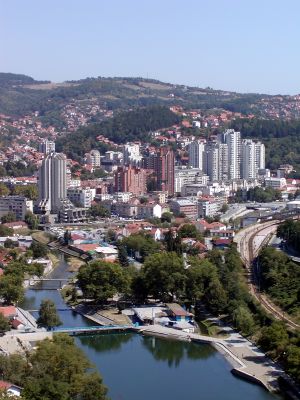
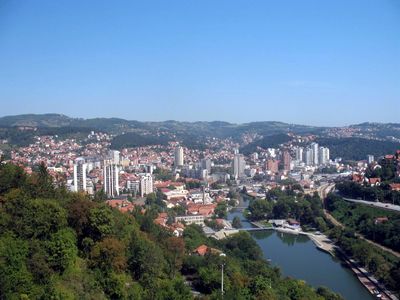
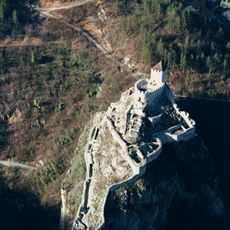
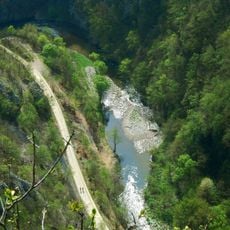
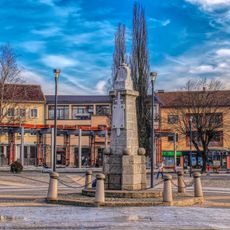
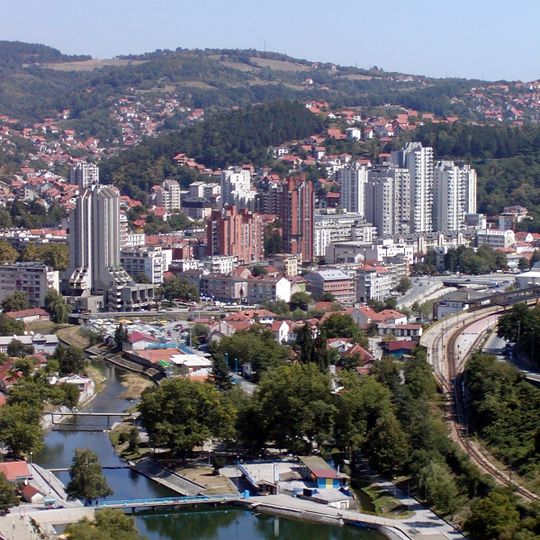
Užice is a city in western Serbia that spreads along the Đetinja River, with buildings clustered near the water and the remains of a fortress on a nearby hill. The downtown area contains shops, cafés, and public squares where both residents and visitors spend their time.
The settlement started as a Roman administrative center in the 2nd century and later became an important trading post under Ottoman rule for the entire region. The appearance and character of the place changed significantly when new buildings and infrastructure were added in the 19th and 20th centuries.
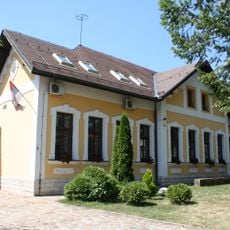
Local artists and theater groups regularly perform throughout the city, drawing visitors from surrounding towns to see performances and exhibitions. The museums display items and artworks that show how people in this region have lived across different periods.
Visitors can arrive by train from Belgrade in about three hours or by bus from surrounding villages and towns. The city is small and easy to explore on foot, with most attractions located near the river.
In 1900, the first hydroelectric power plant in Serbia was built here, paving the way for industrial growth across the region. This early energy project made the city a pioneer for technical advancement in a largely rural country at the time.
The community of curious travelers
AroundUs brings together thousands of curated places, local tips, and hidden gems, enriched daily by 91,851 contributors worldwide.