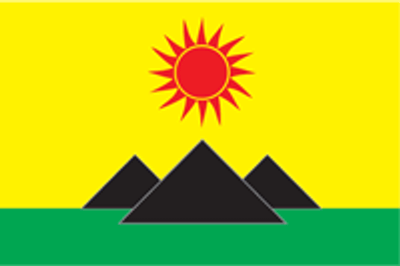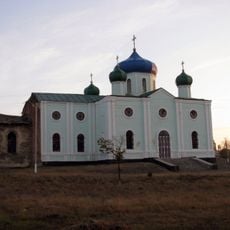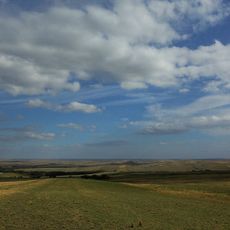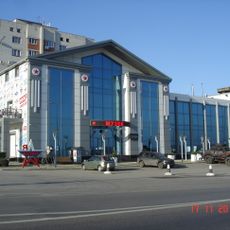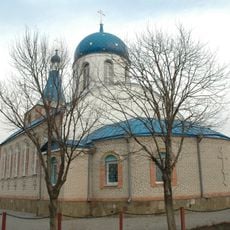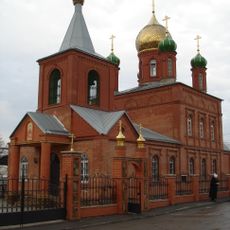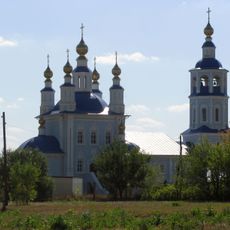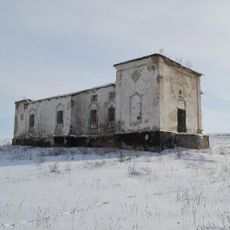
Zverevo, human settlement in Rostov Oblast, Russia
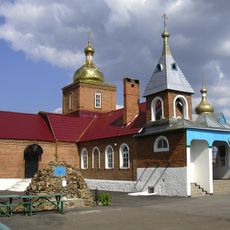
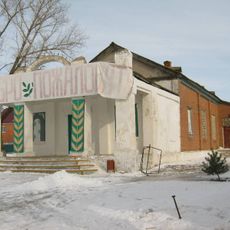
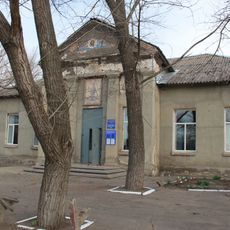
Zverevo is a small town in southern Russia that grew along a railway line connecting it to larger nearby cities. It has a straightforward layout with residential streets, local shops, a modest central park with benches and a children's playground, and simple early 20th-century buildings mixed with more recent structures.
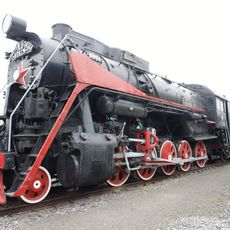
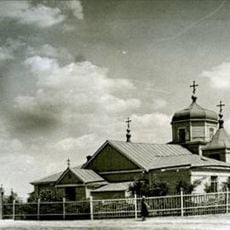
The town emerged in the late 19th century from a mining settlement around a railway station that received a new building in 1894. It became a workers' settlement in 1929 and was occupied by German forces for seven months during World War Two, being liberated in February 1943.
The town's name comes from a 19th-century estate that gave its name to the railway station. It reflects the life of a mining community where residents gather at markets and local events to share handcrafted goods and regional traditions.
The town is easy to explore on foot with local shops scattered throughout the streets for everyday needs. A railway station provides connections to larger cities, and a nearby highway offers access to other regions.
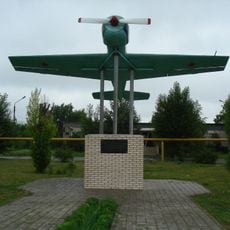
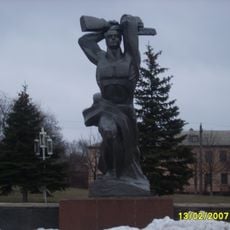
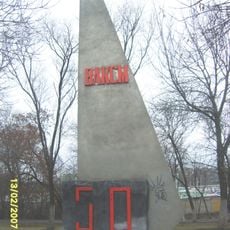
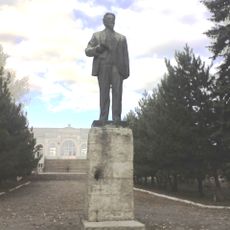
The town was a center of railway worker unrest during the 1905-1907 period when strikes involved local workers. It holds several monuments honoring fallen soldiers and miners, including one dedicated to Ivan Dokukin, a Soviet war hero whose name appears on one of the main streets.
The community of curious travelers
AroundUs brings together thousands of curated places, local tips, and hidden gems, enriched daily by 90,761 contributors worldwide.