Kostyonki, Voronezh Oblast, human settlement in Khokholsky District, Voronezh Oblast, Russia
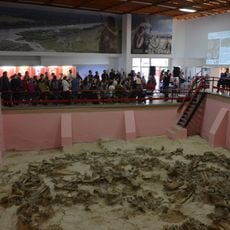
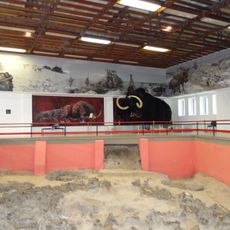
Kostyonki is a small village on the Don River surrounded by flat fields and simple houses. More than 60 archaeological sites spread across the area contain stone tools, animal remains, and the foundations of ancient dwellings built from mammoth bones dating back over 40,000 years.
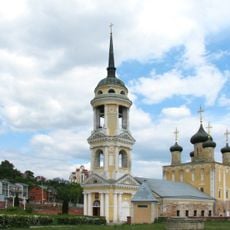
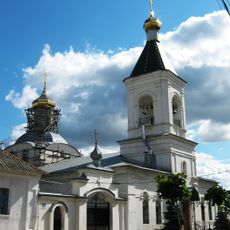
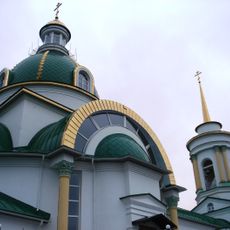
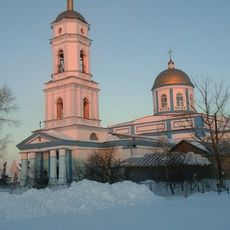
The oldest finds at the site date to the early Upper Paleolithic period, more than 45,000 years ago, when early humans first reached Europe. In the 17th century, a wooden fortress was built on the riverbank, followed by a church dedicated to John the Baptist, establishing the village as an active settlement in regional history.
The name Kostyonki comes from the Russian word for bone, reflecting the countless remains discovered here over centuries. The village maintains this connection to its ancient past through how locals treat the land and protect the scattered archaeological sites woven throughout the fields.
The village is remote and best reached by local transport, allowing for a quiet arrival experience. The archaeological sites are walkable through the fields, so suitable footwear and weather protection are advisable, especially given the area's exposure to all four seasons.
Bones discovered here caught the attention of Peter the Great in the 17th century, spurring the first scientific excavations in the region. Some of the oldest human remains show South Asian features, suggesting that ancient people from different origins gathered at this location thousands of years ago.
The community of curious travelers
AroundUs brings together thousands of curated places, local tips, and hidden gems, enriched daily by 90,814 contributors worldwide.