Kattegat, Strait between Denmark and Sweden, North Sea
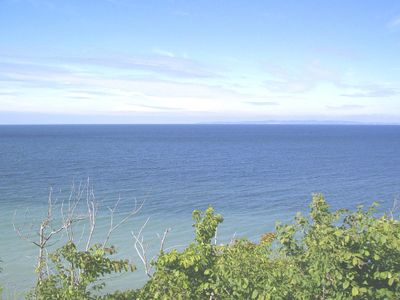
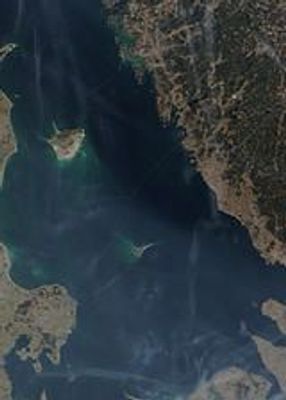
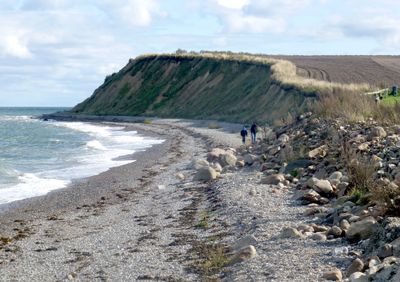
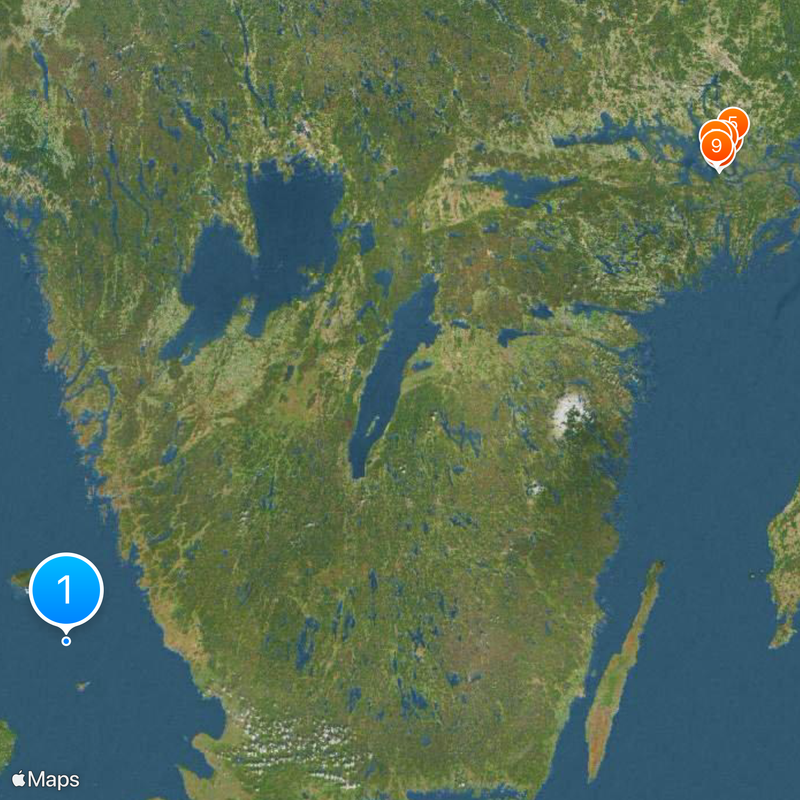
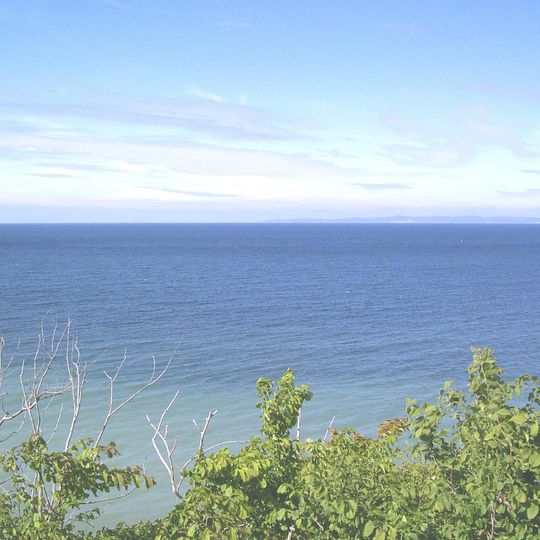
The Kattegat is a strait that separates Denmark from Sweden and forms the transition between the Baltic Sea and the North Sea. This waterway stretches from the Jutland peninsula in the west to the Swedish provinces of Bohuslän, Västergötland, Halland and Scania in the east, encompassing numerous islands and shallow waters.
For centuries, this strait served as the only sea route for ships traveling between the Baltic Sea and the world oceans. Trade through the Kattegat brought prosperity to both coastal nations and shaped the maritime traditions still visible today.
Small fishing villages along both Danish and Swedish shores maintain traditional methods used for generations to catch herring and other fish. Local communities hold summer festivals featuring freshly prepared seafood, where visitors can experience the close bond between people and the sea.
Travelers crossing by ferry between Danish and Swedish ports pass through these waters and can observe the low islands and open sea around them. Navigation here depends on marked channels and lighthouses, as many areas contain reefs and shallow sections.
The water forms two separate layers with different salt content, the upper layer being less salty than the deeper one. This separation occurs because freshwater flowing from the Baltic Sea sits above the saltier water entering from the North Sea.
The community of curious travelers
AroundUs brings together thousands of curated places, local tips, and hidden gems, enriched daily by 91,998 contributors worldwide.