Oljekvarnen, Djurgården, Historic windmill in Djurgården, Sweden.
Oljekvarnen is a five-story windmill in Djurgården with a rotating copper-clad cap designed to capture wind for grinding operations. The structure follows Dutch building techniques and was specifically built to produce linseed oil and animal feed.
The mill was built in 1784 by master builder Johan Diderick Lundholm on the initiative of merchant Carl Magnus Fris, who had bought Waldemarsudde in 1782. Linseed oil production ended in the 1830s, and the wings were removed in the 1870s or 1880s. In 1899 the Djurgården administration wanted to demolish it, but Prince Eugen prevented this; a 1923 survey by architect Ferdinand Boberg revealed its industrial-historical value.
The mill's name simply describes its function: pressing linseed into oil. The leftover press cake was fed to army horses, and a rasping works attached to the mill ground pigment for paint. Prince Eugen painted the wingless mill repeatedly; it stands beside his art museum on Waldemarsudde.
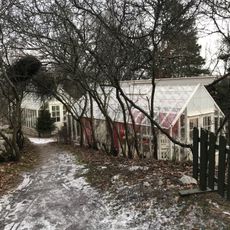
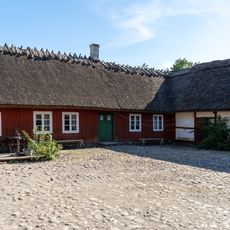
The mill stands on the Waldemarsudde peninsula south of Prins Eugen's art museum, reached on foot through Djurgården's park paths. Below it are the falun-red coachman's house and, at the water, the orangery with its large windows. The wings are gone, so the copper-clad five-storey tower is seen from outside only.
This is one of just five remaining windmills of this specific Dutch design worldwide, and original inscriptions from the builder are still visible inside the entrance. These markings connect visitors directly to the craftsman who constructed it more than two centuries ago.
The community of curious travelers
AroundUs brings together thousands of curated places, local tips, and hidden gems, enriched daily by 94,172 contributors worldwide.