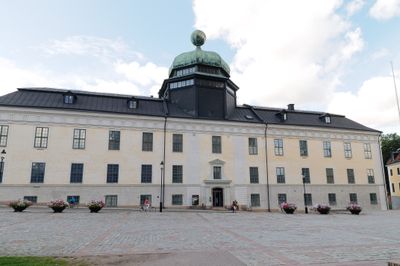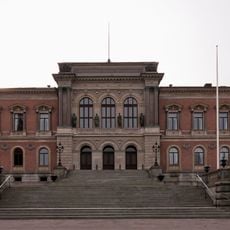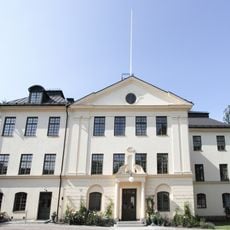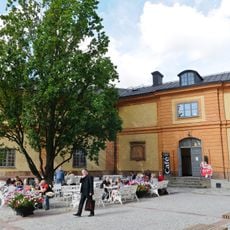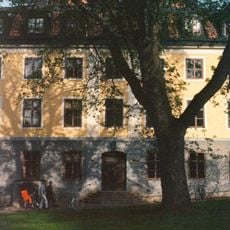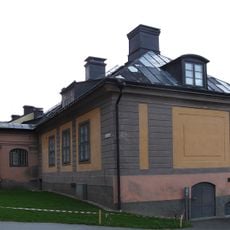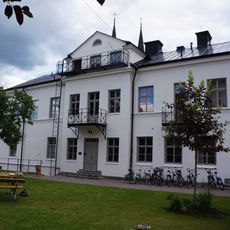
Gustavianum, University museum in Uppsala, Sweden
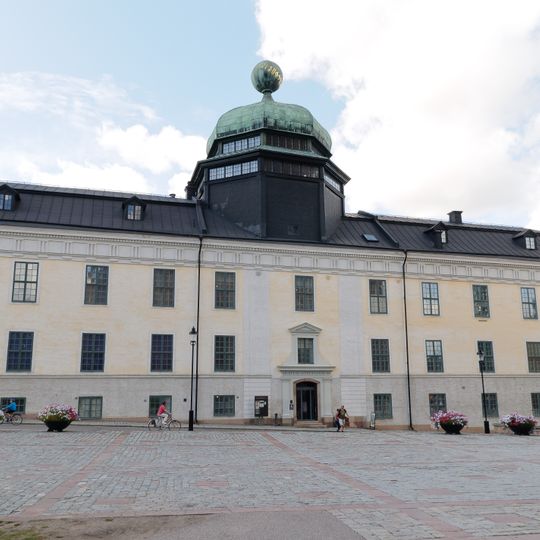
The Gustavianum is a historic museum building in Uppsala built from 1622 to 1625 and long served as the university's main seat. It features a distinctive octagonal cupola housing an anatomical theatre and now displays collections of artworks and scientific artifacts.
The building was constructed in the 1620s during a period of growth at the university and served as its academic center for over 250 years. In the late 1800s, university activities moved to other locations, after which the building was converted into a museum.
The building served as the university's intellectual heart and now displays collections from the Mediterranean and Nordic regions gathered by generations of scholars. These objects reveal the scientific interests and knowledge exchange that took place within these walls.
Admission is affordable and the building is open most days, with extended hours during summer months. Visitors should wear comfortable shoes, as climbing stairs to reach the cupola area is part of the experience.
The anatomical hall within the cupola was originally a working teaching space where doctors instructed trainee surgeons during medical demonstrations. Today visitors can see the concentric wooden rows that allowed observers to watch these educational sessions.
The community of curious travelers
AroundUs brings together thousands of curated places, local tips, and hidden gems, enriched daily by 91,705 contributors worldwide.