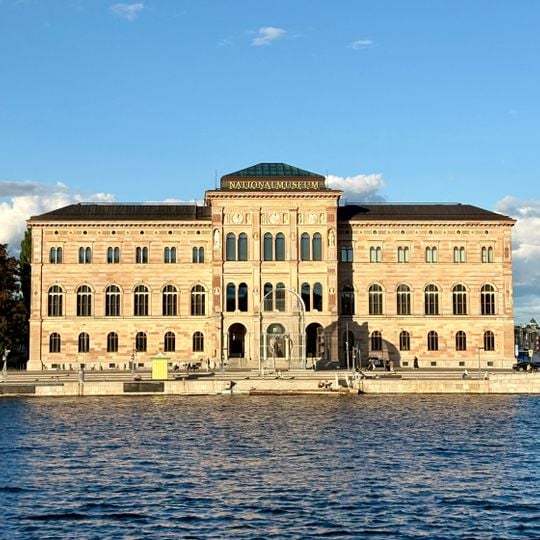
Nationalmuseum, Art museum on Blasieholmen peninsula, Stockholm, Sweden
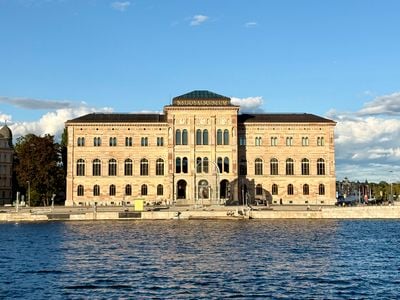
Nationalmuseum is an art museum on the Blasieholmen peninsula in Stockholm, Sweden. The Renaissance-style building holds paintings, sculptures, and craft objects from five centuries of European art history.
The institution began as the Royal Museum in 1792 after King Gustav III acquired Queen Lovisa Ulrika's collection. The move to the present building took place in 1866, giving the royal art treasures a permanent public home.
The name joins nation and museum, as this place safeguards Swedish and European art treasures now open to everyone. Visitors see paintings, sculptures, and craft objects inside that reveal how people lived and what they valued in past centuries.
The museum opens Tuesday through Sunday, with longer hours on Thursday. Visitors find the building on a small peninsula near the city center, reachable on foot or by public transport.
The building was designed by Friedrich August Stüler, the German architect behind Berlin's Neues Museum, while the Swedish architect Fredrik Wilhelm Scholander handled the interiors. The large glass sections of the facade were manufactured in a German factory. In its early years the exhibition halls were unheated, so visitors kept their coats on.
The community of curious travelers
AroundUs brings together thousands of curated places, local tips, and hidden gems, enriched daily by 93,998 contributors worldwide.