Drottningholms kungsgård, Royal farm complex near Drottningholm Palace, Sweden
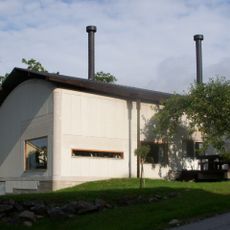
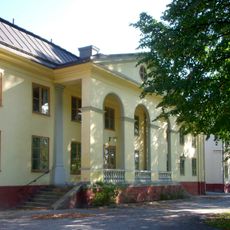
Drottningholms kungsgård is the farm complex north of Drottningholm Palace, along Kungsgårdsvägen and north of Ekerövägen. The present buildings were designed in 1914 by architect Sigge Cronstedt and now house riding stables and greenhouses. The complex is managed by the Royal Court's Office of the Governor, while the Lovö farms Barkarby, Berga, Edeby, Hogsta, Lunda and Norrby are leased out by the National Property Board.
King Gustav Vasa acquired all farms on the island during the 1550s and established this as a royal agricultural estate. The property later became essential in supporting construction and operations at nearby Drottningholm Palace, serving as the crown's farming center.
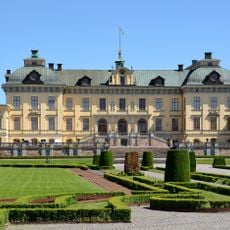
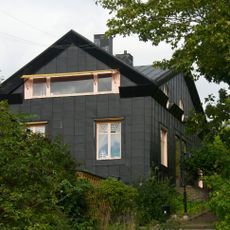
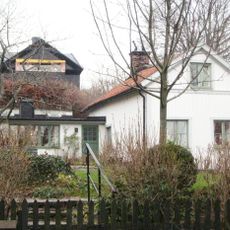
The name Drottningholm comes from Johan III, who in 1579 named the first palace after Queen Katarina Jagellonica. The present farm complex, drawn by architect Sigge Cronstedt in 1914, stands by Kungsgårdsvägen just north of the palace park and now houses riding stables and greenhouses. Many former crofts and workers' dwellings on Lovön survive as permanent homes or summer cottages.
The estate is easily accessible and offers open areas for walking with views across forests and fields. Visitors should wear sturdy shoes for unpaved paths and be aware that parts of the property remain in active agricultural use.
The present farm buildings, drawn up in 1914 by architect Sigge Cronstedt, stand by Kungsgårdsvägen just north of the palace park. The site of the medieval village of Glia, where Gustav Vasa raised a fortified camp in 1521, now lies beneath the Götiska tornet, built in 1792; no traces of the village remain visible.
The community of curious travelers
AroundUs brings together thousands of curated places, local tips, and hidden gems, enriched daily by 94,345 contributors worldwide.