Lejonslätten, Green lawn in Stockholm, Sweden
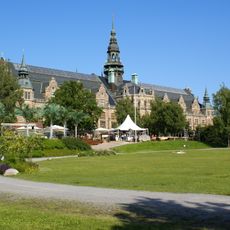
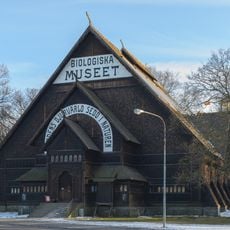
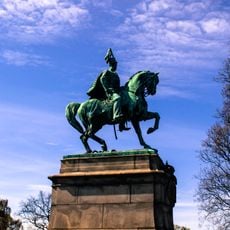
Lejonslätten is a park area on Södra Djurgården, east of the Nordiska museet and Djurgårdsvägen in Stockholm. Its largest building is the Biologiska museet, and a bronze equestrian statue of Karl XV by Charles Friberg, cast in 1909, stands on the grounds.
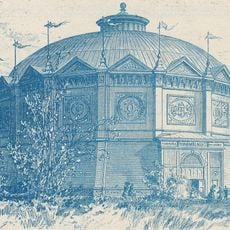
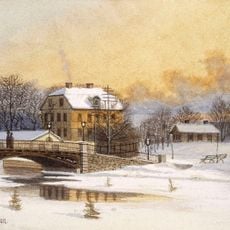
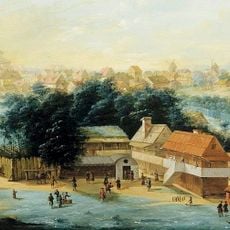
The name Lejonslätten, "Lion Plain", comes from 18th-century royal animal baiting on Djurgården, when lions and bears fought to the death for the court. Lion baiting began under Queen Christina, who received lions as war booty from Prague, and ended in 1792 when the last lion was shot by chief forester Erland Ström. The area later became Blekareplatsen, where linen was bleached in the sun, and in 1897 hosted the General Art and Industrial Exposition.
The name Lejonslätten, "Lion Plain", recalls the royal animal baiting held here from Queen Christina's reign until 1792, when the last lion was shot by chief forester Erland Ström. The same year Gustav III was fatally shot. The lion was mounted and is kept at the Swedish Museum of Natural History. The area was later called Blekareplatsen, after linen cloths bleached in the sun here.
Lejonslätten lies east of the Nordiska museet, between Djurgårdsvägen and the water, with the Biologiska museet as its largest building. The bronze equestrian statue of Karl XV by Charles Friberg (1909) stands on the lawn. Blå porten and the Värdshuset Blå porten are a short walk away, and Kaptensudden is the point toward Djurgårdsbrunnsviken just north.
The name Lejonslätten, "Lion's Plain", recalls the royal animal baiting held here: lions and bears fought for the court's amusement, and the last lion was shot in 1792 by head forester Erland Ström, the same year Gustav III died. The stuffed lion is now at the Swedish Museum of Natural History.
The community of curious travelers
AroundUs brings together thousands of curated places, local tips, and hidden gems, enriched daily by 94,019 contributors worldwide.