Värtaverket, Energy production facility in Hjorthagen, Stockholm, Sweden
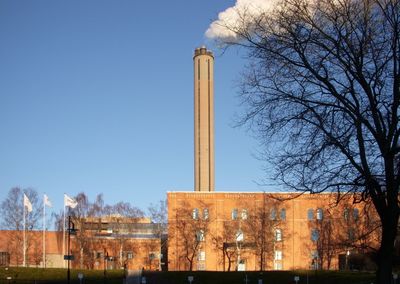
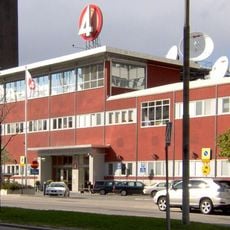
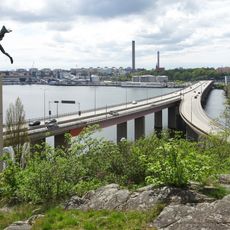
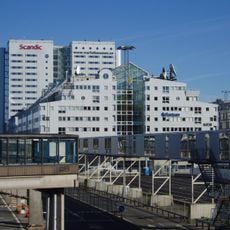
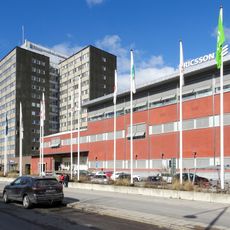
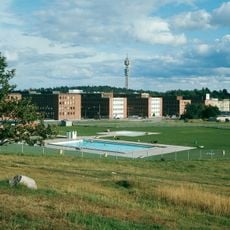
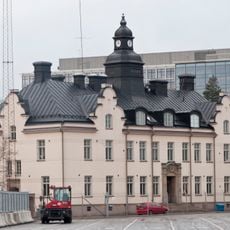
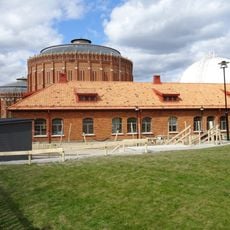
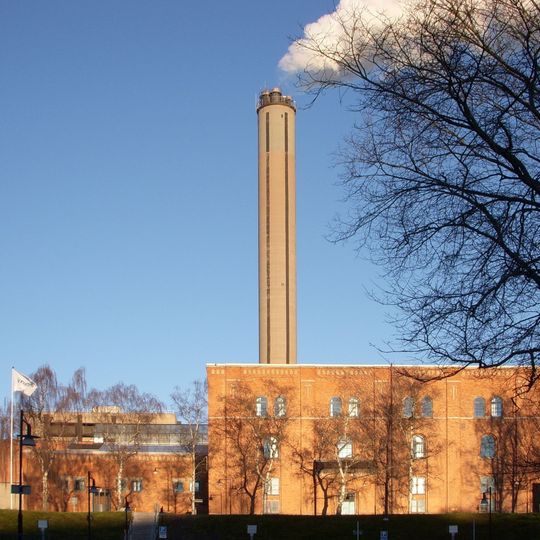
Värtaverket is an energy production complex in the Hjorthagen district of Stockholm, supplying the city with electricity and district heating. The site consists of several large buildings with a terracotta brick exterior and sits within a mixed area of industry and housing along the waterfront.
The facility opened in 1903 and ran on coal and oil for most of its history, serving as a key energy source for Stockholm. Around 2016 it was converted into one of the largest biomass-fired plants in Europe, switching to wood chips sourced from Swedish and Baltic forests.
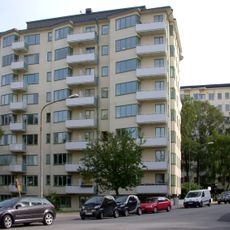
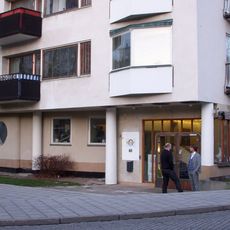
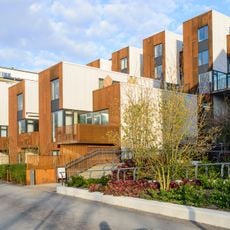
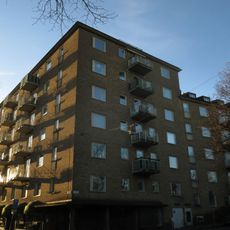
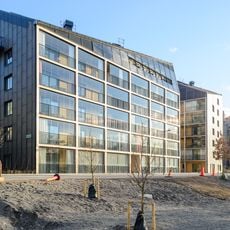
The terracotta brick facade of the complex is a recognizable landmark in the Hjorthagen neighborhood, standing out against the newer residential buildings nearby. Walking through the area, visitors can see how industrial infrastructure and everyday city life have long coexisted in this part of Stockholm.
The complex is located in Hjorthagen, a neighborhood that has seen a lot of new development in recent years and is fairly easy to reach from central Stockholm. Because this is an active industrial site, access is generally limited to public outdoor areas around the perimeter.
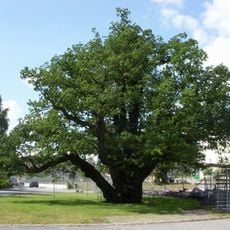
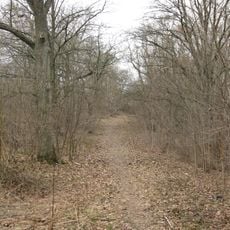
When the modern biomass boiler house was planned, three old oak trees on the site were protected by law, and their exact positions shaped where the building could be placed. Keeping trees within an active industrial site of this scale is something that rarely happens.
The community of curious travelers
AroundUs brings together thousands of curated places, local tips, and hidden gems, enriched daily by 92,220 contributors worldwide.