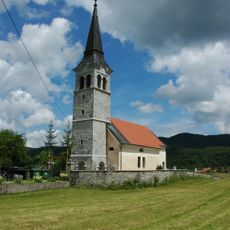
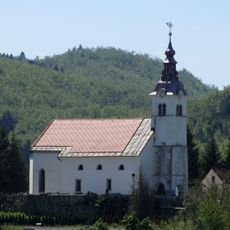
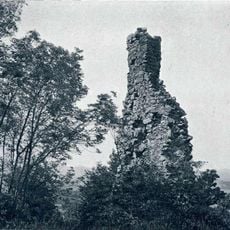
Snežnik, Mountain and plateau system in Inner Carniola, Slovenia
Snežnik is a broad karst plateau of 85 km² whose central massif rises to Veliki Snežnik (1796 m), with Mali Snežnik (1694 m) and Srednji Snežnik (1719 m) alongside. The surface is heavily karstified Cretaceous limestone, cut by dolines over 100 m deep and about 300 caves and shafts, the deepest being Brezno Bogomila Brinška at 506 m.
Snežnik was almost entirely within Italian territory from 1920 to 1947, before passing to Yugoslavia under the Treaty of Paris. In 1976, 178 cm of snow was measured there, the highest recorded. The Ždrocle forest reserve, on the southern slopes at 1300–1478 m, has been part of the UNESCO World Heritage ancient beech forests since 2007.
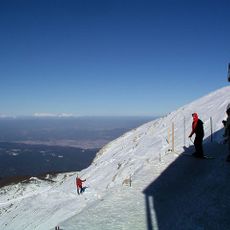
The name Snežnik means "snowy" in Slovene, and snow lies in the deeper dolines and karst hollows until summer; the record was 178 cm in 1976. Around 50,000 tourists visit the plateau each year. On the southwestern side, forests between Zgornja Pivka and the Reka valley were cleared for extensive sheep and goat pastures, and grazing reached the top of Veliki Snežnik.
The ascent typically starts from nearby villages and follows marked trails through forests and mountain vegetation, with most routes taking two to three hours. Visitors should prepare for changing weather and variable ground conditions, especially after rain or in wet seasons.
The plateau's 300 known caves and shafts include Brezno Bogomila Brinška, 506 m deep. In 1976, 178 cm of snow was measured, the deepest recorded. The Timavo springs at the foot of the massif, in Turkove škulje in Croatia.
The community of curious travelers
AroundUs brings together thousands of curated places, local tips, and hidden gems, enriched daily by 93,468 contributors worldwide.