Anatolia, Peninsula in Western Turkey
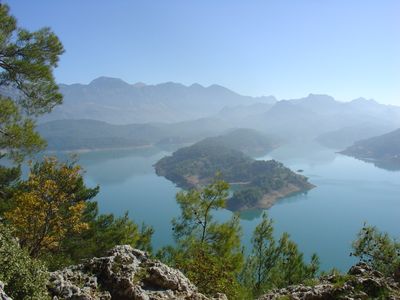
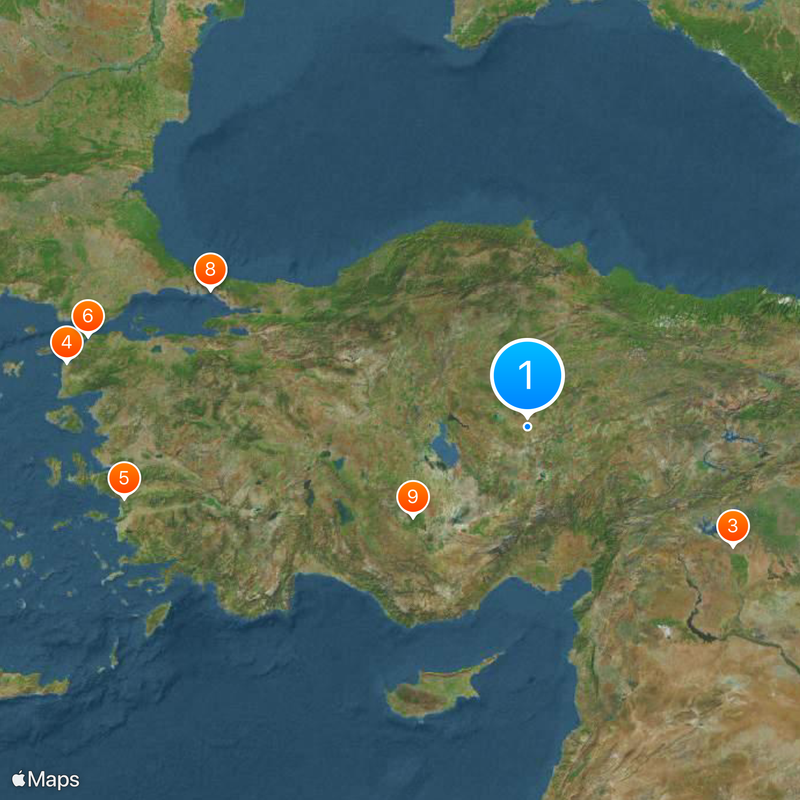
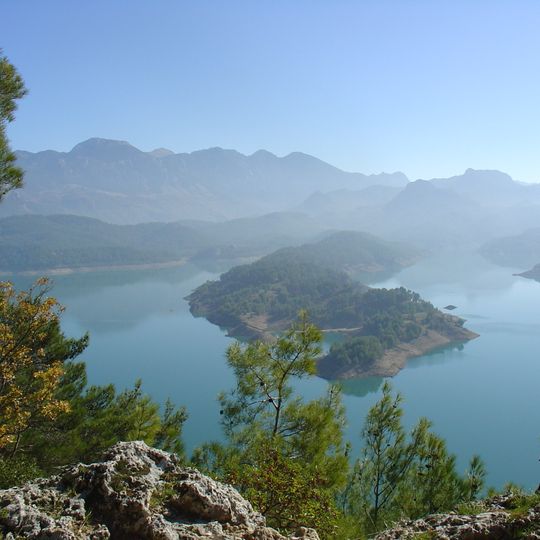
Anatolia is a peninsula in western Turkey that stretches between the Black Sea to the north and the Mediterranean Sea to the south, forming a natural land bridge between Asia and Europe through mountain ranges and high plateaus. The landscape runs from coastal strips through fertile valleys to central plateaus rising over 1000 meters and encircled by mountain chains.
Between 7300 BCE and 1180 BCE the area evolved from Neolithic farming settlements into the Hittite kingdom, which introduced bronze tools and organized armies. Greek city-states, Roman administration, and later Ottoman rule shaped the territory until the establishment of modern Turkey in the early 20th century.
People today maintain traditions such as carpet weaving, regional cooking methods, and hospitality customs that travelers encounter in village homes and countryside inns. Local markets and tea houses serve as social centers where neighbors gather, discuss daily life, and continue rituals passed down through generations.
Travelers can explore different climate zones, from Mediterranean coasts to continental highland areas, connected by a network of roads, rail lines, and domestic flights. Those planning to move across the region should bring different clothing depending on elevation and season, as temperatures and weather conditions vary widely.
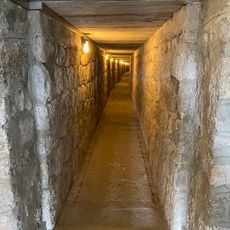
Beneath the plateau lie underground cities carved into soft volcanic rock, offering shelter to thousands of people during past conflicts. These multi-level complexes include ventilation shafts, wine cellars, and even stables built deep below the surface.
The community of curious travelers
AroundUs brings together thousands of curated places, local tips, and hidden gems, enriched daily by 60,000 contributors worldwide.