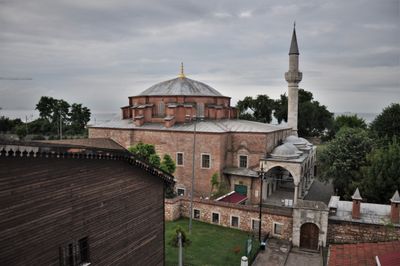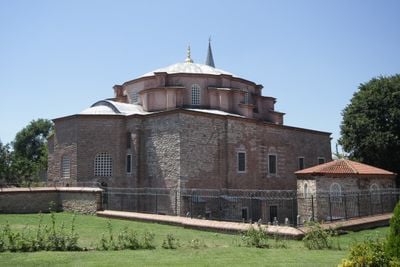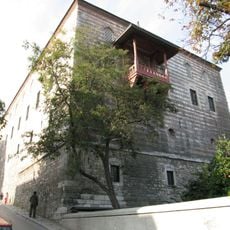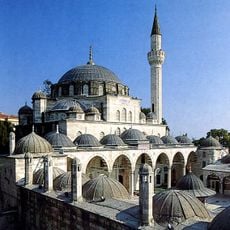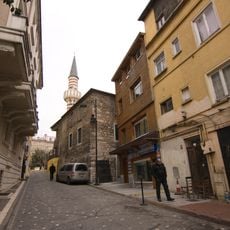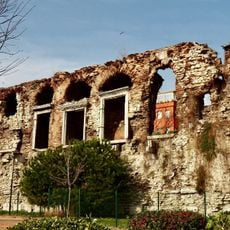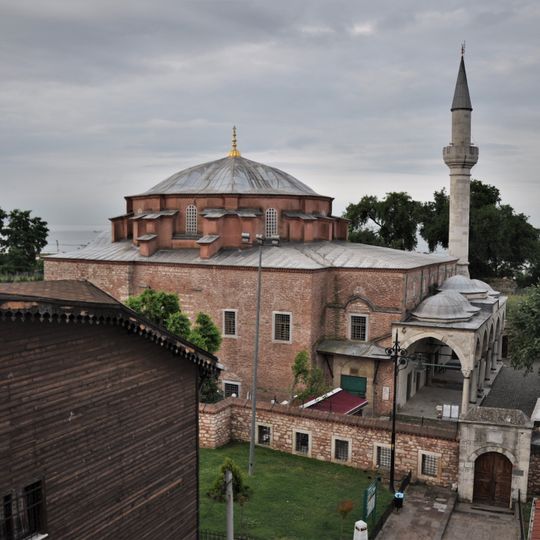
Little Hagia Sophia, Byzantine church and mosque in Fatih district, Istanbul, Turkey
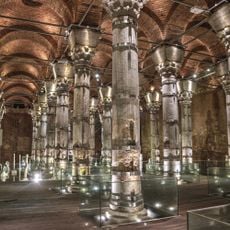
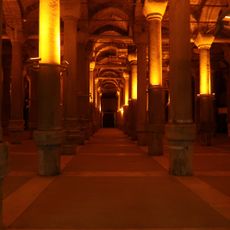
Little Hagia Sophia is a brick building with an octagonal floor plan and a central dome supported by eight pillars, with marble columns decorated with carved capitals adorning the two-story arcades. The interior shows a flowing transition featuring Byzantine arches and alcoves that were later adapted for use as a mosque.
Emperor Justinian I ordered the church in 527 CE to honor Saints Sergius and Bacchus, with construction completed in 536 under architect Isidore of Miletus. After Constantinople's conquest, the building was converted to the Butchers' Mosque and has served both religions as a sacred space since then.
The building shows how it transitioned between religions, with Islamic features like the minbar and mihrab integrated into the original Byzantine design. Visitors can see these layers in details such as removed Christian symbols and added Arabic inscriptions on the walls.
Visitors must remove shoes and women should cover their heads and shoulders when the space is in active use as a mosque. Touring is possible outside prayer times, with mornings and early afternoons typically having fewer worshippers present.
The columns display carved capitals bearing monograms of Emperor Justinian I and Empress Theodora that survived through centuries of modifications. These personal marks give the space a human dimension that many visitors overlook.
The community of curious travelers
AroundUs brings together thousands of curated places, local tips, and hidden gems, enriched daily by 91,397 contributors worldwide.