Gül Mosque, Byzantine mosque in Fatih district, Istanbul, Turkey
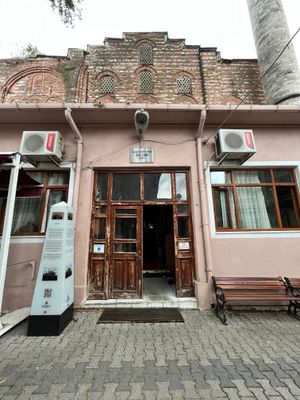
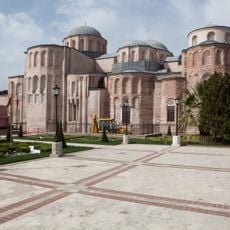
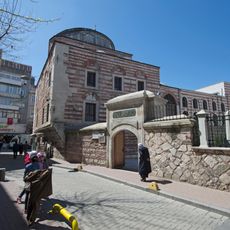
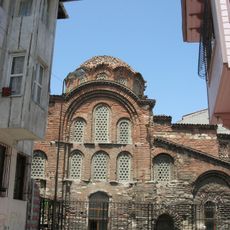
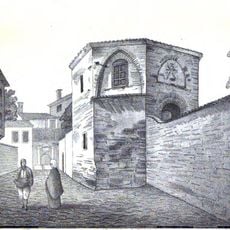
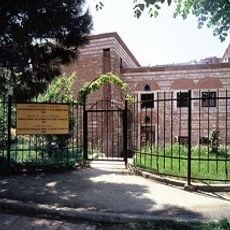
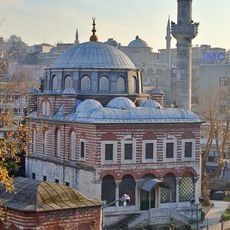
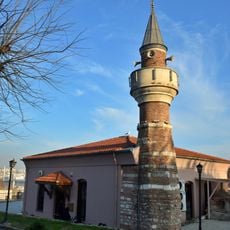
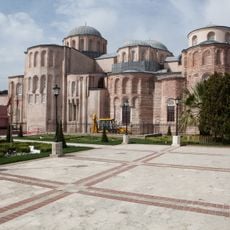
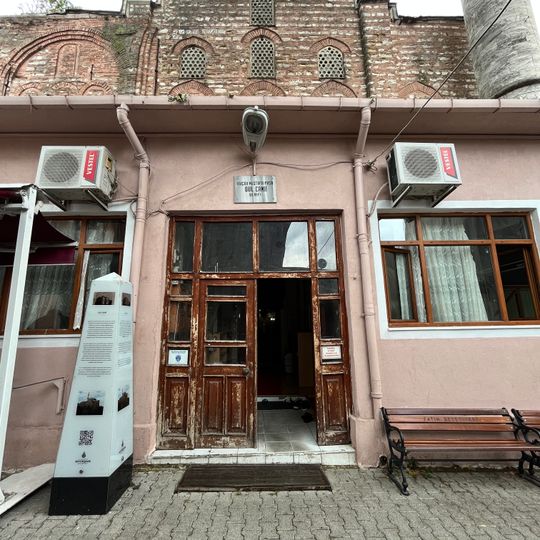
The Gül Mosque is a brick structure in Istanbul's Fatih district with a distinctive dome composition. A central dome towers above the space, with four smaller domes surrounding it, and a seven-sided apse marks the southeastern side of the interior.
The building was constructed in the 11th century as a church dedicated to Saint Theodosia and converted to a mosque following the Ottoman conquest of 1453. This transformation marked a significant change in how the space would serve the community going forward.
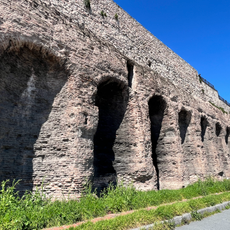
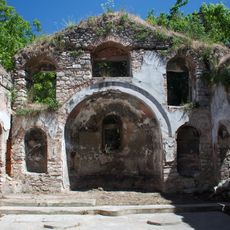
The building shows how a Christian church was adapted for Islamic worship, with its original architectural elements still visible in the layout and structure. Visitors can see this transformation reflected in the way the space is used today.
The mosque welcomes visitors outside prayer times, though modest dress is expected when entering. Visiting between daily prayers is best, as the space is more accessible and quieter during these periods.
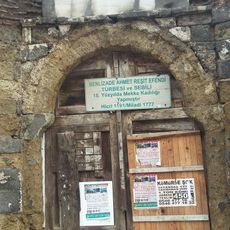
The building contains an inscription referring to the tomb of one of Jesus's followers, showing how Christian and Islamic beliefs coexist within its walls. This unusual connection makes it a distinctive place where two religious traditions overlap.
The community of curious travelers
AroundUs brings together thousands of curated places, local tips, and hidden gems, enriched daily by 92,242 contributors worldwide.