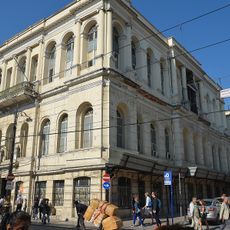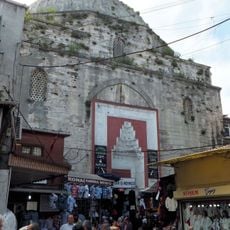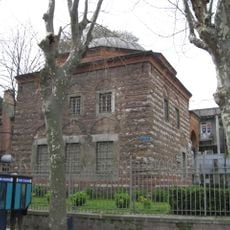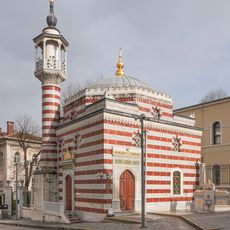
Historical Peninsula of Istanbul, Peninsula in Fatih, Turkey.
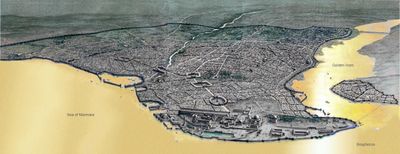
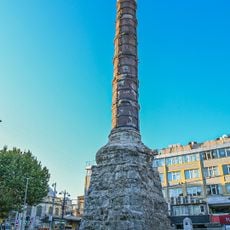
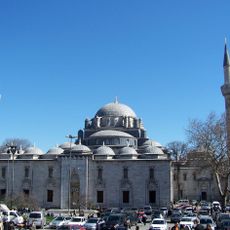
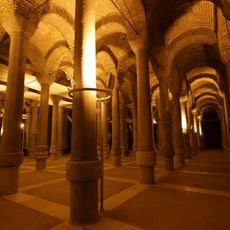
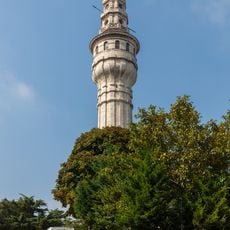
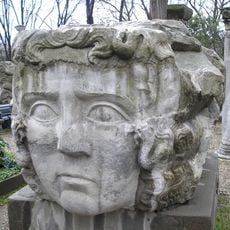
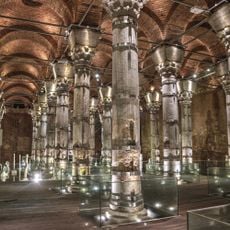
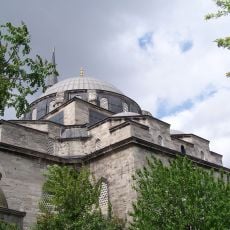
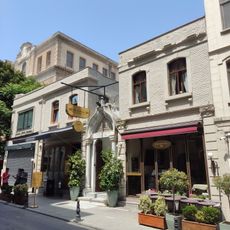
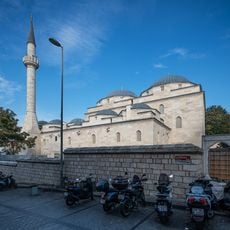
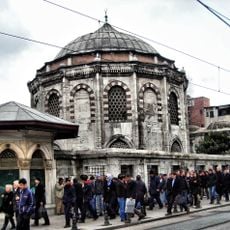
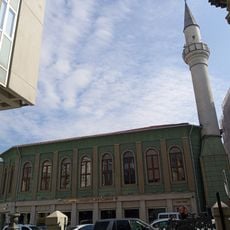
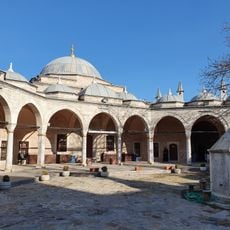
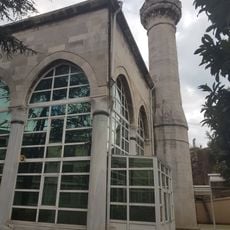
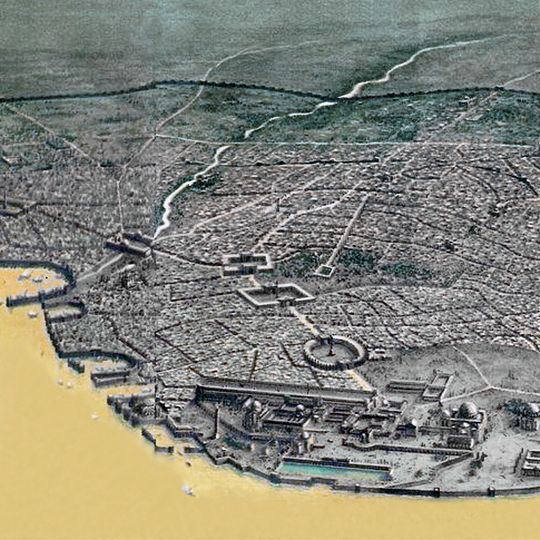
The Historical Peninsula of Istanbul is a landmass bordered by three bodies of water – the Golden Horn, the Bosporus, and the Sea of Marmara – that has shaped the city for millennia. The terrain rises and falls across several hills with narrow streets, open squares, and large structures densely packed together, showing architectural styles from multiple periods layered one upon another.
The area was first established as Byzantion and later flourished as Constantinople after becoming the capital of the Roman Empire in 330 AD. Over centuries, successive rulers and faiths left their mark through different building campaigns and urban transformations.
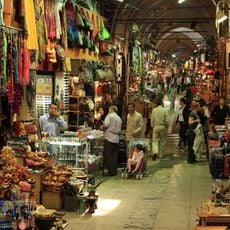
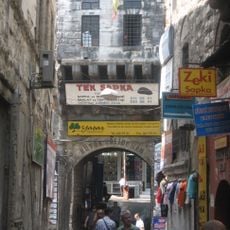
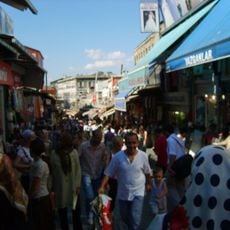
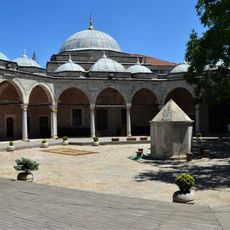
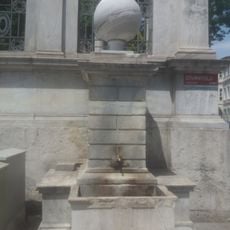
The peninsula served as a crossroads of civilizations, and this heritage is visible in every corner through layered architecture and daily life. Neighborhoods still follow patterns set centuries ago, with locals gathering in courtyards, markets, and around fountains much as people have done for generations.
Walking is the best way to explore the streets and hills, as many narrow alleys and pedestrian paths run through the core. Public transit like trams and ferries are easily accessible nearby and help reach more distant spots across the area.
The ancient defensive walls protecting the area were built over 1500 years ago and sections still stand upright along its edges today. These fortifications reveal advanced construction methods from an era when such engineering represented a frontier of military innovation.
The community of curious travelers
AroundUs brings together thousands of curated places, local tips, and hidden gems, enriched daily by 92,530 contributors worldwide.