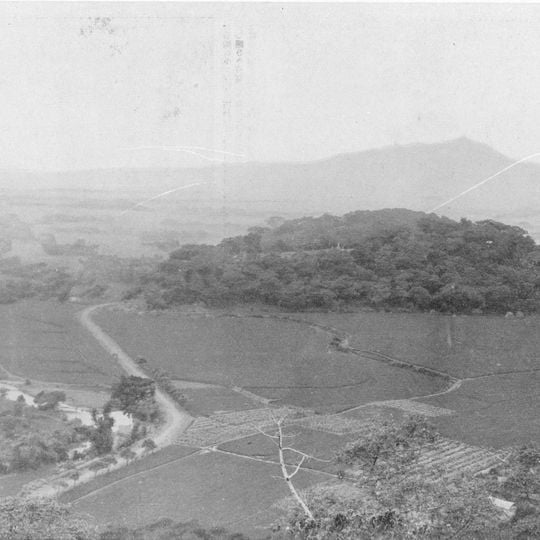
Zhishanyan, Geological formation and temple site in Taipei, Taiwan
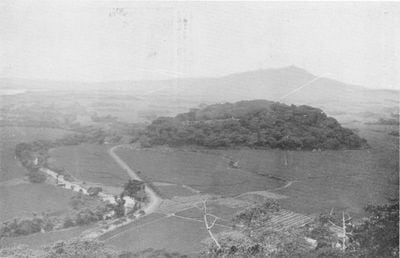
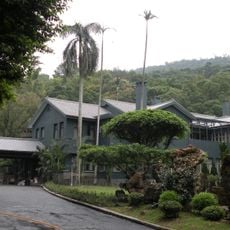
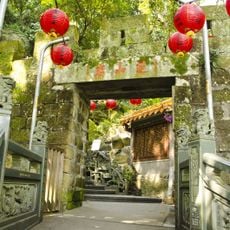
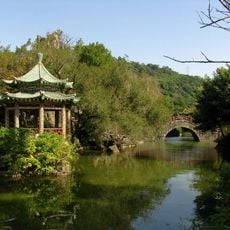
Zhishanyan is a geological site featuring volcanic rock formations and temples perched on a 52-meter hill in Taipei. The location includes Buddhist shrines, stone gates, and ancient camphor trees scattered across the grounds.
The site became strategically important in 1825 when settlers from Zhangzhou built fortifications to defend against rival groups from Fujian province. A memorial stone commemorates the 1896 Zhishanyan Incident, during which six Japanese teachers died in the colonial period.
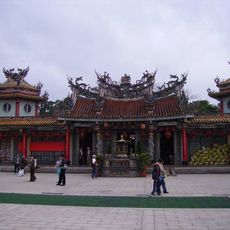
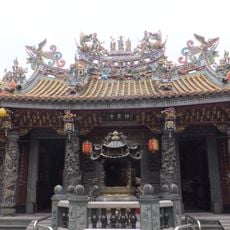
Huiji Temple, rebuilt multiple times since 1750, houses the Sage King Chen deity and reflects traditional Fujian religious customs that visitors can observe in daily rituals and offerings. The temple remains an active place of worship where locals come to pray and celebrate seasonal festivals.
The site features a network of trails with wooden walkways and stone steps that takes about one hour to explore the main attractions. Wear comfortable shoes and exercise caution on the paths, especially when wet.
The site is notable for its volcanic rock formations that stand out dramatically from the flat surrounding landscape and create natural caves. Many visitors overlook how these rock formations serve as a natural classroom for understanding Taiwan's geological history.
The community of curious travelers
AroundUs brings together thousands of curated places, local tips, and hidden gems, enriched daily by 91,136 contributors worldwide.