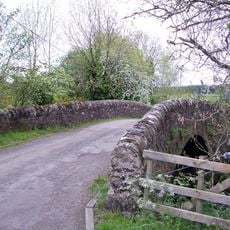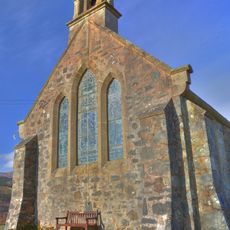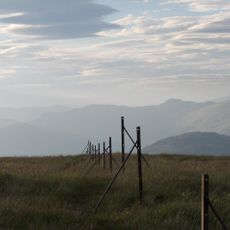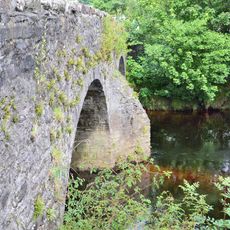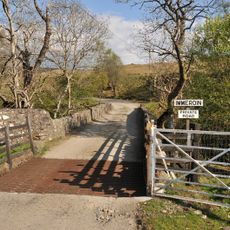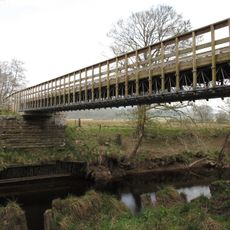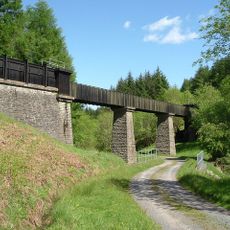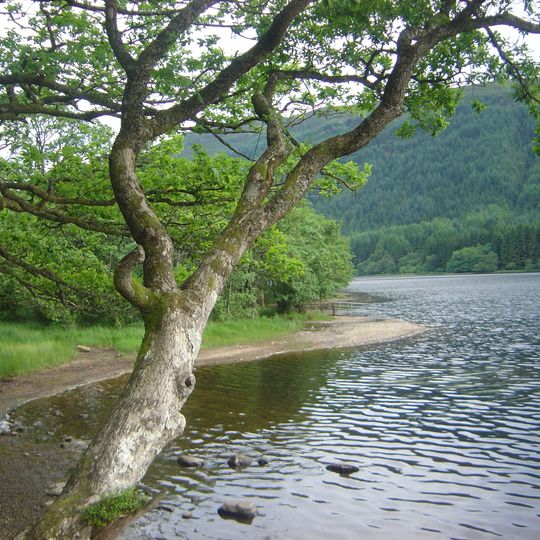
Trossachs, Woodland glen in Stirling, Scotland
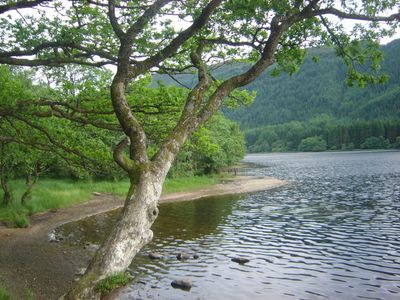
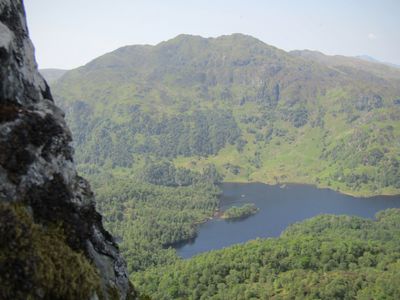
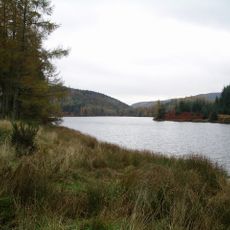
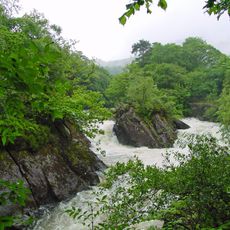
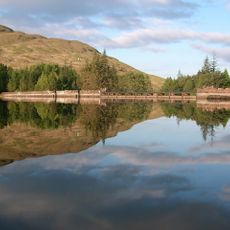
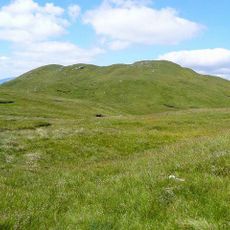
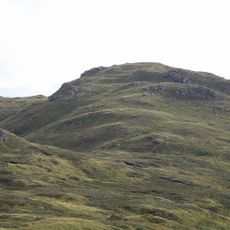
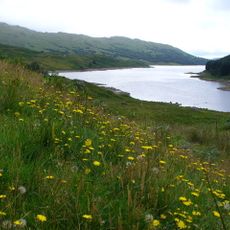
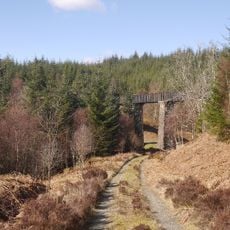
The Trossachs extend from Callander to Loch Katrine through forested glens, mountains, and several lochs in the eastern Scottish Highlands. The area forms a varied landscape with dense woodlands, open water, and mountain ridges.
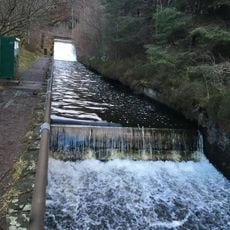
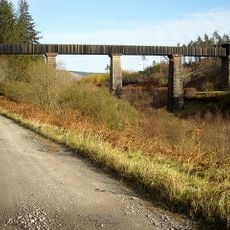
The Trossachs became one of Scotland's first recognised tourist destinations, helped by Sir Walter Scott's 1810 poem The Lady of the Lake and his 1817 novel Rob Roy. In 1859 a dam and aqueducts were built at the eastern end of Loch Katrine to supply Glasgow with water. Queen Victoria's Royal Cottage, built at the water company's expense, was never used by her after its windows were broken by the 21-gun salute.
Sir Walter Scott brought attention to this landscape through novels like The Lady of the Lake and Rob Roy in the 19th century. His stories transformed the region into a destination for readers and travelers worldwide.
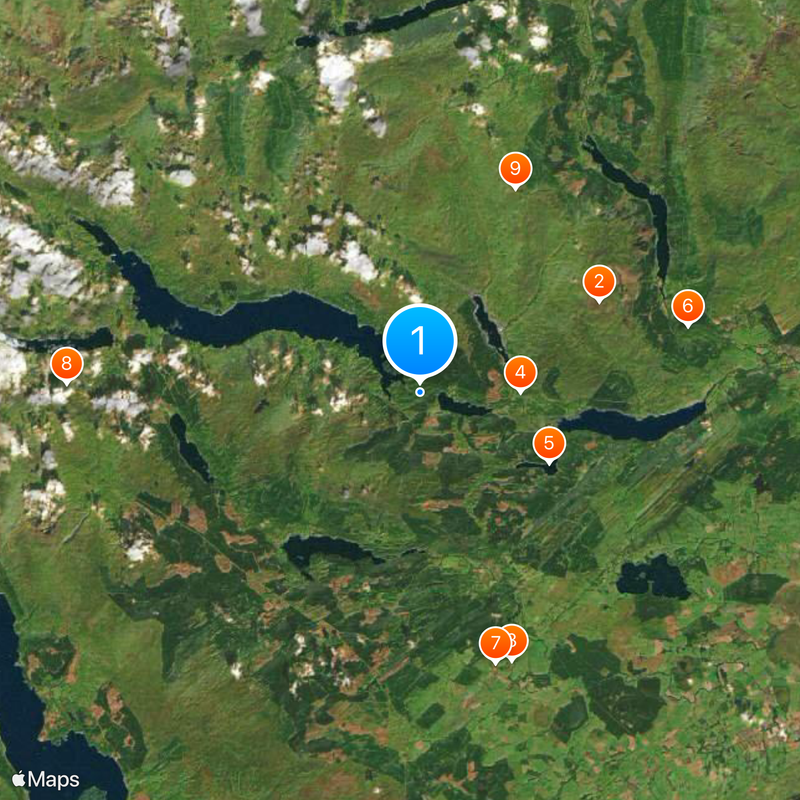
The A821 through the glen is the main access from Aberfoyle and Callander, crossing the Duke's Pass at 238 m. No public road runs along Loch Katrine's shore; walkers and cyclists use the Great Trossachs Path, a 48 km route from Callander to Inversnaid, along the north shore to Stronachlachar. Stronachlachar is also reached by the B829 from Aberfoyle.
The SS Sir Walter Scott, launched in 1899, still sails Loch Katrine; the German-language source dates it to the 1900s. A dam built at the loch's eastern end in 1859 and its aqueducts made the loch Glasgow's water supply, and Queen Victoria's Royal Cottage, built at the water company's expense, was never used by her after its windows were broken by the 21-gun salute.
The community of curious travelers
AroundUs brings together thousands of curated places, local tips, and hidden gems, enriched daily by 95,686 contributors worldwide.