Isle of Wight, Island county in South England
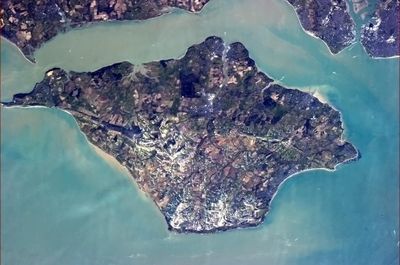
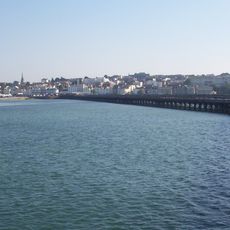
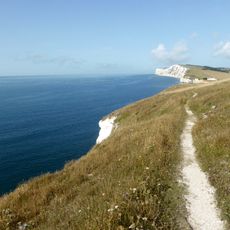
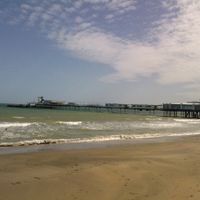
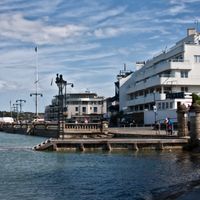
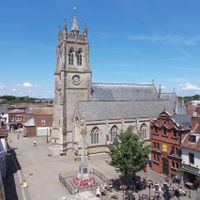
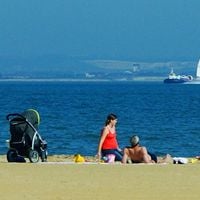
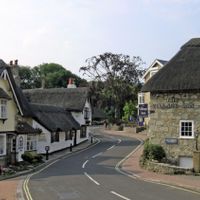
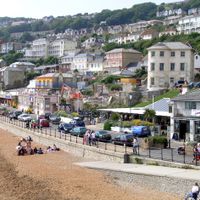
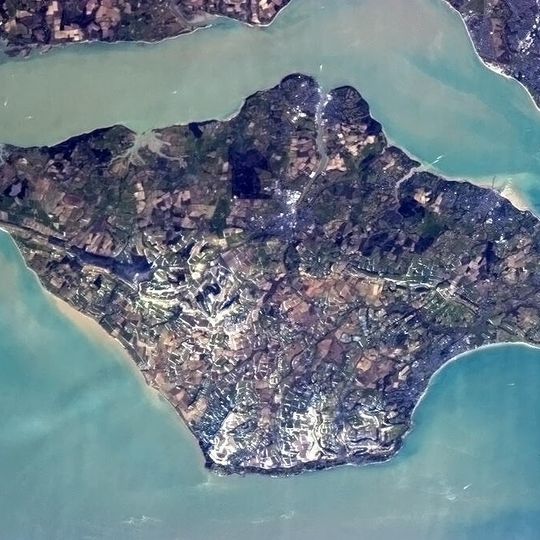
The Isle of Wight is an island off the southern coast of England, covering more than 380 square kilometers in the English Channel and shaped by chalk cliffs, sandy beaches, and gentle hills. Footpaths run along the coastline and across open fields, while small towns and villages spread across sheltered bays and shallow valleys.
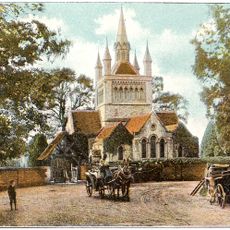
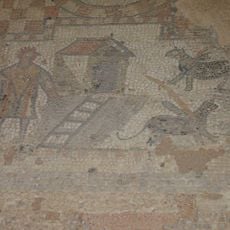
Roman settlers built military bases and small ports on the island during the first century, later expanded under Norman and Anglo-Saxon rule. In the nineteenth century, the arrival of members of the royal family turned the location into a retreat for wealthy families from across Europe.
Sailing draws thousands of enthusiasts to the island each year, with regattas and boat events filling the harbors at Cowes and Yarmouth. Local breweries and farm shops sell their products directly to visitors who regularly stop to taste fresh food and handcrafted ales.
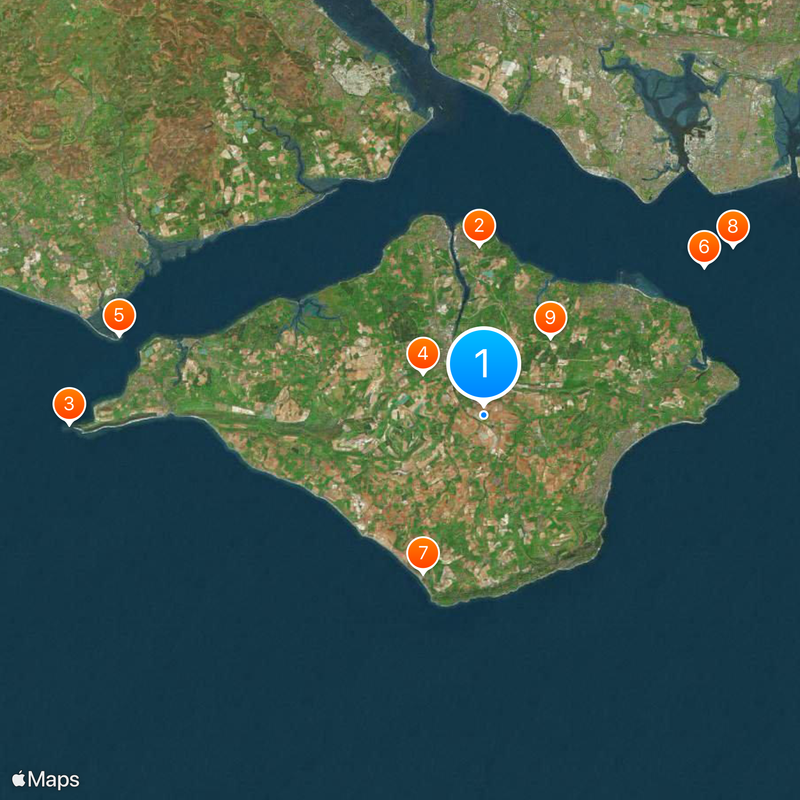
Ferries run regularly from Southampton and Portsmouth to the island ports of Cowes, Ryde, and Yarmouth, taking roughly one hour to cross. Most attractions can be reached by car, bus, or bicycle, and cycling routes pass through many coastal towns and inland villages.
Paleontologists discovered several new dinosaur species from the Cretaceous period here, and visitors still find fossils in the coastal rubble at certain stretches today. Local museums display finds and occasionally organize guided walks with geologists who show how to recognize the traces.
The community of curious travelers
AroundUs brings together thousands of curated places, local tips, and hidden gems, enriched daily by 90,900 contributors worldwide.