Bermuda, British archipelago in North Atlantic Ocean, United Kingdom.
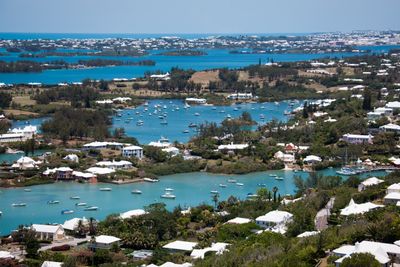
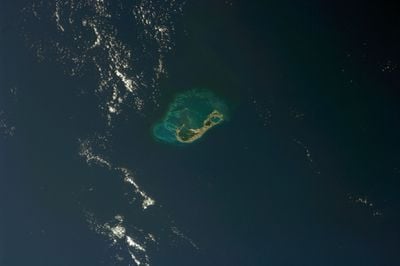
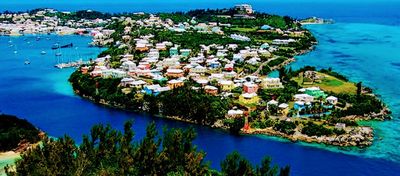
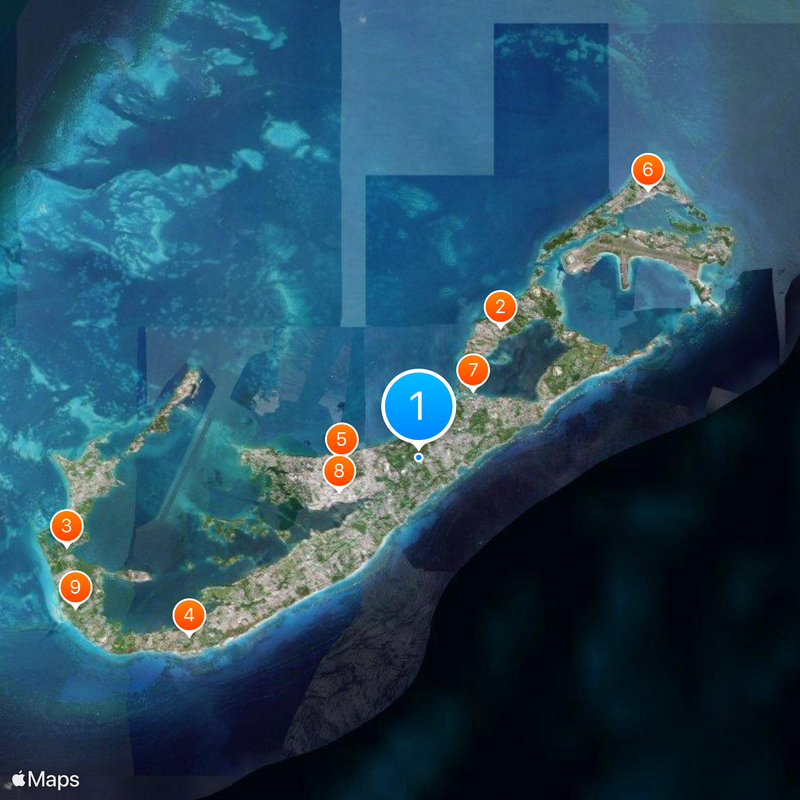
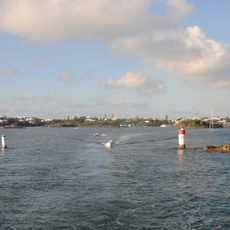
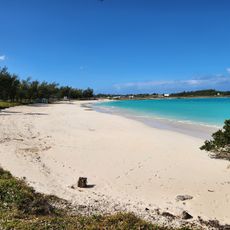
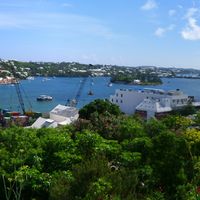
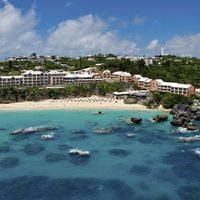
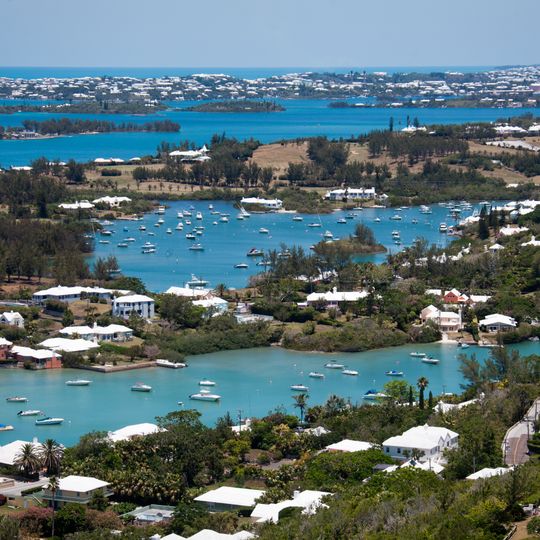
Bermuda consists of 181 coral islands connected by bridges and roads, forming a hook-shaped landmass spanning roughly 53 square kilometers. Most inhabited areas concentrate on the largest island, while smaller islands remain natural or accessible only by boat.
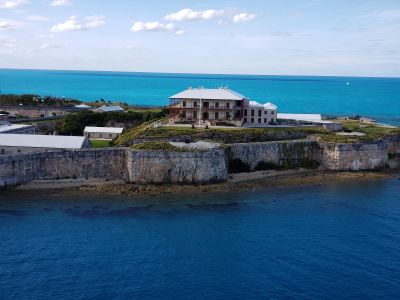
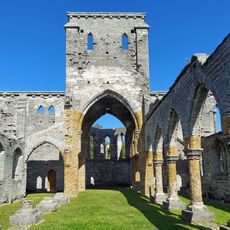
A Spanish navigator discovered the uninhabited islands in the early 16th century, but not until 1609 did a shipwreck lead to permanent settlement. An English trading company established the colony in 1612, bringing settlers and later enslaved workers from Africa and the Caribbean.
Local festivals and holidays show a mix of African rhythms, British customs and Caribbean ways of living, reflected in music, food and community gatherings. Visitors encounter a society that blends formal English politeness with a relaxed island pace, visible in the way people speak, celebrate and welcome guests.
The international airport receives regular flights from North America and Europe, while ferries connect the main islands. Visitors should note that the climate remains mild year-round, with summers humid and winter months comfortably cool.
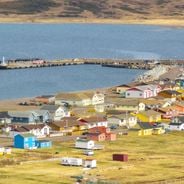
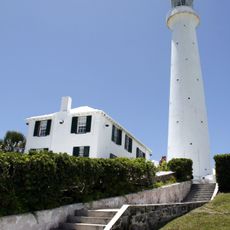
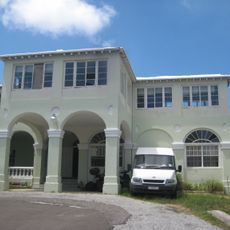
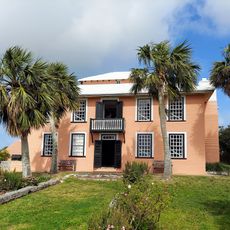
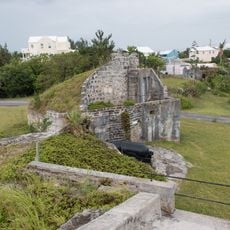
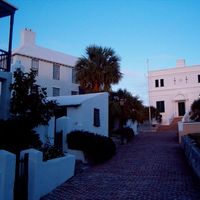
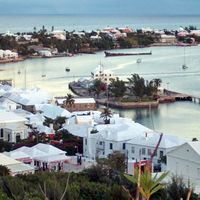
Every home must by law have a white limestone roof that channels rainwater into underground tanks, as there are no rivers or lakes. These roofs shape the architecture across the islands and secure the water supply for residents and visitors alike.
The community of curious travelers
AroundUs brings together thousands of curated places, local tips, and hidden gems, enriched daily by 90,846 contributors worldwide.