River Irwell, River in Lancashire, England
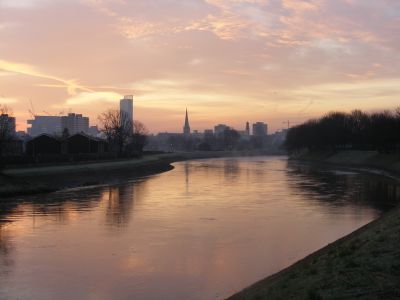
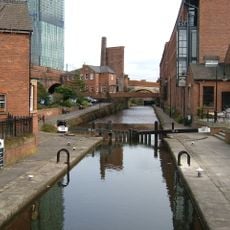
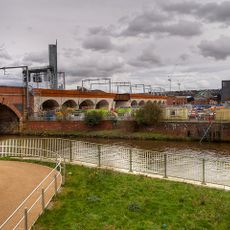
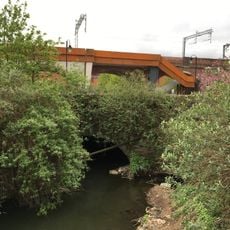
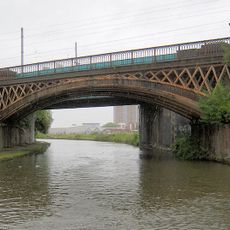
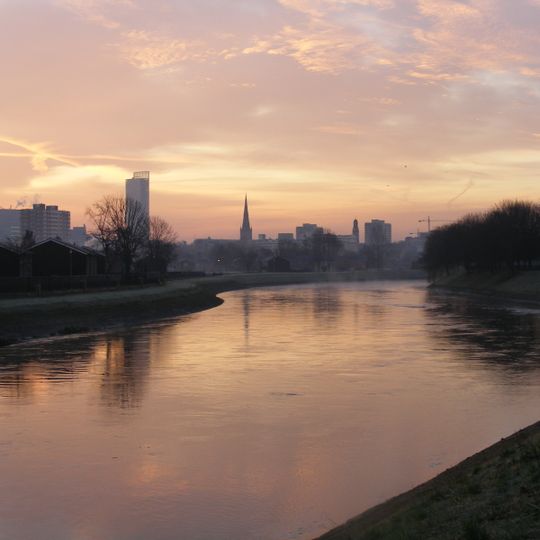
The River Irwell starts in moorland and flows roughly 40 miles through open land and built-up areas before merging with the River Mersey downstream. Along its course, the waterway passes through villages and urban zones where its banks have been shaped by human activity over centuries.
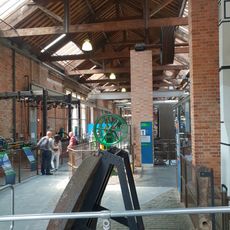
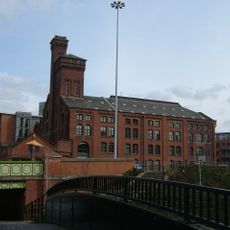
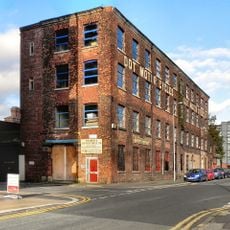
During the Industrial Revolution, the river powered hundreds of textile mills that transformed Manchester into a factory city. In the late 20th century, after decades of pollution, water quality began to improve through environmental clean-up efforts.
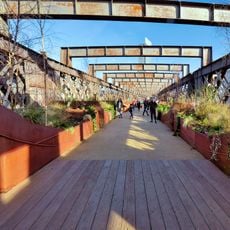
The communities along the river have reclaimed it as a gathering place, with public paths and art installations reflecting how locals connect with this waterway today. The sculpture trail demonstrates the river's role in bringing neighborhoods together around shared public space.
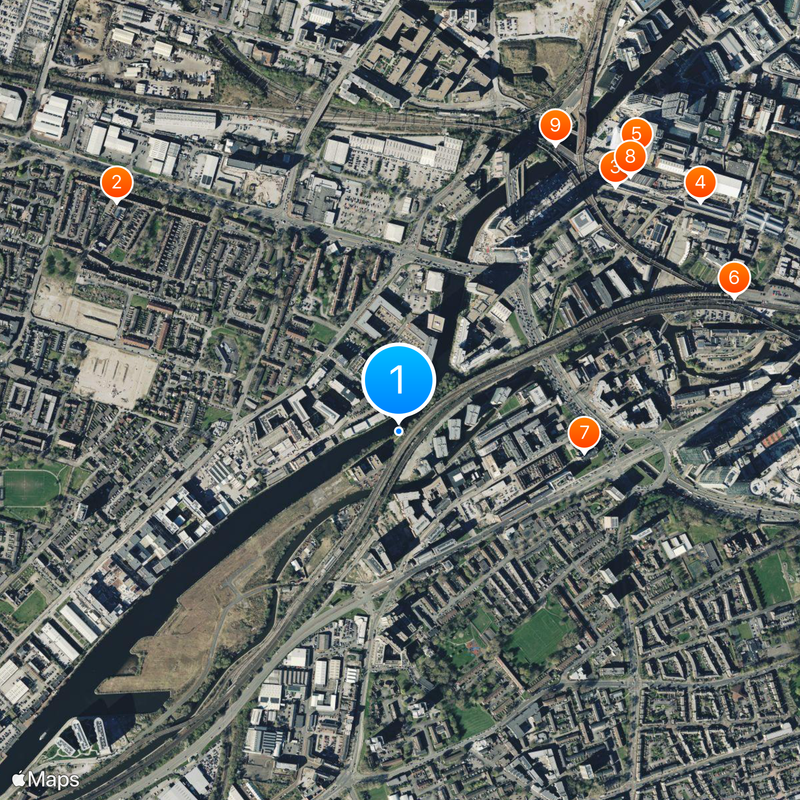
The river can be accessed at various points along its length, with walking paths available at most sections. Spring and autumn offer the most pleasant conditions for exploring the banks and enjoying the surrounding landscape.
The river was once so polluted that fish had largely vanished, but their return in the 1980s marked a turning point in environmental recovery. This comeback demonstrates how industrial waterways can bounce back when cleanup efforts take hold.
The community of curious travelers
AroundUs brings together thousands of curated places, local tips, and hidden gems, enriched daily by 92,398 contributors worldwide.