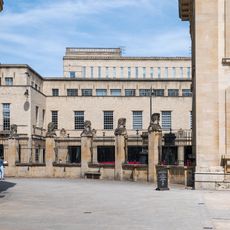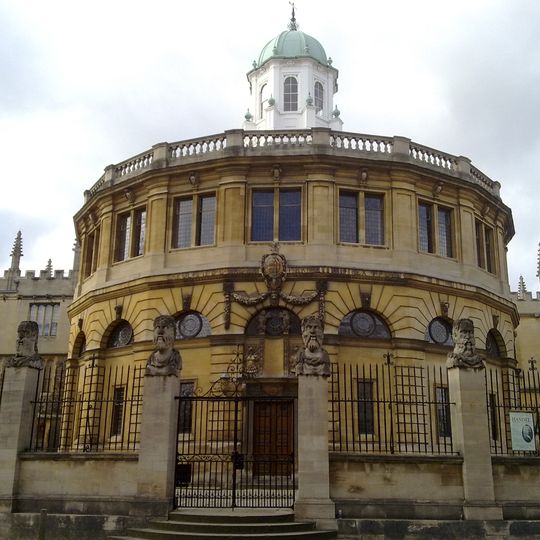
Sheldonian Theatre, Ceremonial theatre in Oxford, England
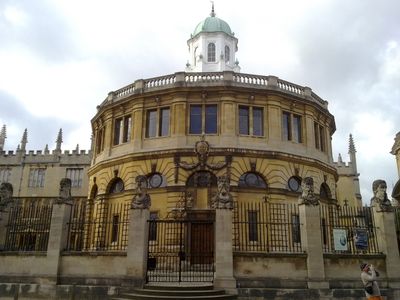
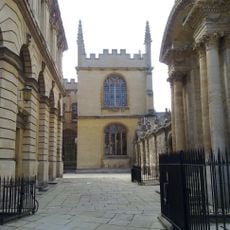
The Sheldonian Theatre is a ceremonial building in central Oxford used for academic events and concerts. An eight-sided cupola with large windows sits on the roof, offering wide views over the rooftops and spires of the city.
Christopher Wren designed the building in 1664, drawing inspiration from the ancient Theatre of Marcellus in Rome. The construction introduced a new architectural style in England and marked the start of Wren's celebrated career.
The name honors Gilbert Sheldon, who funded the construction as Archbishop of Canterbury to give Oxford a place for academic ceremonies. Today graduates gather here in their black robes, while the building continues to host musical performances and public lectures.
Access to the cupola involves climbing a narrow spiral staircase, which may not suit visitors with limited mobility. The building can be visited outside event times, with entry usually available during morning and afternoon hours.
The interior features one of the largest unsupported floors from the 17th century, built using mathematical principles developed by John Wallis. The ceiling displays a painted fresco by Robert Streater showing Truth in combat against Ignorance.
The community of curious travelers
AroundUs brings together thousands of curated places, local tips, and hidden gems, enriched daily by 60,000 contributors worldwide.