Lac qui Parle, lake in western Minnesota, United States
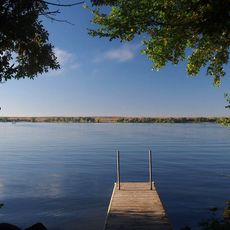
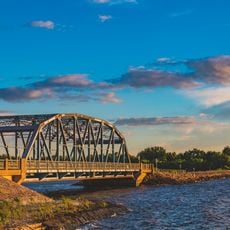
Lac qui Parle is a large lake in western Minnesota created by damming the Minnesota River. It stretches roughly 10 miles from north to south and is surrounded by gentle rolling hills, green fields, and wooded patches.
The lake was created in 1939 by the Works Progress Administration, a government project during the Great Depression. The dam was repaired and improved in 1996 to maintain its functionality.
The name 'Lac qui Parle' comes from French and means 'Lake which speaks.' This is a translation of the Dakota name 'Mde Iyedan,' reflecting the lake's historical importance to Native American peoples in the region. Today the lake remains a place where visitors can sense the long connection between people and the land.
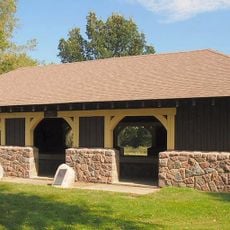
The shoreline is easy to access with parking areas and picnic spots for visitors. Drinking water is usually available, and trails wind through the area for walking and birdwatching.
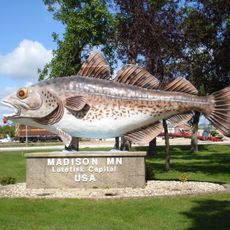
The area serves as a crucial resting spot for thousands of waterfowl migrating between Canada and the south. The lake is also noted for its strong walleye populations and the chance to see large flocks of geese during migration seasons.
The community of curious travelers
AroundUs brings together thousands of curated places, local tips, and hidden gems, enriched daily by 60,000 contributors worldwide.