Piqua Nuclear Generating Station, nuclear power plant
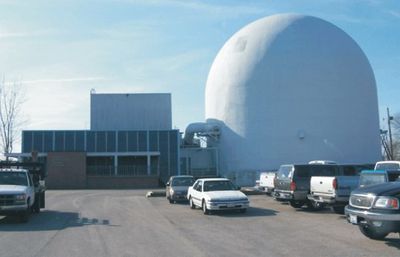
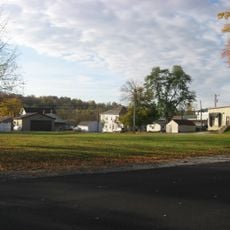
The Piqua Nuclear Power Facility is a decommissioned plant in Ohio, United States. The reactor structure has been fully dismantled, and today the site features only a few concrete buildings and a large, maintained area with low grass and scattered trees.
The plant was built in the early 1960s and operated from 1963 to 1966 as a test facility with a reactor that used organic fluids for cooling. After this short operating period, decommissioning began, and over several years radioactive areas were sealed and the site was secured.
The name of the plant refers to the nearby city of Piqua, a small community in Ohio. The area now uses the former buildings as storage, showing how local residents have adapted this piece of industrial heritage.
Access to the site is restricted because it remains under long-term monitoring and is not open to the public. Those interested in nuclear power history can view the surroundings from outside and learn more about the project through archives or specialized publications.
The reactor used a rare technology with organic cooling fluids, a method that was seldom applied in later plants. The output was about 45.5 MW thermal, which seems modest by today's standards but was sufficient for testing purposes at the time.
Location: Ohio
GPS coordinates: 40.13230,-84.23480
Latest update: December 5, 2025 09:57
This collection brings together nuclear power plants that have shaped the history of civilian nuclear energy. Some experienced accidents that changed the world’s view of nuclear energy. Chernobyl in Ukraine remains a symbol of the 1986 disaster, while Fukushima in Japan showed the risks of natural events. Three Mile Island in Pennsylvania paused the building of new reactors in the US for many years. Other sites are among the largest in the world, like Kashiwazaki-Kariwa in Japan or Bruce in Canada. Many places are facing challenges today, such as the Zaporijia plant in Ukraine. The collection also includes projects that tried to push the technical limits of this energy. Superphénix in France and Monju in Japan explored new types of reactors, with mixed results. Some facilities, like Bataan in the Philippines, were never operational despite being fully built. Others, like Oyster Creek or Tokai, helped start nuclear work in their countries. From Siberia to the United Arab Emirates, from Canada to India, these sites tell stories about energy choices, technical progress, failures, and questions that have surrounded this source of power for more than sixty years.
Lake Loramie State Park
23.3 km
People's Federal Savings and Loan Association
18.1 km
Hobart Arena
10 km
Bear's Mill
26.3 km
Eldean Covered Bridge
6.3 km
Lockington Locks
8.6 km
African Jackson Cemetery
2.8 km
St. Patrick's Catholic Church
26.9 km
Whitby Mansion
18.8 km
Miami County Courthouse
10.5 km
Arrowston
3.2 km
Overfield Tavern
10.7 km
Sidney Waterworks and Electric Light Building
18.7 km
Fulton Farm
17.6 km
Troy Public Square
10.7 km
Casstown Lutheran Stone Church
12.8 km
Versailles Town Hall and Wayne Township House
23.5 km
St. Peter's Evangelical Lutheran Church
20.8 km
Sidney Walnut Avenue Historic District
18.3 km
Wilson-Lenox House
13.8 km
Port Jefferson School
25.1 km
William English House
23.3 km
John Minor Dye Stone House
14.2 km
Old Piqua High School
2.2 km
WACO Air Museum & Aviation Learning Center
13.6 km
Monitor House
22.8 km
The Shelby County Courthouse
18.3 km
Forest Hill Union Cemetery
4.1 kmReviews
Visited this place? Tap the stars to rate it and share your experience / photos with the community! Try now! You can cancel it anytime.
Discover hidden gems everywhere you go!
From secret cafés to breathtaking viewpoints, skip the crowded tourist spots and find places that match your style. Our app makes it easy with voice search, smart filtering, route optimization, and insider tips from travelers worldwide. Download now for the complete mobile experience.

A unique approach to discovering new places❞
— Le Figaro
All the places worth exploring❞
— France Info
A tailor-made excursion in just a few clicks❞
— 20 Minutes