Taku Glacier, Tidewater glacier in Southeast Alaska, United States
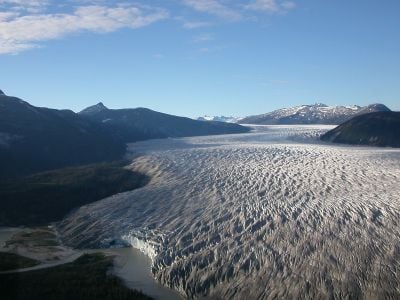
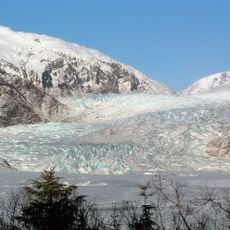
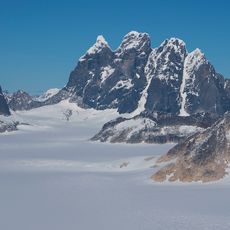
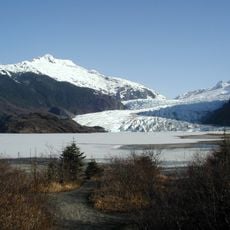
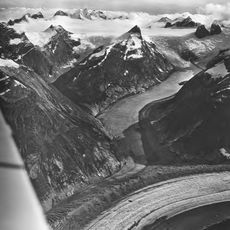
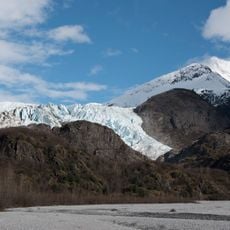
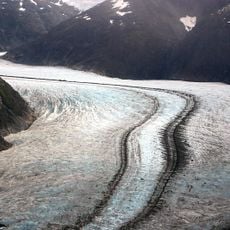
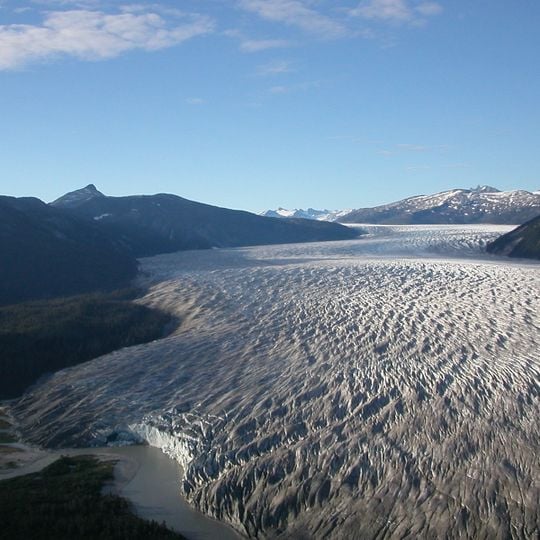
Taku Glacier is a tidewater glacier in Southeast Alaska that flows 58 kilometers from the Juneau Icefield through Tongass National Forest. The ice extends to depths of around 1,477 meters, forming a massive river of ice that shapes the landscape of this remote region.
The glacier was named Schultze Glacier in 1883, then renamed Foster Glacier in 1890, before finally receiving its name from the local Tlingit people. These name changes reflect how western explorers mapped and understood the region over time.
The glacier is known in the Tlingit language as T'aaḵú Ḵwáan Sít'i and holds deep meaning for the Taku River Tlingit people who have lived in this region for generations. Its name and connection to the land show how glaciers have shaped the identity and way of life of the indigenous communities here.
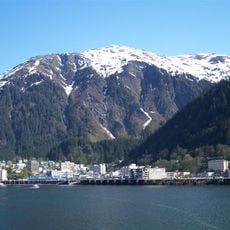
The best way to see this glacier is by boat from Juneau, where you can get close to its ice walls and crevassed surface. Access depends on weather conditions, so plan for variable conditions and come prepared for changing circumstances.
Among the roughly 20 major glaciers in the Juneau Icefield, Taku was unusual because it continued advancing until 2019 while others were retreating. This rare persistence made it a compelling subject for researchers studying climate trends in the region.
The community of curious travelers
AroundUs brings together thousands of curated places, local tips, and hidden gems, enriched daily by 91,272 contributors worldwide.