Alaska, U.S. state in North America, United States.
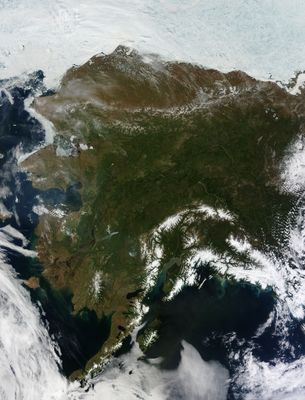
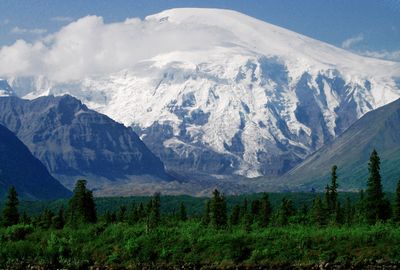
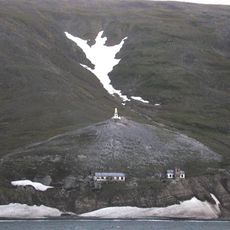
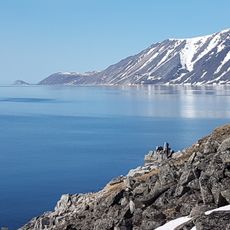
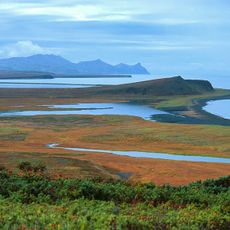
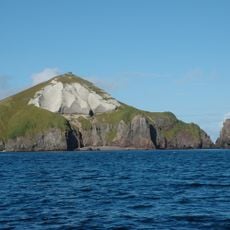
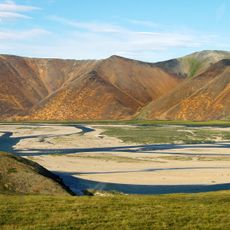
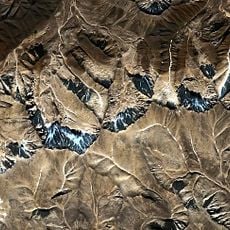
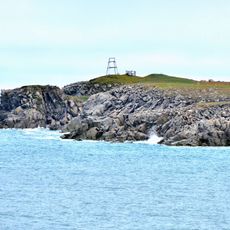
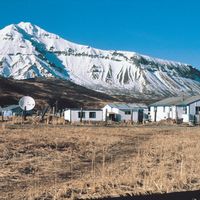
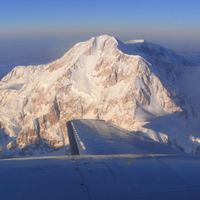
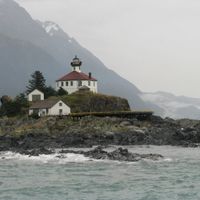
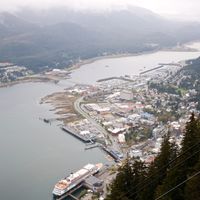
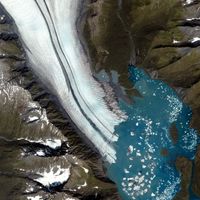
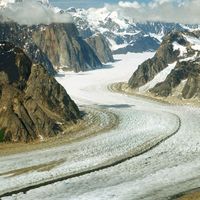
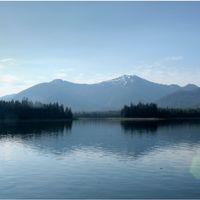
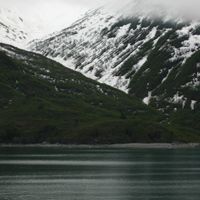
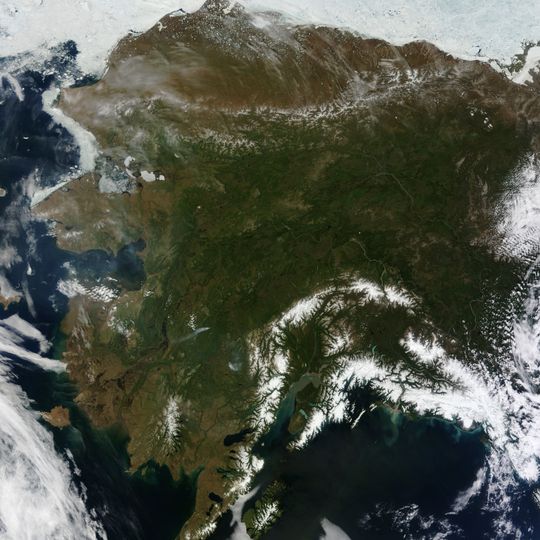
This territory spans 1.7 million square kilometers (665,000 square miles) and encompasses more coastline than all other states, volcanic mountain ranges, vast tundra plains, temperate rainforests in the southeast, and thousands of islands along the Pacific coast and Bering Strait.
Russian traders established coastal settlements during the 18th century before William Seward purchased the territory in 1867 for 7.2 million dollars. The region remained separate from the continental United States until achieving statehood in 1959, experiencing rapid population growth during the late 19th-century gold rush.
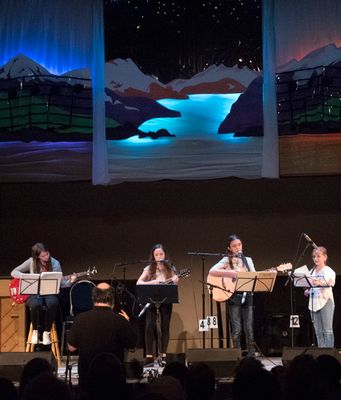
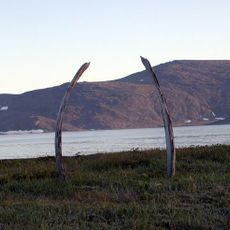
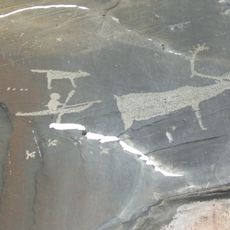
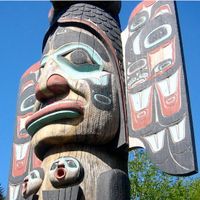
Indigenous communities including the Inupiat, Yupik and Aleut have inhabited this region for thousands of years, preserving traditional languages, artistic practices and methods of living in extreme climates that continue shaping local identity today.
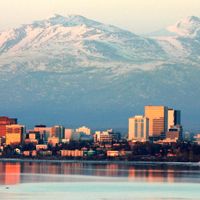
The Alaska Marine Highway System connects coastal communities through regular ferry services, while international airports in Anchorage and Fairbanks provide year-round access. Summer months from June through August represent peak travel season with longest daylight hours and most accessible roads, whereas winter brings extreme cold and limited road connections.
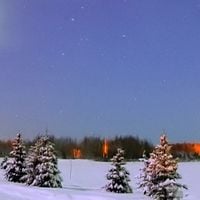
North of the Arctic Circle, locations like Barrow experience 82 consecutive days without sunset during summer, while the winter sun remains below the horizon for two months, requiring extreme adaptations in daily life for residents.
The community of curious travelers
AroundUs brings together thousands of curated places, local tips, and hidden gems, enriched daily by 91,433 contributors worldwide.