Juneau, State capital in Southeast Alaska, United States
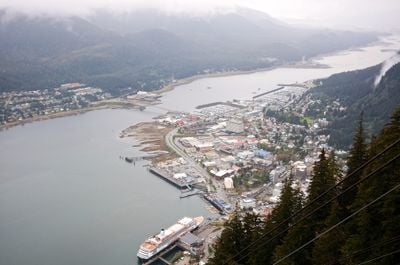
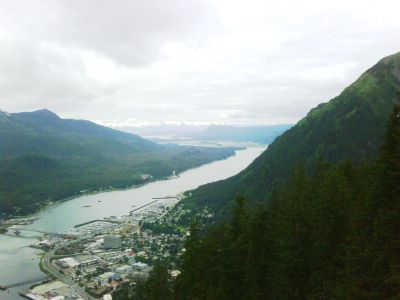
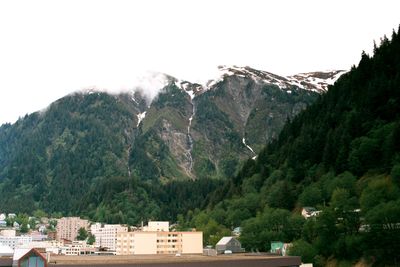
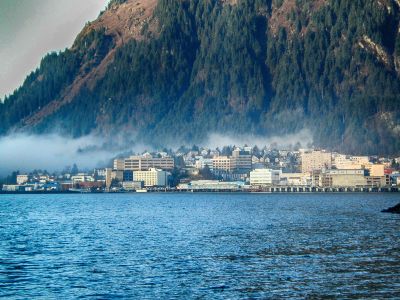
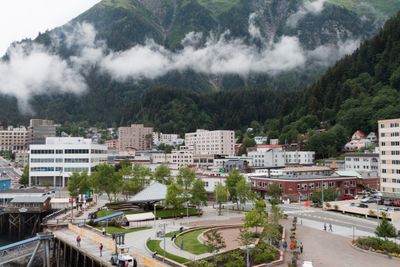
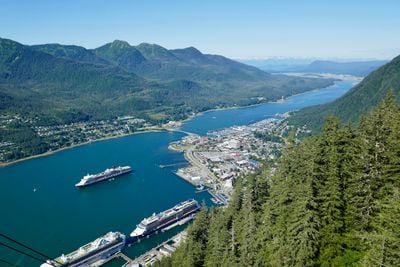
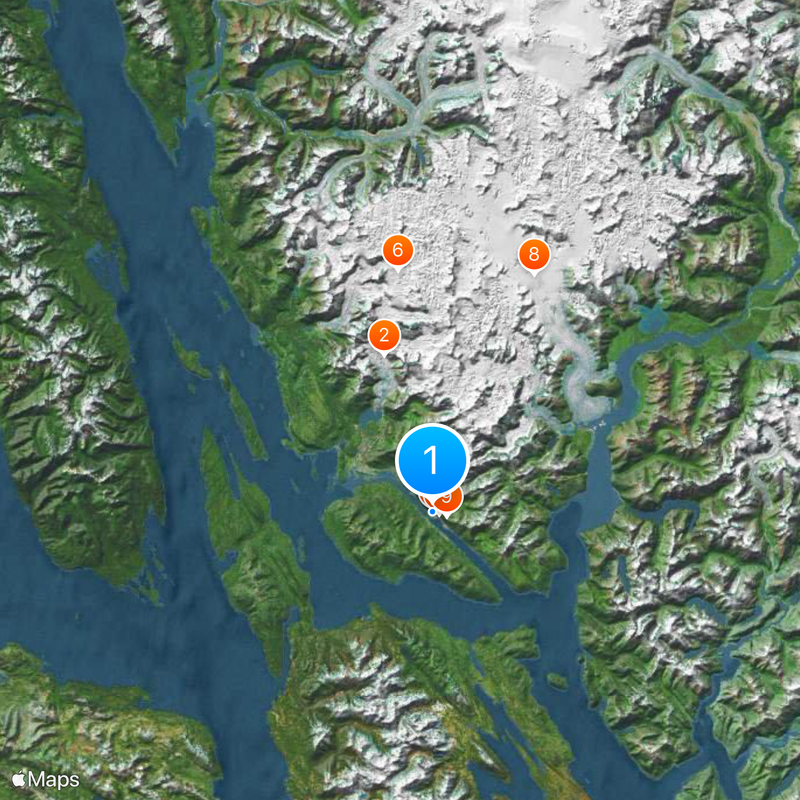
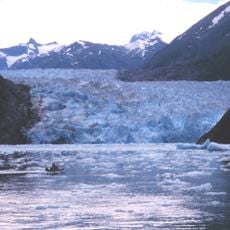
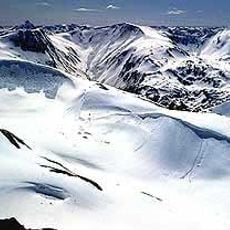
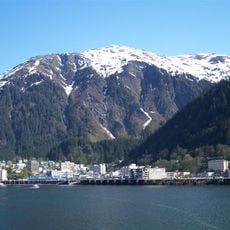
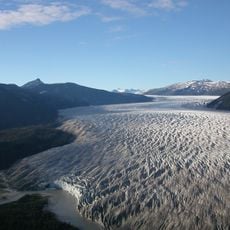
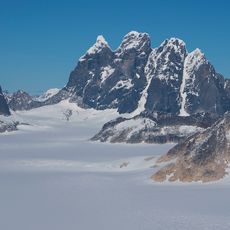
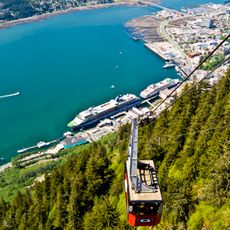
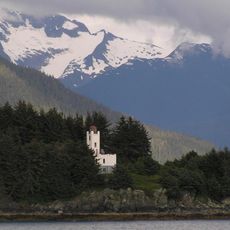
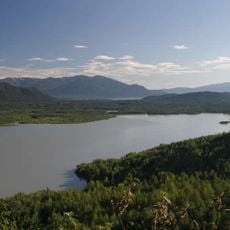
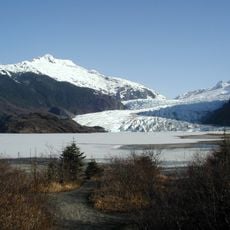
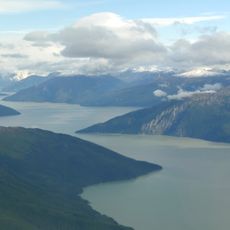
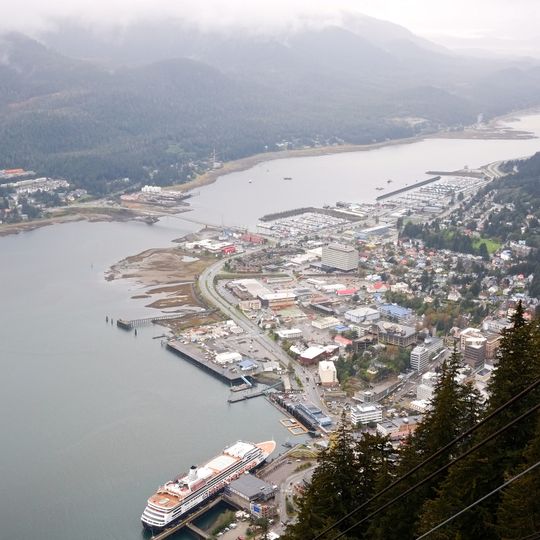
Juneau, the capital of Alaska, sits along the Gastineau Channel in the southeastern part of the state, surrounded by forested mountains that rise over 4000 feet (1200 meters). Above the town, the Juneau Icefield stretches far inland, feeding more than 30 glaciers that flow down into the valleys and shape the landscape.
Two prospectors, Richard Harris and Joe Juneau, discovered gold here in 1881, turning the fishing grounds used by the Tlingit people into a mining camp. When Alaska became a state in 1959, the town took over the role of capital from Sitka.
Locals blend Tlingit heritage with the legacy of gold rush settlers, visible in public gatherings, art galleries, and open-air markets. During spring, musicians and dancers from across Alaska gather here to perform traditional and contemporary pieces together, keeping cultural roots alive and accessible to everyone.
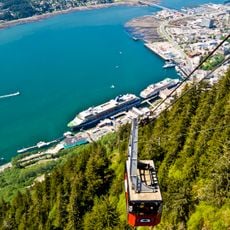
Travelers reach the town only by plane or boat, as no road connects it to other places in Alaska. Hiking trails and boat trips depend heavily on weather, so having flexible plans and bringing warm clothing for changing conditions is helpful.
The consolidated municipality covers more than 3200 square miles (8400 square kilometers), making it the second-largest city by area in the United States. Despite this size, nearly all residents live near the waterfront, while most of the territory remains roadless wilderness.
The community of curious travelers
AroundUs brings together thousands of curated places, local tips, and hidden gems, enriched daily by 90,832 contributors worldwide.