Seneca Village, 19th-century settlement in Central Park, United States
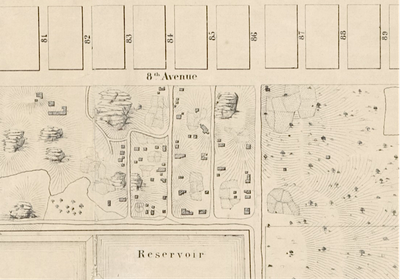
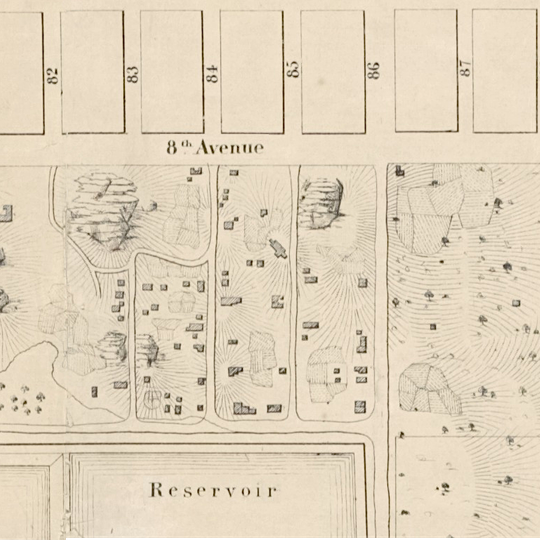
Seneca Village was a settlement in Manhattan spanning from West 82nd Street to West 89th Street, containing about fifty homes, three churches, and a school. Residents cultivated gardens and kept livestock on their properties while drawing water from a nearby spring.
The settlement was established in 1825 and grew to support around 225 residents, with African Americans making up two-thirds of the population. Irish immigrants comprised most of the remaining residents, creating a diverse community.
The settlement was home to two churches where residents gathered for worship and community life, serving as focal points for social connection and spiritual practice among the diverse population.
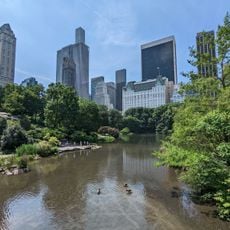
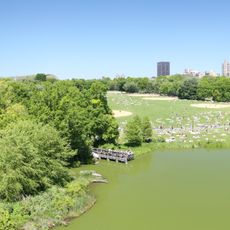
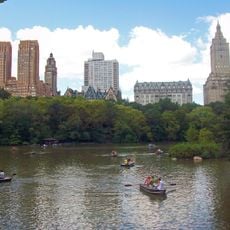
The site now lies beneath the central section of Central Park and cannot be visited directly. However, markers and exhibits throughout the park help tell the story of what once stood there.
Some residents owned property, which granted them voting rights during this era, making it an uncommon place for African Americans to hold such political power. This status set them apart from most Black New Yorkers of the time.
The community of curious travelers
AroundUs brings together thousands of curated places, local tips, and hidden gems, enriched daily by 91,300 contributors worldwide.