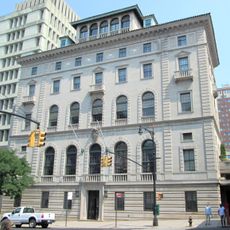
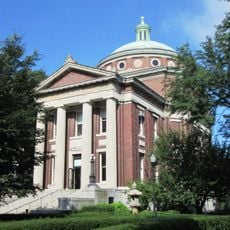
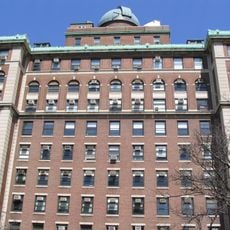
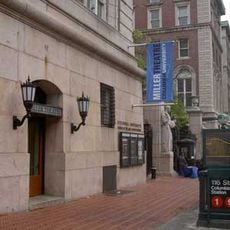
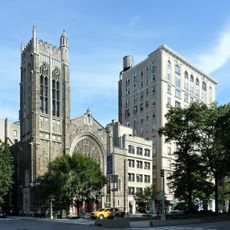
Bloomingdale Insane Asylum, the first mental health facility to open in New York state in 1821
The Bloomingdale Insane Asylum was a hospital built in the early 1800s on farmland in Manhattan, featuring multiple buildings arranged around gardens, pathways, and greenhouses. The original brownstone structure could hold about 200 patients and was one of the first facilities in New York State designed specifically for mentally ill patients.
The asylum was founded in 1821 and was one of the first specialized hospitals for mentally ill patients in New York State, implementing reform ideas based on respectful treatment and dignity. As the city grew and patient numbers increased, the facility expanded, but eventually relocated to White Plains in the early 1900s, leaving the Manhattan site to be transformed as the city developed.
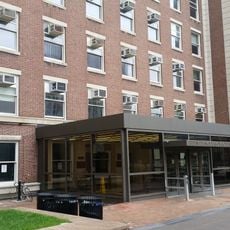
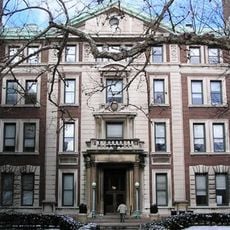
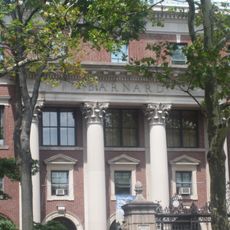
The name 'Bloomingdale' comes from the Dutch 'Bloemendaal', meaning 'valley of flowers', reflecting the site's original green and peaceful character. The few remaining buildings like Buell Hall, formerly Macy Villa, show how wealthy patients once lived in comfortable home-like settings separated from older hospital wards.
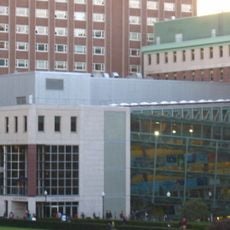
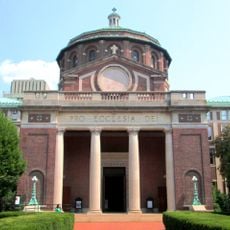
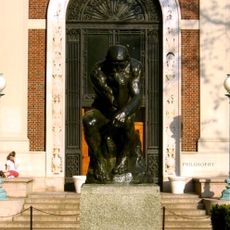
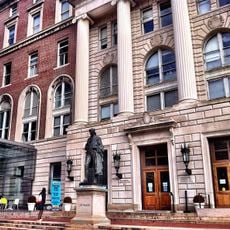
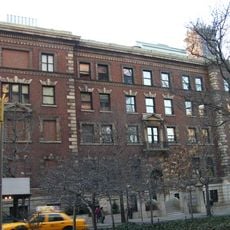
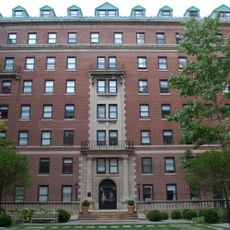
The site is now part of Columbia University's campus, so access is limited to publicly accessible areas. Visitors can view Buell Hall and the few surviving structures from the street and learn more about the history through campus tours or local historical resources.
Beneath Columbia University's campus runs a tunnel system that partly originates from the old asylum complex and still connects various buildings today. Buell Hall, the sole surviving original structure, was spared demolition after its 1885 completion only by chance, as it was originally meant to be torn down.
The community of curious travelers
AroundUs brings together thousands of curated places, local tips, and hidden gems, enriched daily by 90,919 contributors worldwide.