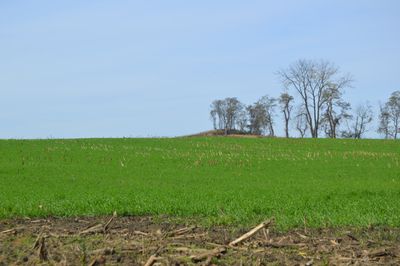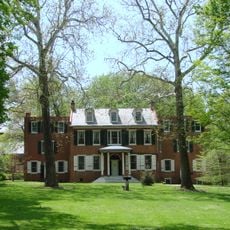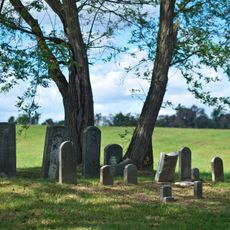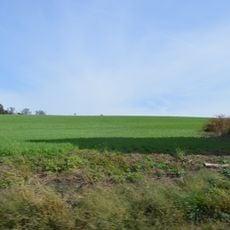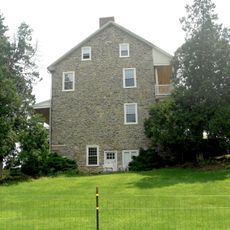
Conestoga Town, Native American archaeological site in Lancaster County, Pennsylvania.
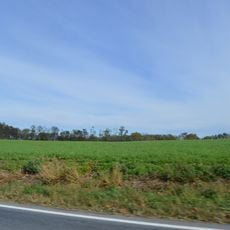
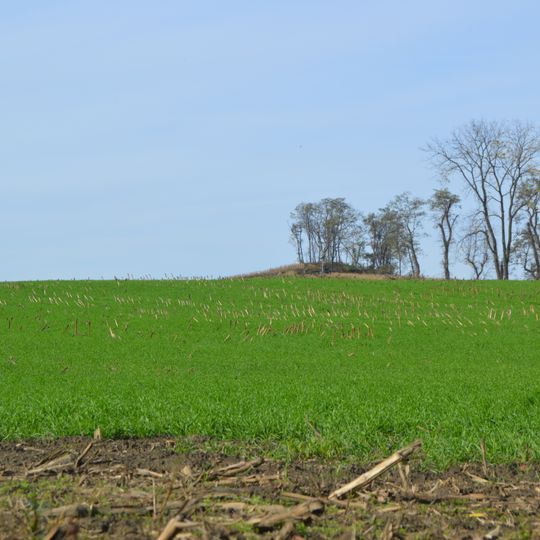
Conestoga Town is an archaeological site spanning multiple acres along the Susquehanna River in Pennsylvania, where remains of wooden structures and burial areas from earlier inhabitants are scattered across the land. The location contains scattered evidence that provides clues about daily work, crafts, and the social organization of the people who once lived here.
The settlement emerged in the late 1600s and functioned as a home for about 3 decades before declining in the 1720s. William Penn visited this place during his dealings with the resident peoples, marking its importance in the colonial story of the region.
The settlement served as a meeting place where different peoples came together, shaped by its location near a major river where residents built their lives around water and seasonal rhythms. Artifacts found here reveal daily activities and show how closely connected the inhabitants were to the natural world around them.
The site requires sturdy footwear and care when walking, as the ground can be uneven and vegetation covers much of the terrain. It helps to learn about archaeological features beforehand so you can better understand what you are seeing during your visit.
The site represents the last known surviving settlement of the Susquehannock in Pennsylvania, preserving rare testimony of their presence during that period. This makes it an uncommon window into the final stage of this people's history in the region.
The community of curious travelers
AroundUs brings together thousands of curated places, local tips, and hidden gems, enriched daily by 92,301 contributors worldwide.