Bahoutdin Architectural Complex, Religious architectural complex near Bukhara, Uzbekistan
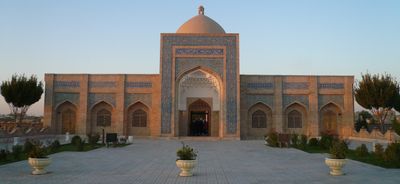
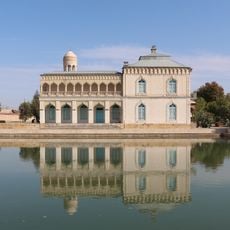
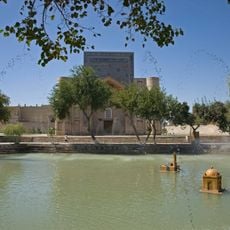
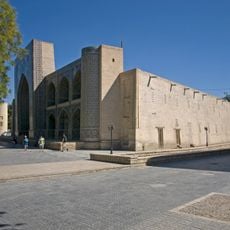
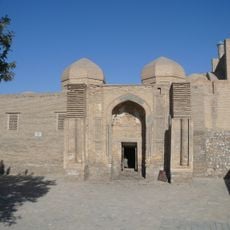
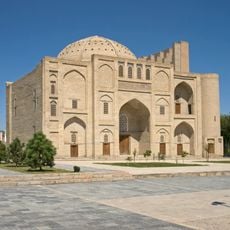
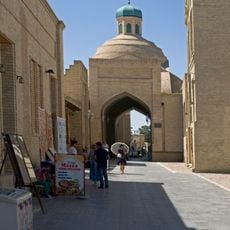
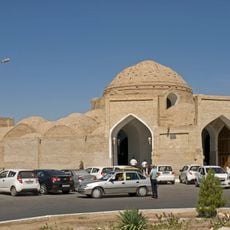
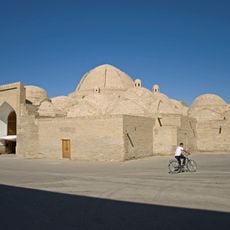
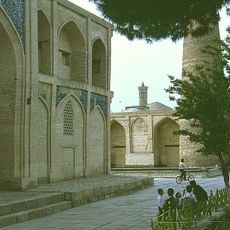
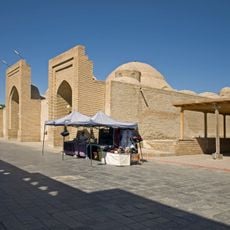
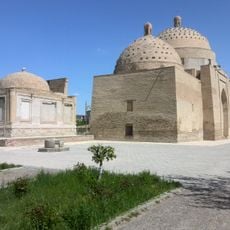
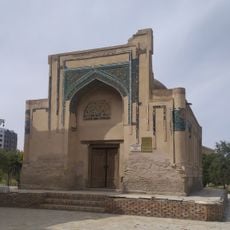
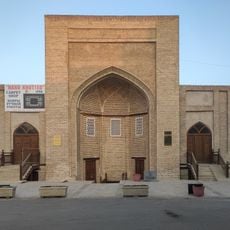
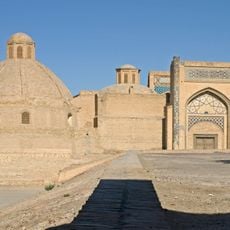
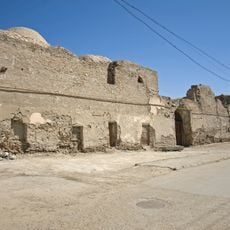
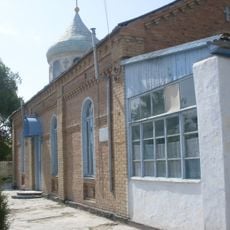
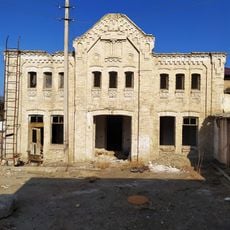
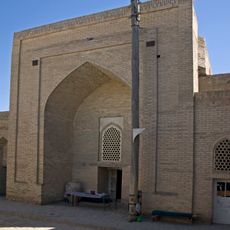
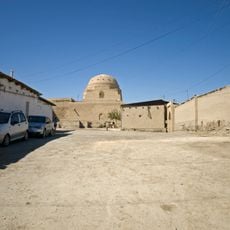
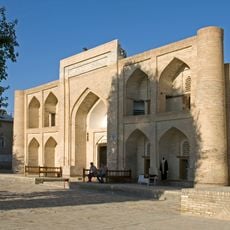
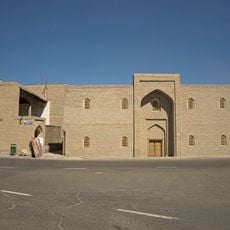
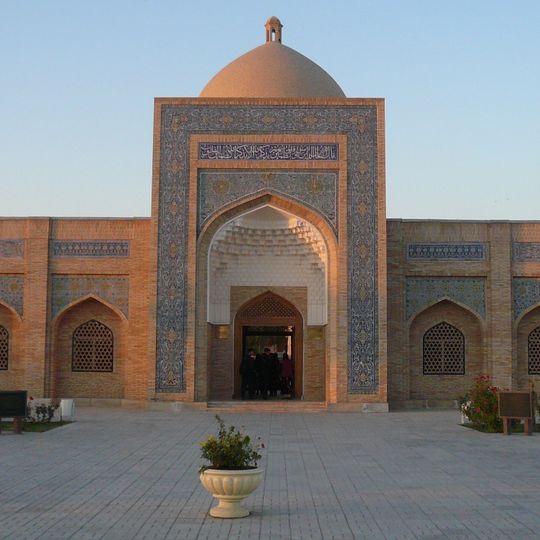
The Bahoutdin Architectural Complex is a religious site near Bukhara composed of several structures: a mausoleum, mosques, a khanqah, and a quadrangular pavilion featuring minaret-shaped turrets and small domes. The arrangement combines different building types into a cohesive spiritual space.
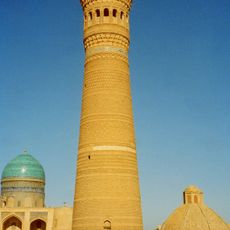
The site emerged after the death of Bahauddin Naqshband in 1389, when the main mausoleum was built to honor this influential founder of the Naqshbandi Sufi order. The minaret was later expanded in 1885, documenting the place's continuing importance across centuries.
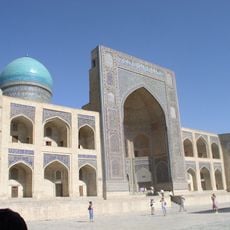
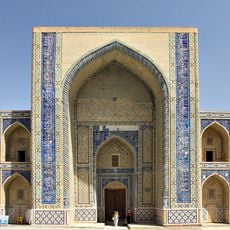
The complex displays Central Asian Islamic craftsmanship through carved gravestones, ornate inscriptions, and architectural details that remain visible today. The decorative style and layout of the spaces reflect the spiritual importance this place holds for followers of the Naqshbandi order.
The complex lies roughly 10 kilometers northeast of central Bukhara and is accessible for visitors who want to explore the different areas at a leisurely pace. A Sufi museum and research center on-site provide additional information about the place's history and significance.
The khanqah cells contain poetry inscriptions written in Nasta'liq script, a classical Persian writing style known for its flowing elegance. These poetic texts offer insight into the spiritual tradition of the place that continues to resonate today.
The community of curious travelers
AroundUs brings together thousands of curated places, local tips, and hidden gems, enriched daily by 91,133 contributors worldwide.