Nueva Cádiz, human settlement
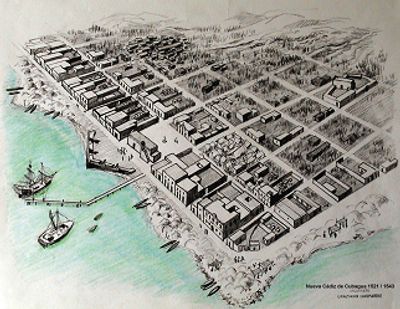
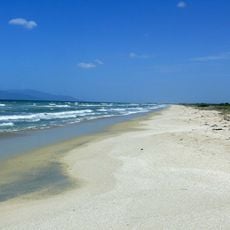
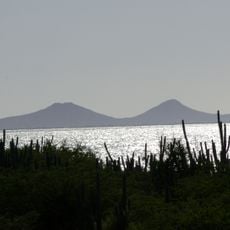
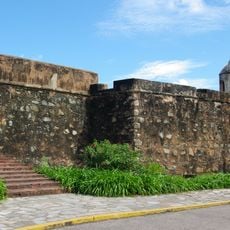
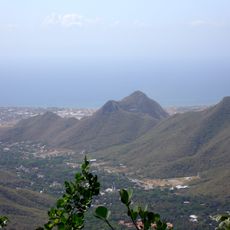
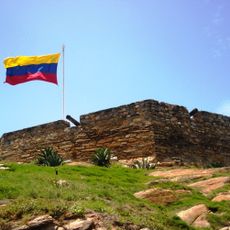
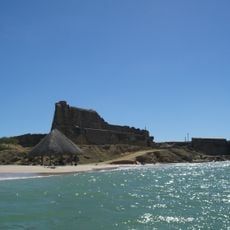
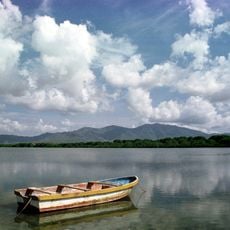
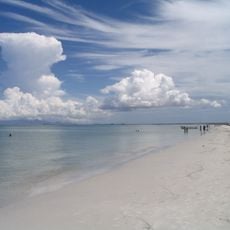
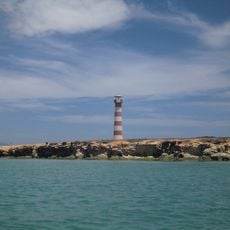
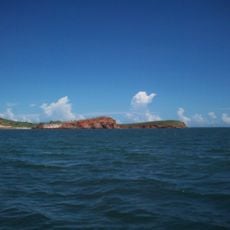
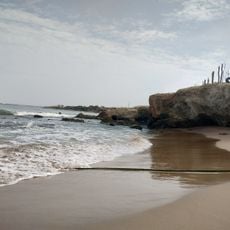
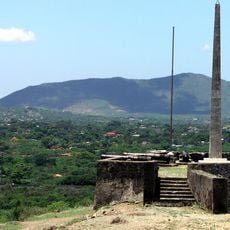
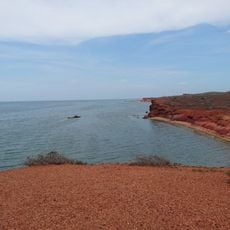
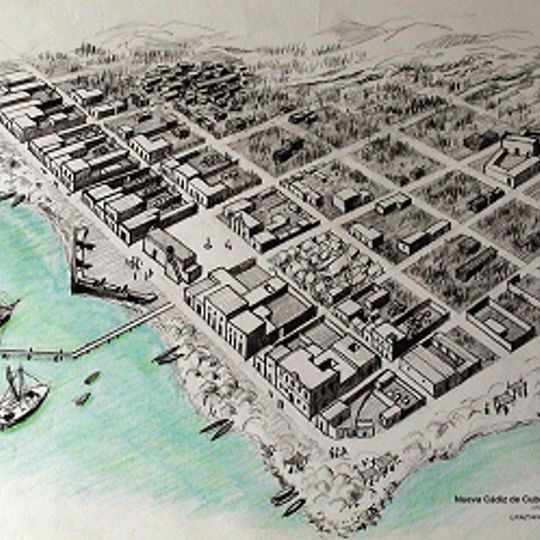
Nueva Cádiz is a settlement ruin on the island of Cubagua off Venezuela's northern coast, developed as a Spanish city starting in 1528. It consists of stone walls, foundations, and street layouts that lie between rocky hills and flat shores, still revealing the former urban structure.
The city was founded in 1528 and served as a center for pearl trade, quickly gaining importance to the Spanish crown. However, pearl depletion, water scarcity, and hurricanes from the 1530s onward led to steady decline, until the last residents abandoned the island around 1545.
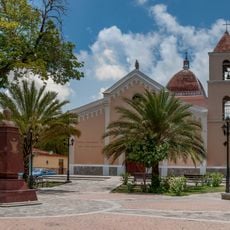
Nueva Cádiz was once the first major Spanish trading center in the region and shaped early colonial society. The ruins still show traces of a city built according to Spanish ideas and bringing together people of different backgrounds.
The ruins are scattered across flat terrain and reachable on foot; sturdy footwear is recommended as the ground is rocky and uneven. Visitors should bring water and sun protection, as the island offers little shade and heat builds up on hot days.
Mysterious stone formations and columns lie beneath the water off the coast, their origin unclear; some suggest they were built artificially, possibly by early inhabitants as a defense or religious structure. These submerged structures make Nueva Cádiz a place where history is visible both on land and underwater.
The community of curious travelers
AroundUs brings together thousands of curated places, local tips, and hidden gems, enriched daily by 92,483 contributors worldwide.