Insular Region, Administrative region in Venezuela
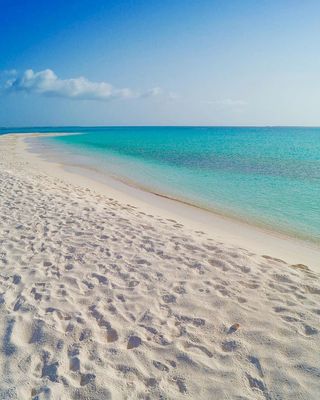
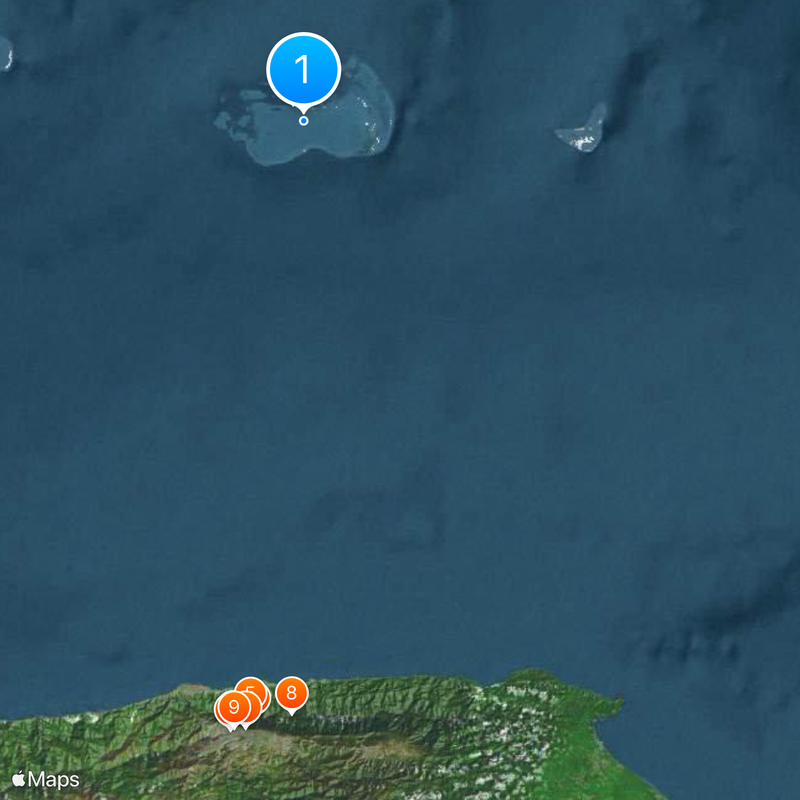
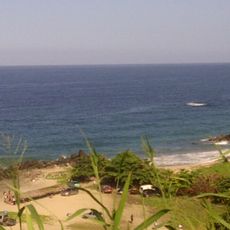
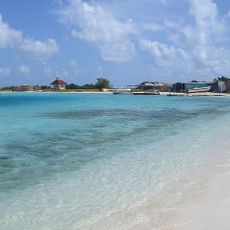
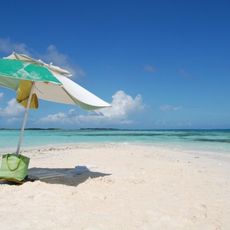
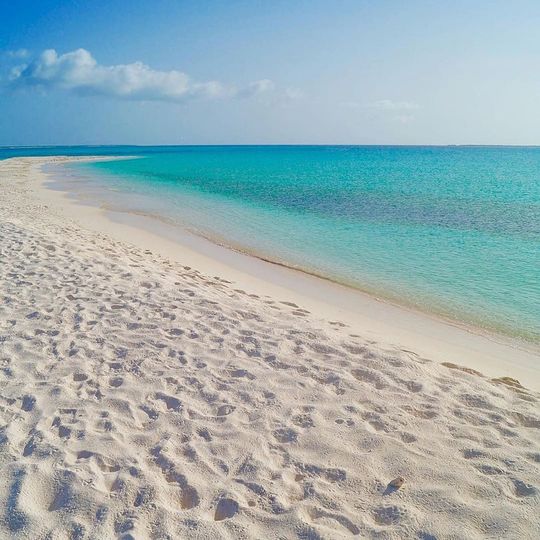
The Insular Region covers several Caribbean islands and territories north of the Venezuelan mainland, including Nueva Esparta state and the Federal Dependencies. These scattered territories stretch across warm Caribbean waters with coral reefs, sandy beaches, and small fishing communities on the inhabited islands.
Christopher Columbus reached Margarita Island on August 15, 1498, during his third voyage, marking the beginning of Spanish presence in this Caribbean territory. Pearl divers from Europe settled on several islands during the 16th century, establishing trade routes that shaped the life of the region for centuries.
The islands preserve a strong heritage of pearl diving, which once shaped the local economy and remains visible today through museums and craft traditions. Waterfront festivals and boat processions honoring local patron saints take place along the coasts, blending faith with maritime life.
Travelers reach the inhabited islands through regular ferries from the mainland or by flights to Santiago Mariño International Airport on Margarita. The islands offer varying conditions: some have basic infrastructure and lodging, while others are accessible only through organized boat trips.
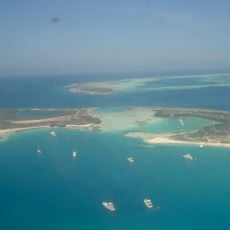
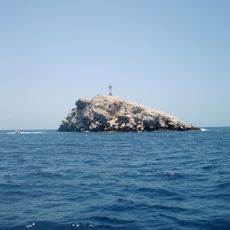
The Los Roques archipelago comprises more than 350 islands, cays, and islets spread across roughly 40 kilometers (25 miles) of Caribbean water. Many of these small landmasses remain uninhabited and serve as nesting grounds for seabirds and sea turtles that return each year to nest.
The community of curious travelers
AroundUs brings together thousands of curated places, local tips, and hidden gems, enriched daily by 92,511 contributors worldwide.