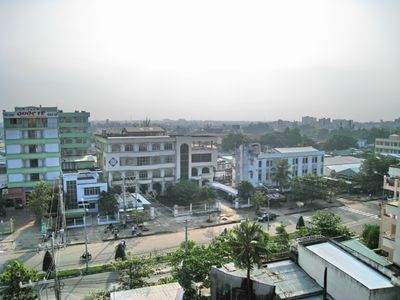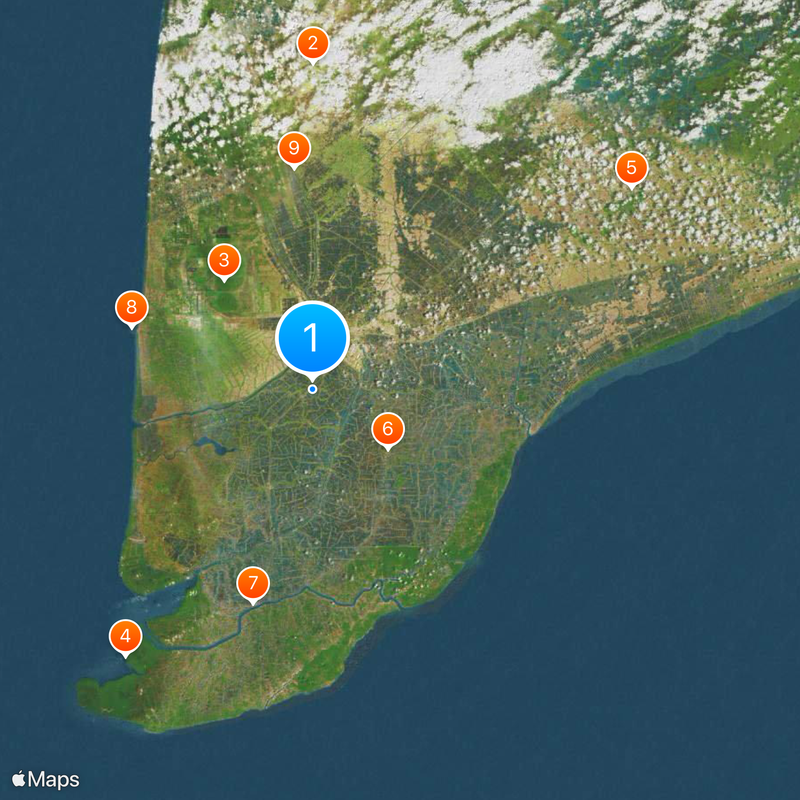
Cà Mau, Administrative province at the southern tip of Vietnam.
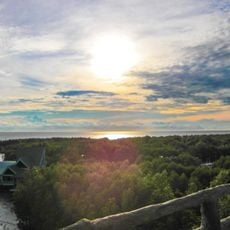
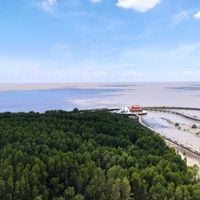
Cà Mau is a province at the southernmost tip of Vietnam, where the Mekong Delta meets the sea on both sides. The landscape consists mostly of flat wetlands with canals, mangrove stands, and rice paddies stretching between the Gulf of Thailand and South China Sea.
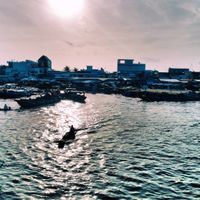
Roads did not reach this remote corner until after the Second World War, so life unfolded on the water for centuries. Fishing boats and canoes served as the only means of transport, until embankments and bridges finally opened up the territory.
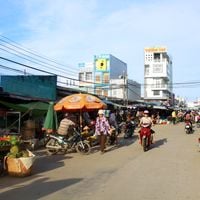
The name translates as "black reed" in Vietnamese, reflecting the dark mangrove roots and peat-rich soil that define this wetland region. Local markets sell dried fish and honey harvested from forest bees, showing how residents still depend on what the delta provides.
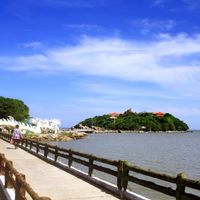
The area lies almost at sea level, so many paths run along embankments and canals. Visitors traveling without a boat should expect narrow walkways and high humidity.
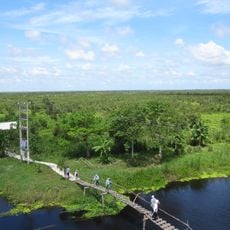
The U Minh biosphere reserve protects one of the last large peat-swamp forests in the region, with trees growing directly out of the water. Beekeepers set up scaffolding there to harvest wild honey without disturbing the colonies.
The community of curious travelers
AroundUs brings together thousands of curated places, local tips, and hidden gems, enriched daily by 90,789 contributors worldwide.