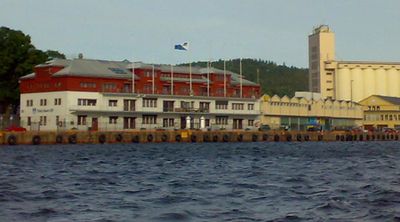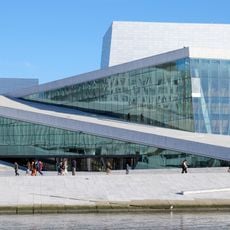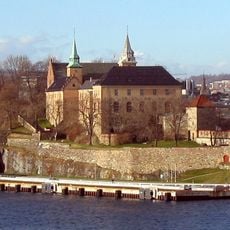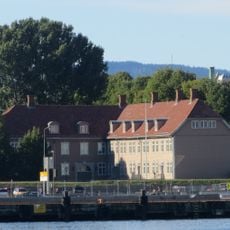
Port of Oslo, Maritime transport facility in Oslo, Norway.
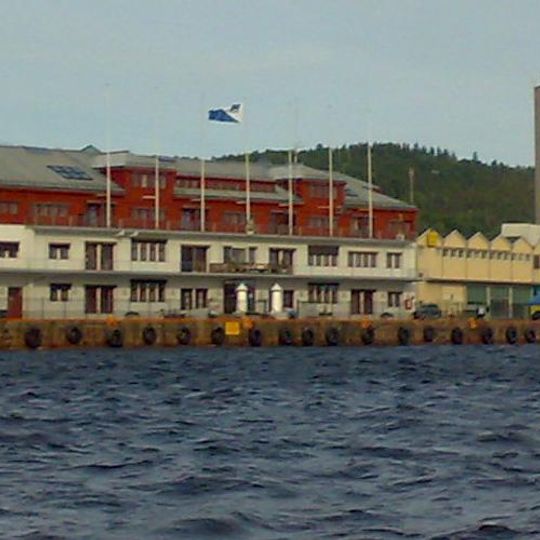
The Port of Oslo is a maritime facility along the Oslofjord with multiple terminals handling container ships, cargo vessels, and cruise ships. The installations extend across different piers and quays, with cranes, storage areas, and processing buildings that define the waterfront.
The port received its royal charter in 1735 and became one of Norway's main trading centers for ships from around the world. Its modern form developed during the industrialization of the 19th and 20th centuries, when updated quays and storage facilities were constructed.
The port's terminals shape Oslo's identity as a working waterfront city, with large vessels and cargo operations visible along the fjord. Visitors can watch ships being loaded and unloaded, and see how the port connects the city to the world through maritime activity.
The port is easily reached on foot or by public transportation from the city center. The two main cruise terminals, Revierkaia and Filipstadkaia, are close together and offer good access to nearby museums, restaurants, and shops.
The port has installed extensive shore power systems for docked ships, allowing them to turn off their engines and reduce emissions. This makes it a leader in transforming maritime operations toward zero-emission practices.
The community of curious travelers
AroundUs brings together thousands of curated places, local tips, and hidden gems, enriched daily by 91,727 contributors worldwide.