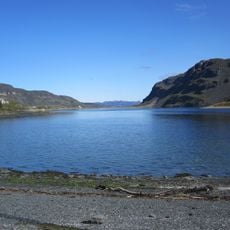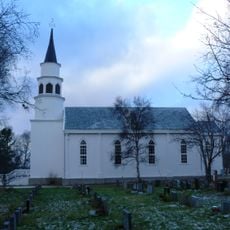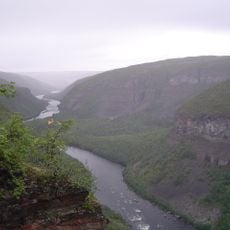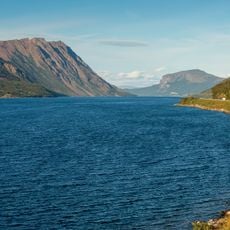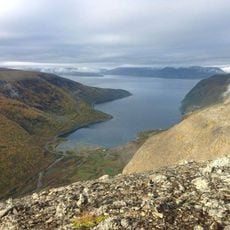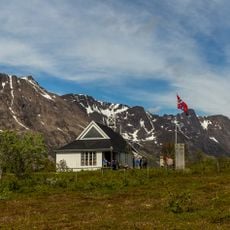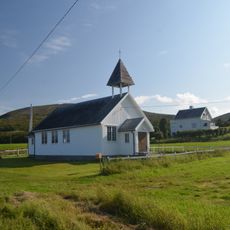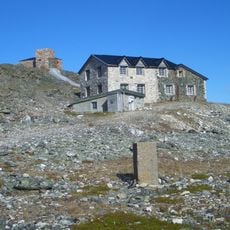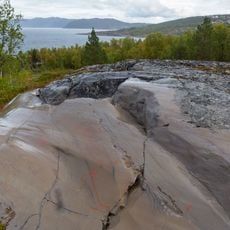
Jiepmaluokta, UNESCO World Heritage Site bay in Alta, Norway
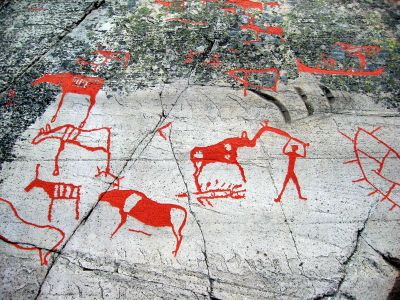
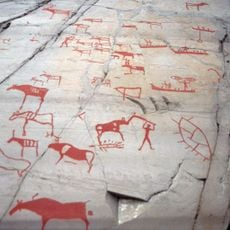
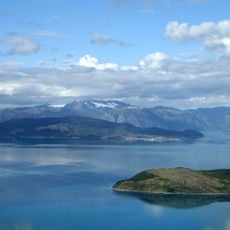
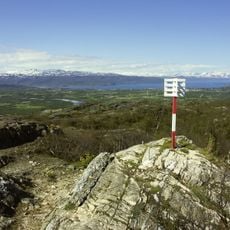
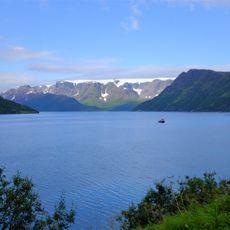
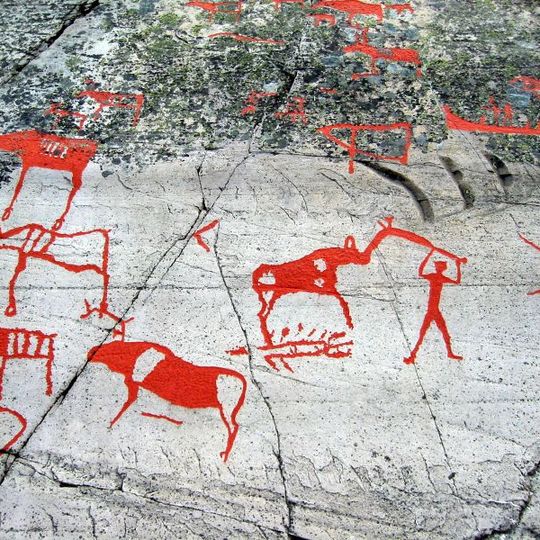
Jiepmaluokta is a bay with over 3,000 individual rock carvings scattered across the natural stone surfaces near the entrance of Altafjorden. The engravings vary in size and subject, creating a complex visual record etched into the coastal landscape.
Archaeological discoveries in 1973 revealed thousands of petroglyphs at this location, leading to its recognition as a UNESCO World Heritage Site in 1985. The carvings date back to the Stone Age and document a long history of human presence along this coast.
The rock carvings show hunting scenes, animal figures, and daily activities that reveal how prehistoric people in Northern Europe lived by the sea. Visitors can read these ancient images like a visual record of what mattered most to coastal communities.
The site has a museum-style setup with walkways and information panels that guide visitors through the prehistoric rock art. The best time to visit is May through September, when the weather is stable and long daylight hours make exploring more enjoyable.
The name Jiepmaluokta comes from the Northern Sami language and means 'bay of seals', reflecting the rich wildlife of this coastal region. Many visitors overlook the fact that some of the oldest carvings fade in modern weather conditions and become visible only under certain lighting angles.
The community of curious travelers
AroundUs brings together thousands of curated places, local tips, and hidden gems, enriched daily by 90,849 contributors worldwide.