Vila Real de Santo António, Port city in eastern Algarve, Portugal
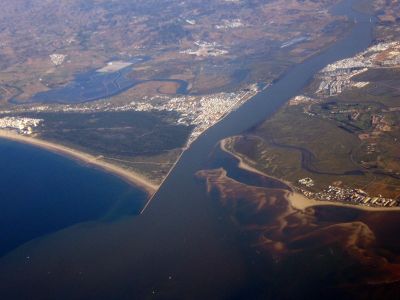
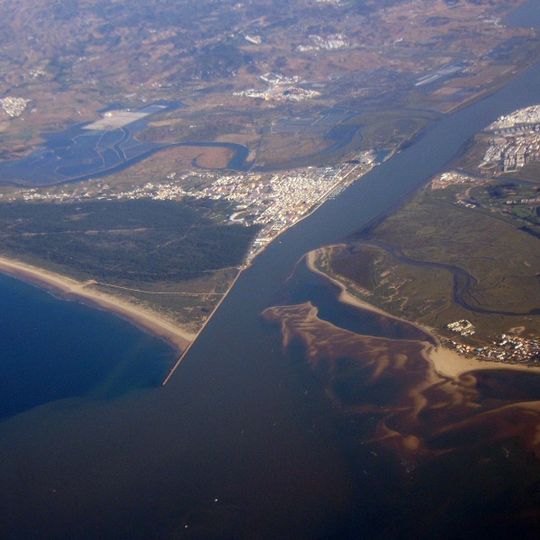
Vila Real de Santo António sits at the mouth of the Guadiana River with straight streets and right-angled corners arranged in a geometric grid pattern. This systematic layout defines the center and makes the city immediately recognizable.
Founded in 1774 by royal decree of King José I, the city emerged as a strategic outpost to control fishing waters and border activities with Spain. The establishment was part of a deliberate expansion of Portuguese influence in this border region.
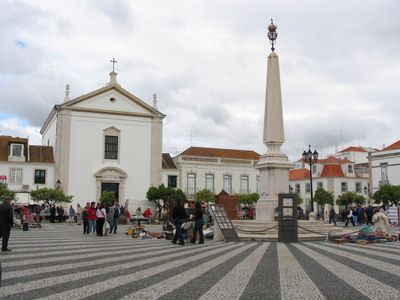
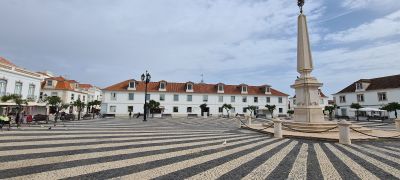
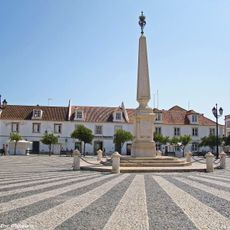
The central Praça Marquês de Pombal displays an obelisk surrounded by whitewashed houses and orange trees, reflecting Portuguese urban design from the 1770s. This layout gives a sense of how people once valued order and elegance in their cities.
The city connects to Spain via a suspension bridge and regular ferry service to Ayamonte, while trains link to larger towns in central Algarve. The center is flat and easy to explore on foot, with clear streets that make orientation straightforward.
The municipality consists of two separate geographical sections, with the eastern part containing the city and the western section forming an exclave within Portugal. This unusual division resulted from historical border agreements.
The community of curious travelers
AroundUs brings together thousands of curated places, local tips, and hidden gems, enriched daily by 60,000 contributors worldwide.