Algarve, Southern subregion in Portugal
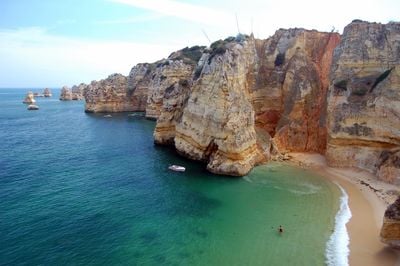
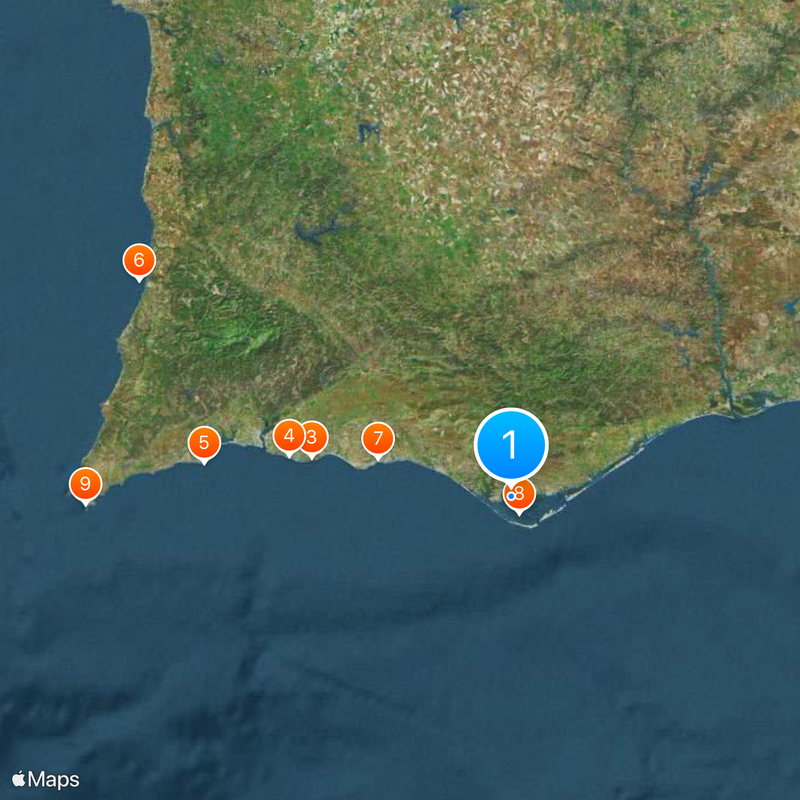
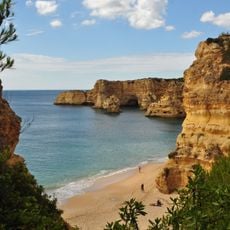
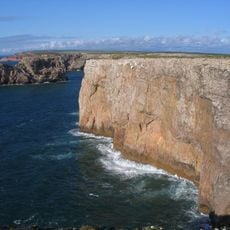
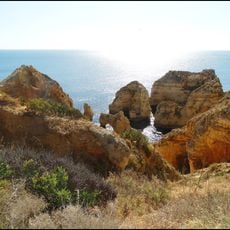
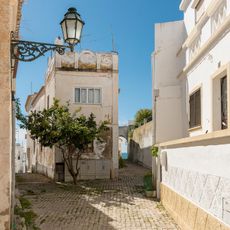
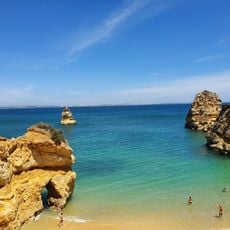
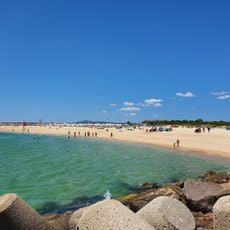
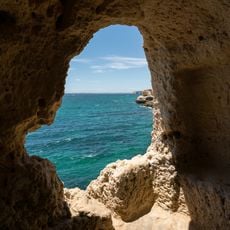
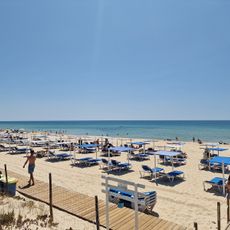
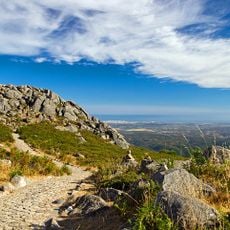
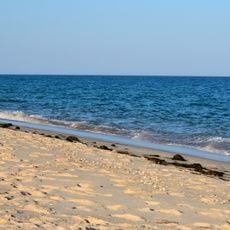
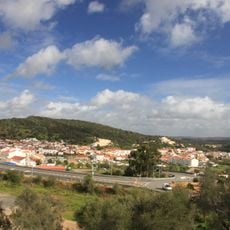
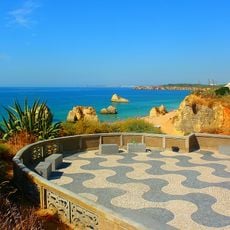
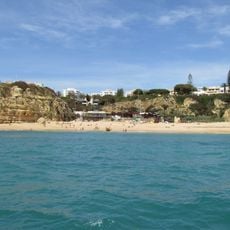
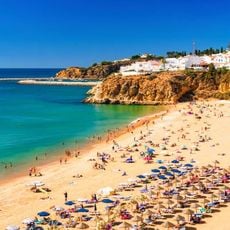
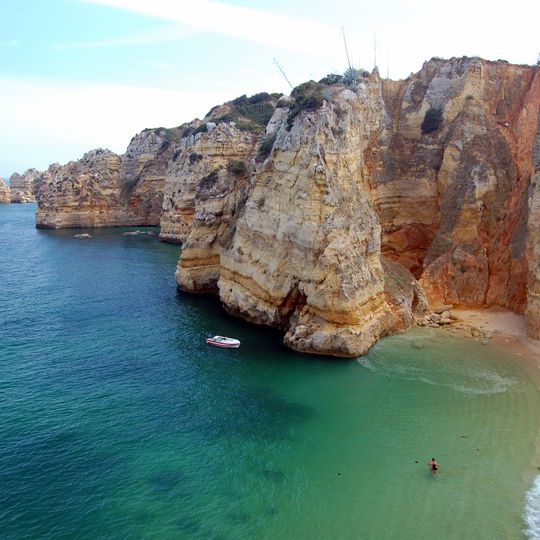
The Algarve stretches along the southern coast of Portugal and includes sandy beaches, cliffs of ochre stone, and many coastal towns between Sagres in the west and Vila Real de Santo António in the east. Inland, the terrain becomes hillier, with fields, cork oak forests, and small white villages clinging to the slopes.
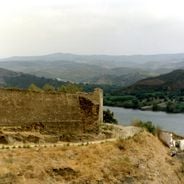
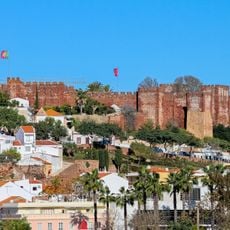
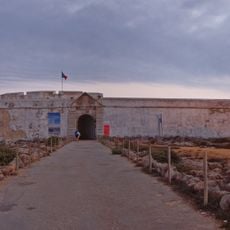
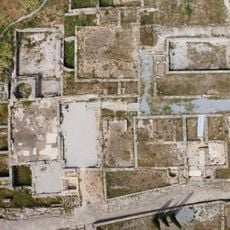
Roman settlements and Moorish fortresses shaped this coastline for centuries before the Christian reconquest in the 13th century brought the region into the kingdom of Portugal. Later, sailors departed from here on the great voyages that mapped the world.
In small inland villages, craftspeople still make painted ceramics in old kilns, while the coastal towns hold fish auctions in the early morning. Festivals with folk dances and local songs take place mainly in summer, when the squares fill with residents and visitors alike.
Trains run along the coast and connect the main towns, while buses serve the inland areas. For reaching remote coves and smaller villages, renting a car is advisable, as public connections there are less frequent.
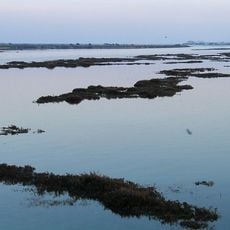
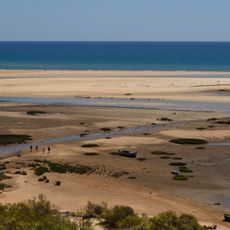
The Ria Formosa forms a chain of islands and shallow waters where flamingos and spoonbills rest during migration seasons. At low tide, you can walk to some of these islands that are otherwise only reachable by boat.
The community of curious travelers
AroundUs brings together thousands of curated places, local tips, and hidden gems, enriched daily by 60,000 contributors worldwide.