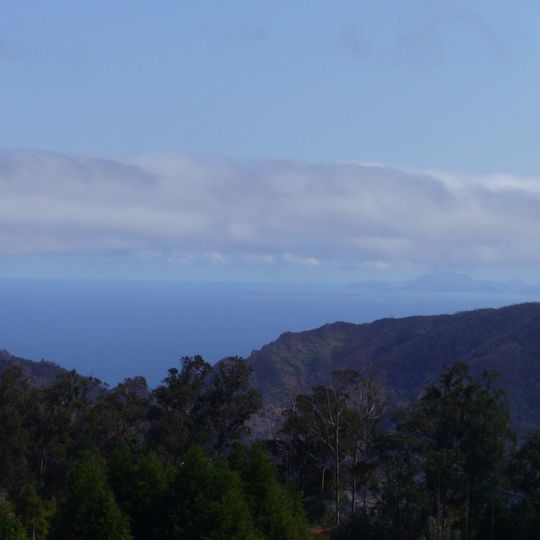
Madeira Archipelago, Volcanic archipelago in North Atlantic Ocean, Portugal
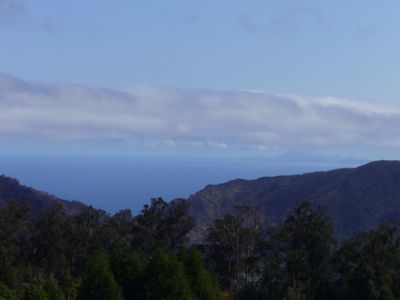
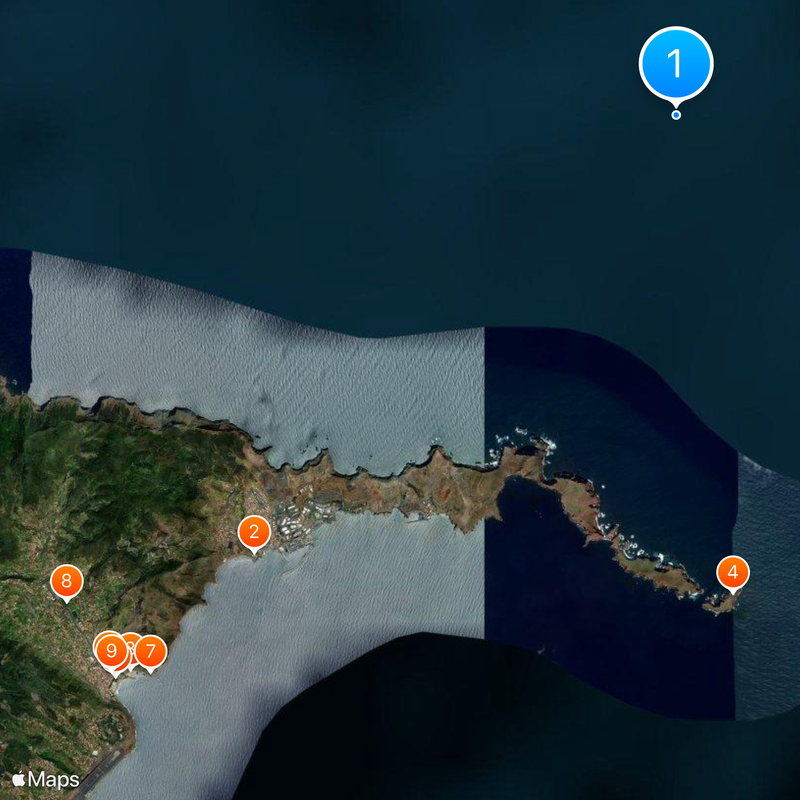
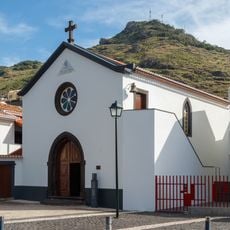
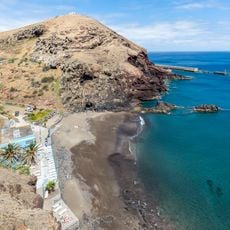
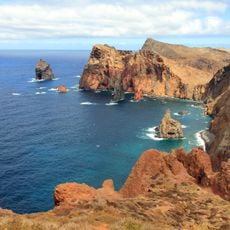
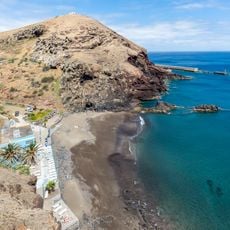
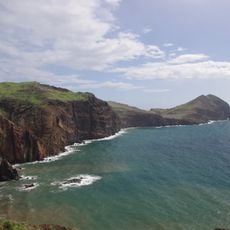
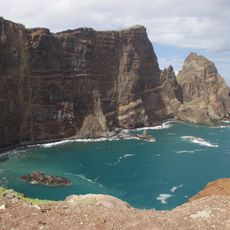
The Madeira Archipelago is an island group in the Atlantic with two inhabited islands, Madeira and Porto Santo, plus uninhabited island groups to the south. The landscape is mountainous with numerous trails and traditional irrigation channels that distribute water across the terrain.
Portuguese sailors discovered the islands in the early 15th century and settlement began around the middle of that century. Sugar cane production quickly became the main economic activity and shaped life on the islands for centuries.
The islands are known for their distinctive wine, made through a specific heating and oxidation process that gives it a unique taste. This beverage represents a craft tradition that visitors can experience in local wine shops and restaurants throughout the islands.
The islands offer many walking routes, including paths along traditional irrigation channels that cut through the mountainous areas. Visitors should bring sturdy footwear and weather protection, as the terrain can be steep and conditions change quickly.
The laurissilva forests are among the largest remaining subtropical rainforests in the Northern Hemisphere and are protected by UNESCO. These ancient woodlands look much like the vegetation that once covered this region millions of years ago.
The community of curious travelers
AroundUs brings together thousands of curated places, local tips, and hidden gems, enriched daily by 92,728 contributors worldwide.