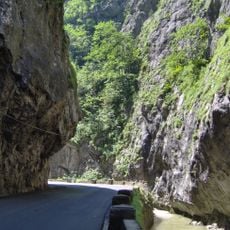
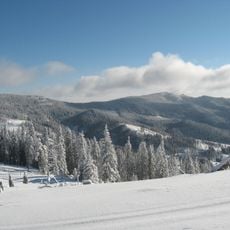
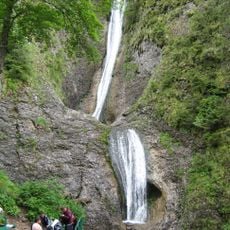
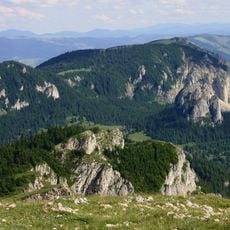
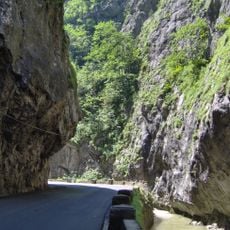
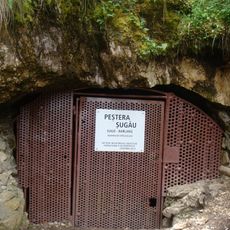
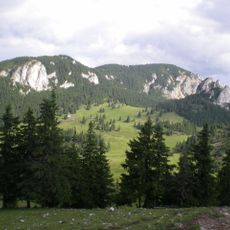
Masivul Hășmașul Mare, Piatra Singuratică - Hășmașul Negru, Nature reserve in Eastern Carpathians, Romania.
The Hășmașul Mare Massif covers a large mountainous area with limestone formations, crystalline schists, and varied geological structures. The complex provides diverse habitats across different elevations within the reserve.
The area received official protection status in 2000 and was designated as a mixed nature reserve under IUCN category classification. This designation marked a turning point for the long-term conservation of this landscape.
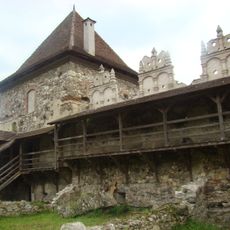
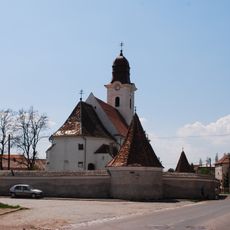
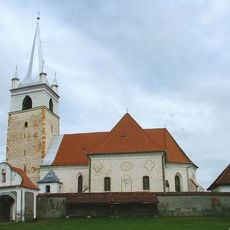
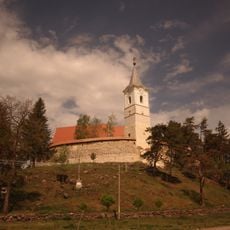
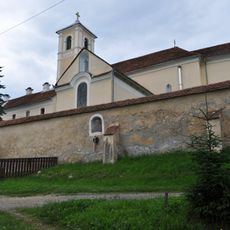
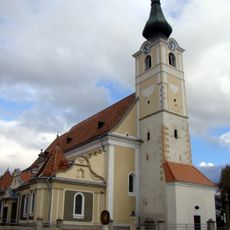
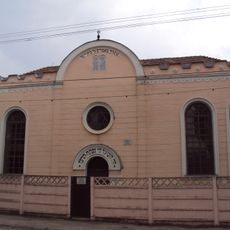
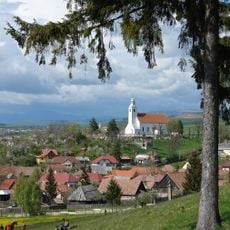
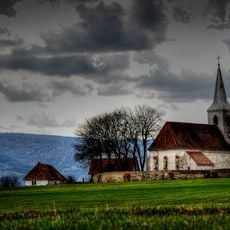
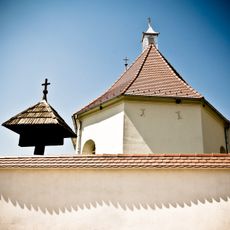
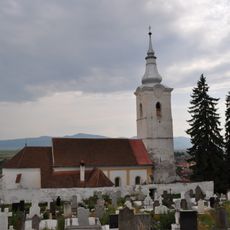
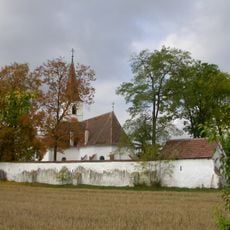
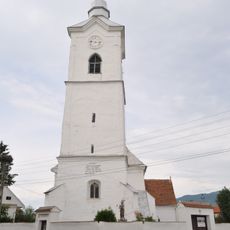
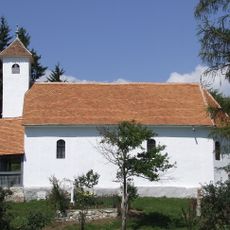
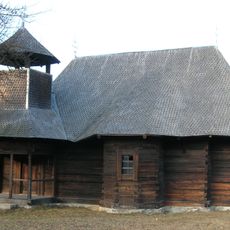
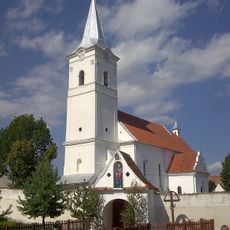
The reserve lies on the administrative territory of Sândominic commune, Harghita County. Nearby Sândominic has a Roman Catholic church of Saint Dominic from the 13th century and a wooden church of Saints Michael and Gabriel built in the 19th century. In Gheorgheni, the Armenian Catholic church of the Nativity of the Mother of God dates from the 17th century, and the baroque Vartan House was built between 1770 and 1787.
Access is via DN12 from Miercurea Ciuc through Ciceu, Racu, Dănești and Sândominic, then county road DJ125 to Bălan; the reserve entrance lies on the right of this road. From Gheorgheni, DN12C leads to DJ125A as far as Covacipeter, then DJ125 to Bălan. Annual precipitation is 750–850 mm, with frequent spring rain and summer downpours; summer highs reach 25 °C and winter lows fall to -25 to -28 °C.
The reserve's name links three separate features: the Hășmașul Mare massif, Piatra Singuratică and Hășmașul Negru. Piatra Singuratică is made of white-mica schist, while Hășmașul Negru consists of microcrystalline rock. The protected area lies within Cheile Bicazului-Hășmaș National Park and is administered from Sândominic commune, Harghita County.
The community of curious travelers
AroundUs brings together thousands of curated places, local tips, and hidden gems, enriched daily by 94,311 contributors worldwide.