Museum of 4 July, Museum of World War II resistance in Belgrade, Serbia
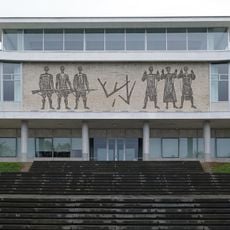
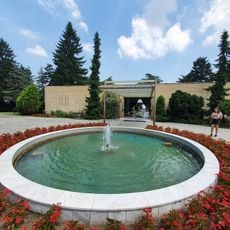
The Museum of 4 July is housed in a three-story building displaying exhibits about partisan movements and resistance efforts during World War II. The collections feature photographs, documents, and objects that illustrate how fighters contributed to the country's liberation.
The building served as a meeting place where members of the Communist Party of Yugoslavia planned uprisings against German occupation. The museum was founded in 1950 to document these events and their role in the country's liberation.
The museum's original name was "5 July", later changed to 4 July, the date in 1941 when the decision to rise against the occupiers was taken. That date became Fighter's Day, a public holiday in socialist Yugoslavia. A memorial plaque marks the house, and Vojin Bakić's sculpture Call of the Uprising stands in front.
The house stands at Bulevar kralja Aleksandra Karađorđevića 10/A, and the museum has been closed to visitors since 2000; the property was returned to the Ribnikar family in April 2003. The memorial plaque and Vojin Bakić's sculpture Call of the Uprising can still be seen from the street in front of the building.
The house was built in 1934 by Vladislav Ribnikar, who had a shelter dug in the back yard before World War II and prepared the building for illegal work. During the first years of the war it hid people living underground, and for a time the Bulletin of the Supreme Headquarters of the NOV and POJ was printed there. A monument titled Call of the Uprising by sculptor Vojin Bakić stands in front of the building.
The community of curious travelers
AroundUs brings together thousands of curated places, local tips, and hidden gems, enriched daily by 93,135 contributors worldwide.